
A striking jet-black stew made from charred spices and herbs, giving it a uniquely smoky, complex flavour that coats tender pieces of fish or beef.
Instructions
-
1
Char the mbongo spice sticks, alligator pepper pods, and country onion directly over an open flame until completely blackened.
-
2
Pound the charred spices in a mortar until they form a fine black powder.
-
3
Rub fish or beef with lime juice and salt. Let marinate 15 minutes.
-
4
Blend onions, garlic, ginger, and scotch bonnet into a paste.
-
5
Heat palm oil in a pot, add the blended paste and fry for 10 minutes.
-
6
Add the black spice powder, stir well, add water, and bring to a simmer.
-
7
Add the fish or beef and cook gently for 30-40 minutes until done. Serve with plantain, rice, or bobolo.
Did You Know?
The dramatic black colour of mbongo tchobi comes entirely from charred spices, not from any artificial colouring — the darker the stew, the more skilled the cook.
The Story Behind Mbongo Tchobi
Mbongo tchobi is a signature dish of the Bassa people from Cameroon's Littoral region. The technique of charring spices to create the black sauce is ancient and unique to this culinary tradition. The dish has gained national fame and is now served in restaurants across Cameroon.
More Cameroonian Dishes
 Easy
📜 Story
Easy
📜 Story
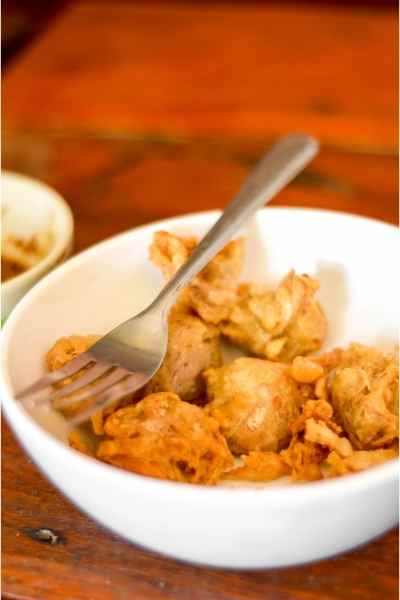
Accra Banana
Banana Fritters
Breakfast, afternoon snack Hard
📜 Story
Hard
📜 Story
Achu Soup
Yellow Soup with Pounded Cocoyam
Sunday lunch, celebrations, cultural festivals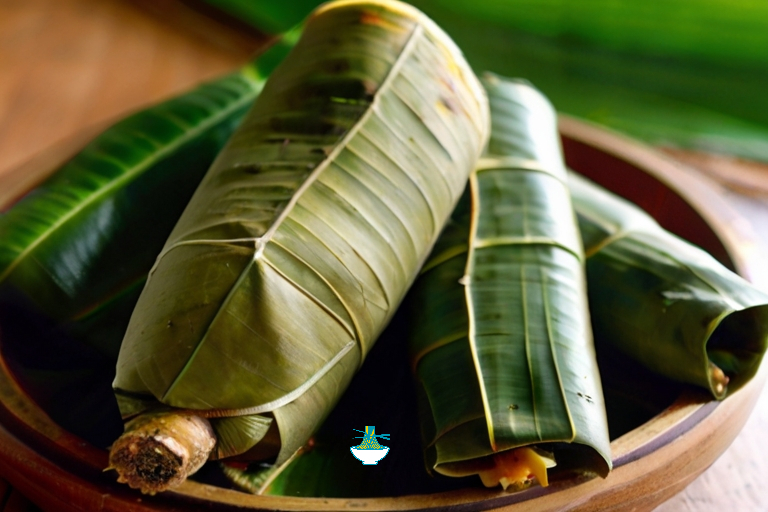 Medium
📜 Story
Medium
📜 Story
Bobolo
Fermented Cassava Sticks
Accompaniment to soups and stews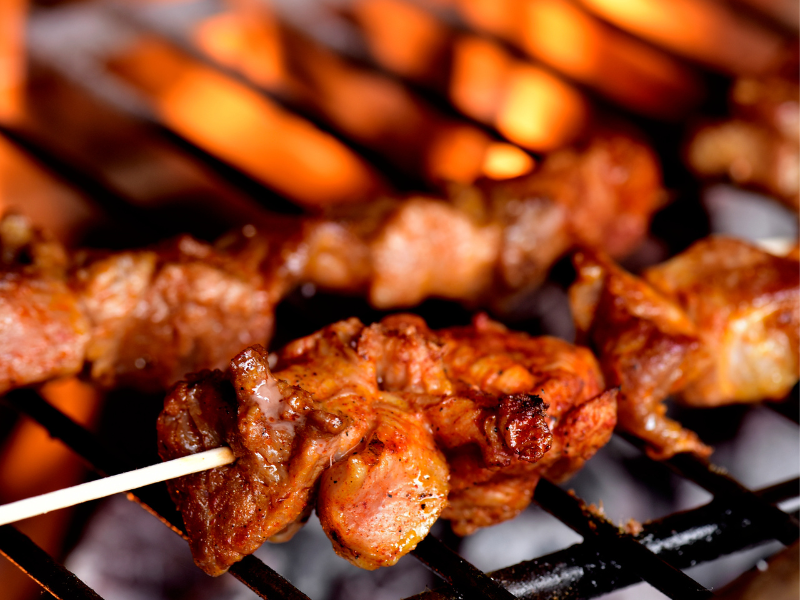 Easy
📜 Story
Easy
📜 Story
Brochettes
Grilled Meat Skewers
Evening street food, parties, bars
Comments (0)
Log in to leave a comment.
No comments yet. Be the first to share your thoughts!