
A vibrant yellow soup made from limestone-filtered palm oil and spices, served over pillowy mounds of pounded cocoyam, a beloved dish from Cameroon's Northwest region.
Nutrition & Info
Equipment Needed
Presentation Guide
Vessel: deep bowl
Garnishes: palm oil drizzle
Accompaniments: pounded cocoyam
Instructions
-
1
Boil peeled cocoyam in salted water until very soft, about 40 minutes. Drain and pound in a mortar until smooth and stretchy.
-
2
Season and boil beef until tender, about 45 minutes. Reserve stock.
-
3
Mix limestone powder with 2 cups warm water, stir and let settle. Carefully pour off the clear liquid into a pot.
-
4
Add palm oil to the limestone water and boil vigorously, stirring constantly, until the mixture turns bright yellow and emulsifies, about 20 minutes.
-
5
Add bouillon cubes, white pepper, salt, cooked beef, and smoked fish. Simmer 10 minutes.
-
6
Serve the yellow soup poured generously over mounds of pounded cocoyam.
Did You Know?
The secret to achu soup's vivid yellow colour is the limestone water (nikkih), which chemically transforms the palm oil into a smooth, golden emulsion.
Chef's Notes
Equipment Tips
- mortar and pestle
- large pot
- sieve
- wooden spoon
Garnishing
palm oil drizzle
Accompaniments
pounded cocoyam
The Story Behind Achu Soup
Achu is the pride of Cameroon's Northwest region, particularly the Ngemba and Bamileke peoples. The technique of using limestone to transform palm oil into the yellow soup is unique to this region and has been practiced for centuries. The dish is central to cultural identity and is mandatory at traditional celebrations.
More Cameroonian Dishes
 Easy
📜 Story
Easy
📜 Story
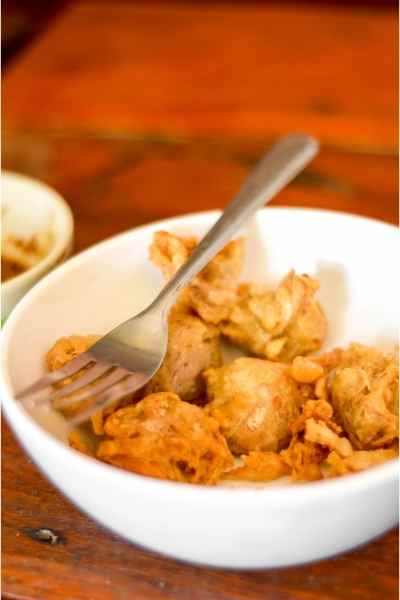
Accra Banana
Banana Fritters
Breakfast, afternoon snack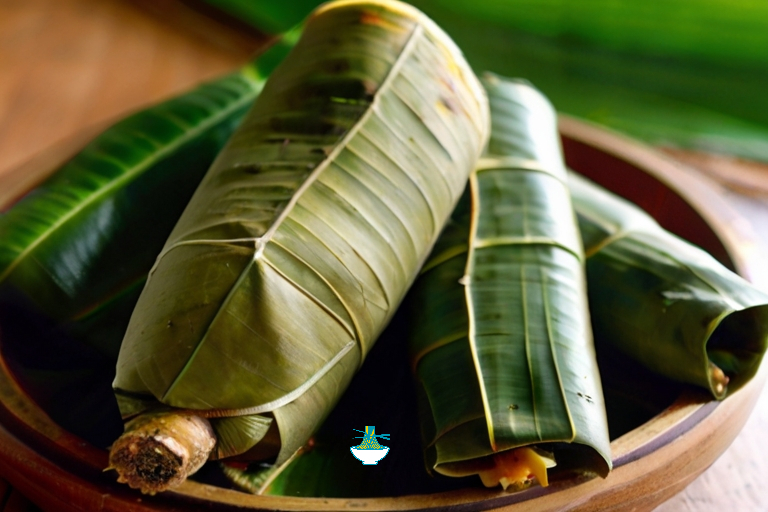 Medium
📜 Story
Medium
📜 Story
Bobolo
Fermented Cassava Sticks
Accompaniment to soups and stews Easy
📜 Story
Easy
📜 Story
Brochettes
Grilled Meat Skewers
Evening street food, parties, bars Medium
📜 Story
Medium
📜 Story
Cameroon Pepper Soup
Spiced Aromatic Broth
Dinner, cold weather, after celebrations
Comments (0)
Log in to leave a comment.
No comments yet. Be the first to share your thoughts!