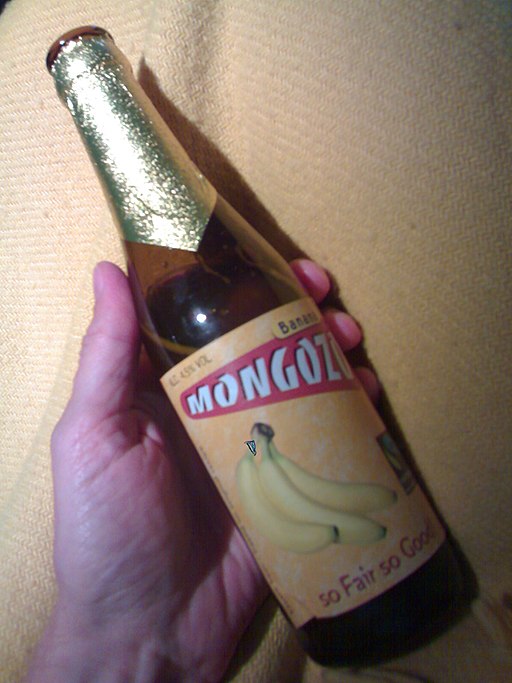
A traditional fermented beverage made from ripe bananas that are mashed, filtered, and left to ferment naturally into a mildly alcoholic drink with a sweet, fruity flavor.
Nutrition & Info
Equipment Needed
Presentation Guide
Vessel: traditional gourd with straws
Garnishes: none traditional
Accompaniments: brochettes, snacks
Instructions
-
1
Select very ripe, almost overripe bananas with heavily spotted skins for maximum sugar content and flavor.
-
2
Peel bananas and place in a large basin. Mash thoroughly by hand or with a wooden pestle until completely pulped.
-
3
Add a small amount of roasted sorghum flour to aid fermentation and mix well into the banana pulp.
-
4
Strain the mixture through dried grass or a cloth filter to extract the juice, squeezing to get all the liquid.
-
5
Pour the filtered juice into a fermentation vessel, cover loosely, and leave at room temperature for three to five days.
-
6
The wine is ready when it bubbles gently and has a pleasantly sour, mildly alcoholic taste. Serve from a communal gourd.
Did You Know?
Urwarwa is traditionally shared from a single large gourd with long straws, symbolizing community and unity among drinkers.
Chef's Notes
Equipment Tips
- large basin
- straining cloth
- fermentation vessel
- gourd for serving
Garnishing
none traditional
Accompaniments
brochettes, snacks
The Story Behind Urwarwa
Banana wine is one of the most culturally significant beverages in Burundi, woven into the fabric of social life, ceremonies, and celebrations. The Great Lakes region is one of the world's major banana-growing areas, and the tradition of fermenting banana juice predates written records. The communal sharing of urwarwa from a single gourd with shared straws represents equality and togetherness, and refusing to drink is considered a social offense. This beverage has survived colonialism and modernization as an enduring symbol of Burundian identity.
More Burundian Dishes
 Medium
📜 Story
Medium
📜 Story
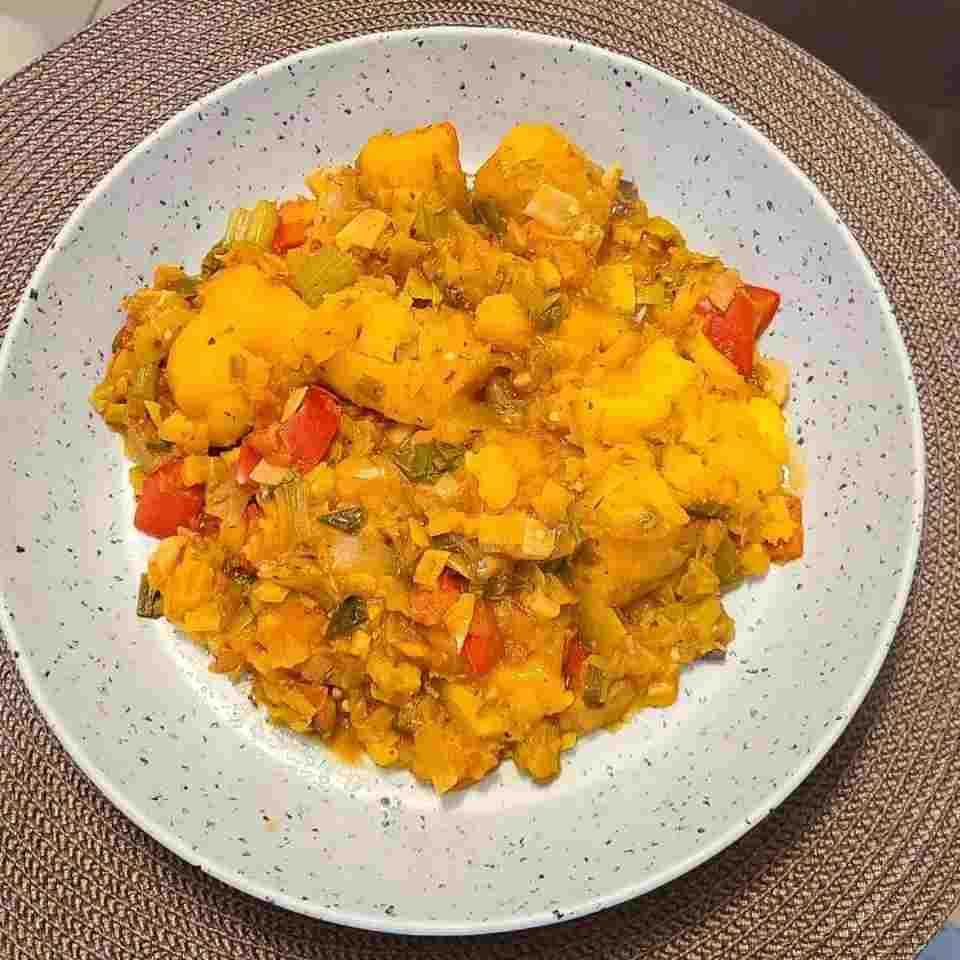
Agatoke
Plantain in Red Bean Sauce
Lunch and dinner Easy
📜 Story
Easy
📜 Story
Amandazi
East African Doughnuts
Breakfast and afternoon tea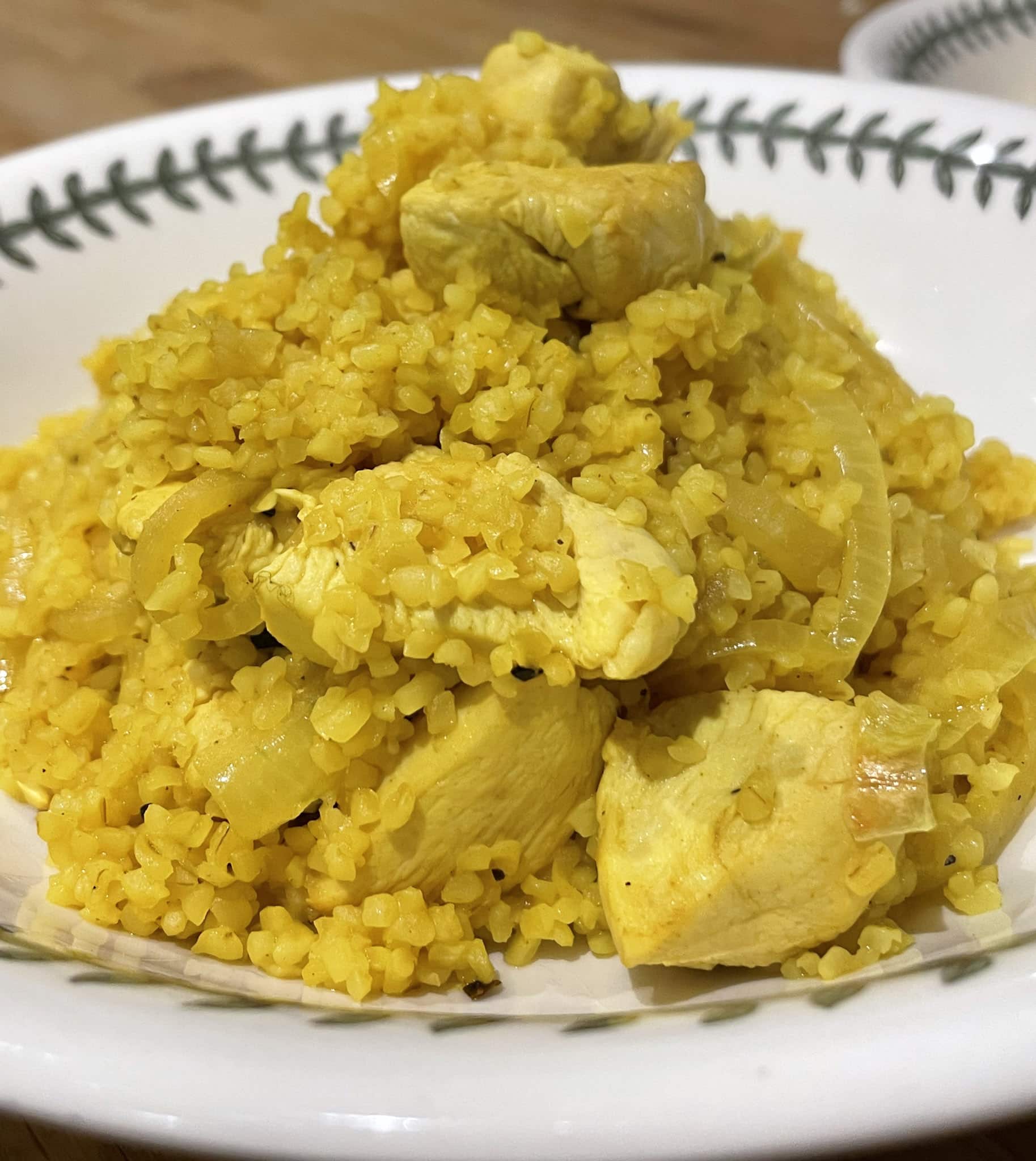 Medium
📜 Story
Medium
📜 Story
Boko Boko
Cracked Wheat and Meat Porridge
Breakfast and cold-weather meals Easy
📜 Story
Easy
📜 Story
Brochettes
Grilled Goat Skewers
Evening, social gatherings
Comments (0)
Log in to leave a comment.
No comments yet. Be the first to share your thoughts!