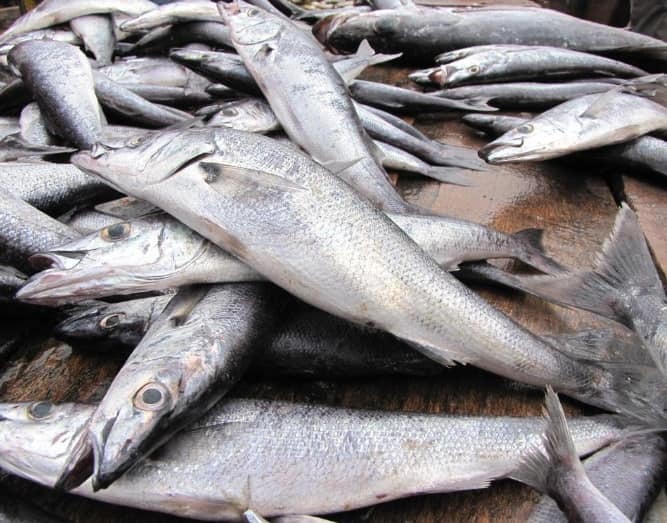
Small Lake Tanganyika sardines sun-dried on mats until perfectly preserved, then rehydrated and simmered in a tomato and onion sauce for a concentrated, umami-rich meal.
Instructions
-
1
Soak dried ndagala in warm water for fifteen minutes to rehydrate slightly and remove excess salt.
-
2
Drain the fish and set aside. Heat oil in a saucepan over medium heat.
-
3
Add diced onions and cook for five minutes until softened and lightly golden.
-
4
Add chopped tomatoes and chili flakes, cook for five minutes until tomatoes form a sauce.
-
5
Add the rehydrated ndagala and one cup of water, simmer for fifteen minutes until the fish absorb the sauce flavors.
-
6
The dish is ready when the sauce has thickened and coats the fish. Serve over ubugari or rice.
Did You Know?
Dried ndagala can be stored for months without refrigeration, making them a vital food source for inland communities far from the lake.
The Story Behind Ndagala Séchées
Drying fish in the sun is one of the oldest preservation methods used by Lake Tanganyika fishing communities. Ndagala are spread on woven mats along the lakeshore where the tropical sun dehydrates them within a day or two. This preservation technique allowed inland communities without access to fresh fish to benefit from the lake's bounty. The dried fish are traded throughout Burundi and neighboring countries, forming an important part of the regional economy and diet.
More Burundian Dishes
 Medium
📜 Story
Medium
📜 Story
Agatoke
Plantain in Red Bean Sauce
Lunch and dinner Easy
📜 Story
Easy
📜 Story
Amandazi
East African Doughnuts
Breakfast and afternoon tea Medium
📜 Story
Medium
📜 Story
Boko Boko
Cracked Wheat and Meat Porridge
Breakfast and cold-weather meals Easy
📜 Story
Easy
📜 Story
Brochettes
Grilled Goat Skewers
Evening, social gatherings
Comments (0)
Log in to leave a comment.
No comments yet. Be the first to share your thoughts!