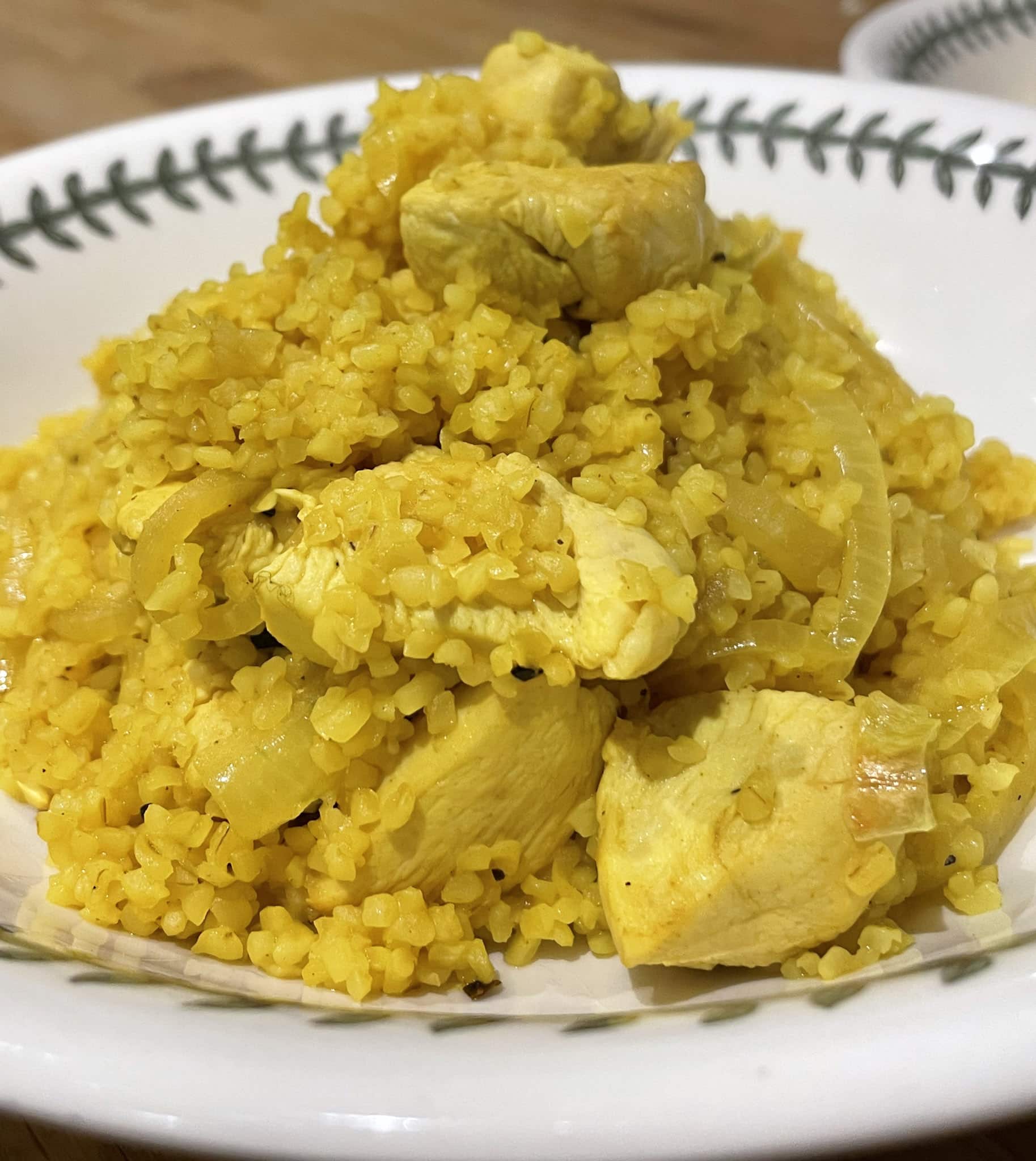
A thick, hearty porridge of cracked wheat slow-cooked with shredded beef until the grains break down and the meat melts into the wheat, creating a rich, savory comfort food.
Nutrition & Info
Allergen Warnings
Equipment Needed
Presentation Guide
Instructions
-
1
Place beef cubes in a large pot with water, bring to a boil, then reduce heat and simmer for one hour until very tender.
-
2
Remove beef, shred finely with two forks, and return to the broth in the pot.
-
3
Add cracked wheat, diced onion, butter, cinnamon, salt, and pepper to the pot.
-
4
Cook on low heat for forty-five minutes, stirring frequently to prevent sticking as the wheat absorbs the broth.
-
5
Continue stirring until the porridge reaches a thick, smooth consistency where the wheat and meat are fully integrated.
-
6
Serve hot in deep bowls, topped with a drizzle of melted butter and a sprinkle of cinnamon.
Did You Know?
Boko boko is considered one of the most warming and restorative foods in Burundi, often prepared for someone recovering from illness.
Chef's Notes
Equipment Tips
- heavy pot
- wooden spoon
- fork for shredding
Garnishing
cinnamon, melted butter
Accompaniments
flatbread, tea
The Story Behind Boko Boko
Boko boko reflects the culinary exchange between the Great Lakes region and East African coastal cultures, where similar wheat-and-meat porridges are found. The dish likely arrived through Arab and Swahili traders who traveled inland for centuries. Burundian cooks adapted the recipe to local tastes, creating a uniquely thick, nourishing version that became associated with healing and comfort. The long, slow cooking process transforms humble ingredients into something deeply satisfying.


Comments (0)
Log in to leave a comment.
No comments yet. Be the first to share your thoughts!