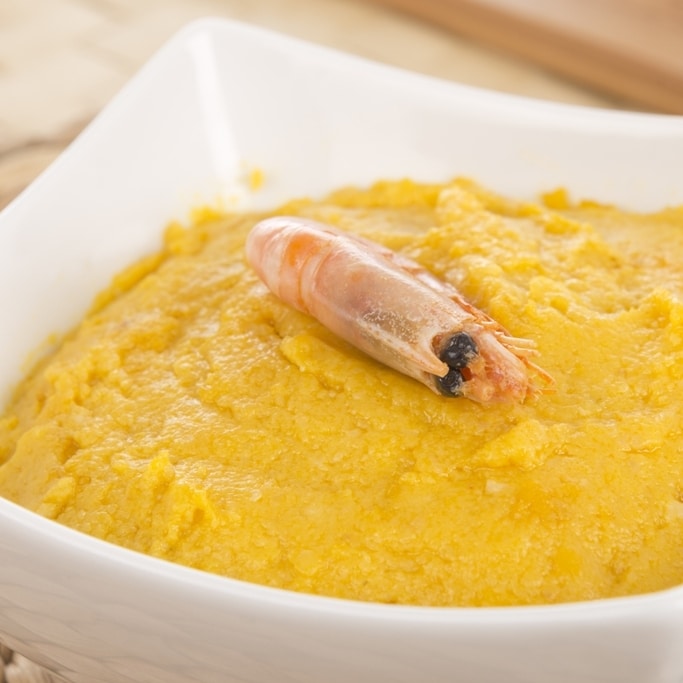
A rich, thick Bahian cream of ground shrimp, coconut milk, peanuts, and dendê oil thickened with bread, spiced with ginger and malagueta pepper — a luscious Afro-Brazilian delicacy.
Instructions
-
1
Blend soaked bread with coconut milk until smooth. Set aside.
-
2
Sauté onion and garlic in dendê oil until golden. Add ginger and malagueta peppers.
-
3
Add ground dried shrimp, ground peanuts, and ground cashews. Stir well for 3 minutes.
-
4
Pour in the bread-coconut mixture and stir continuously over medium-low heat for 15 minutes until thick and creamy.
-
5
Add fresh shrimp and cook for 5-7 minutes until shrimp are pink and cooked through.
-
6
Finish with lime juice and cilantro. Adjust salt.
-
7
Serve over white rice with additional dendê oil drizzled on top.
Did You Know?
Vatapá is so important to Bahian identity that it appears in the lyrics of numerous Brazilian songs and is an essential offering in Candomblé ceremonies honoring the orixá Oxalá.
The Story Behind Vatapá
Vatapá is a cornerstone of Bahian cuisine with deep African roots, brought to Brazil by enslaved peoples from West Africa who adapted their cooking traditions using local ingredients. The combination of coconut milk, dendê oil, and dried shrimp forms the holy trinity of Bahian cooking. Vatapá is both everyday food and sacred offering, crossing the line between kitchen and temple in Candomblé religion.
More Brazilian Dishes
 Easy
📜 Story
Easy
📜 Story
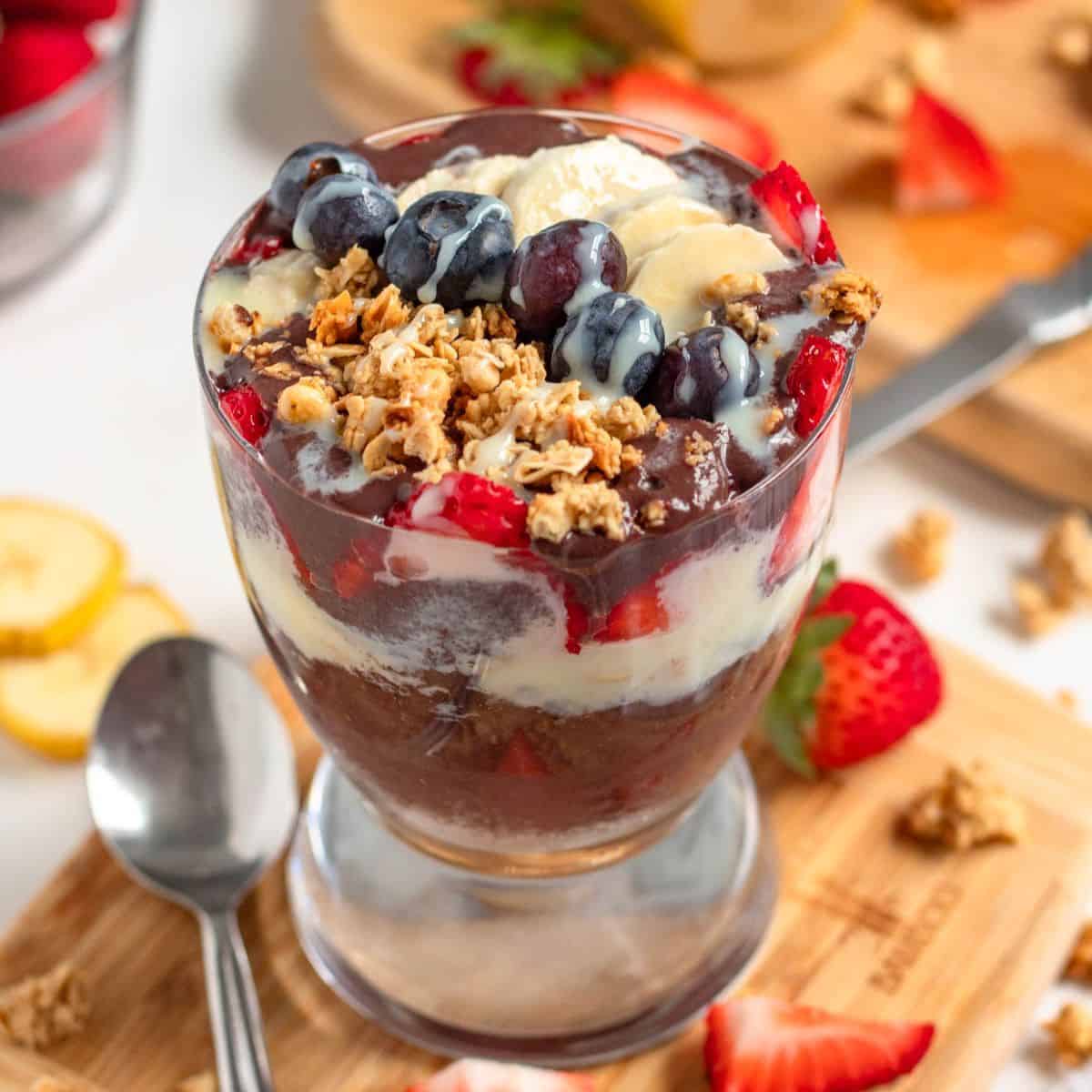
Açaí na Tigela
Açaí Bowl
Breakfast, post-workout, afternoon snack Hard
📜 Story
Hard
📜 Story
Acarajé
Black-Eyed Pea Fritters
Afternoon street snack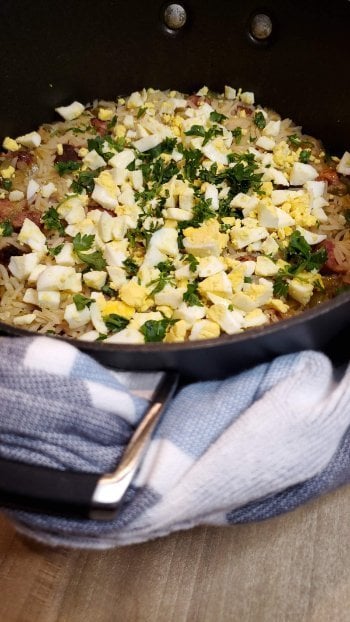 Easy
📜 Story
Easy
📜 Story
Arroz Carreteiro
Wagoner's Rice
Lunch, hearty everyday meal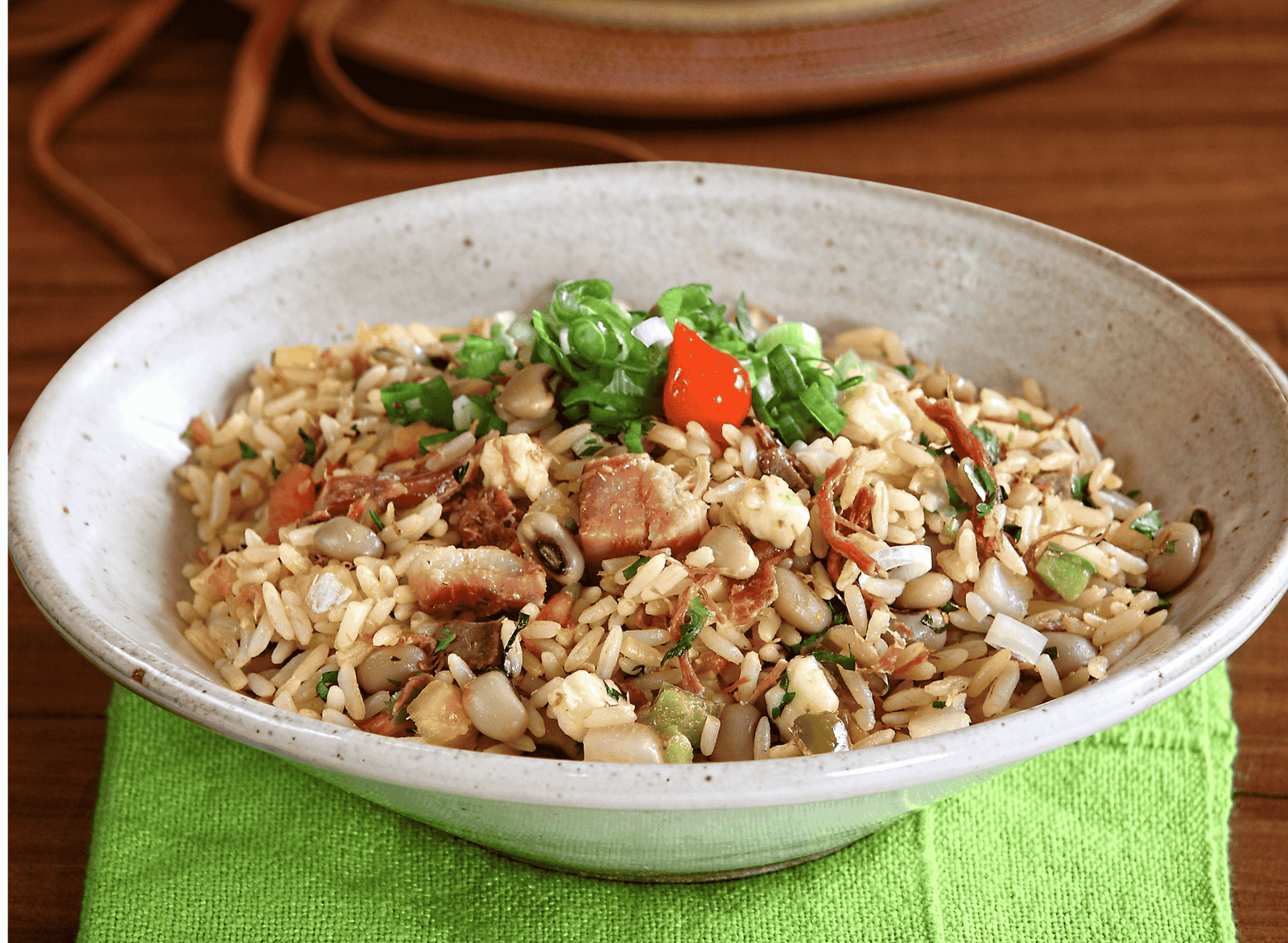 Easy
📜 Story
Easy
📜 Story
Baião de Dois
Rice and Beans with Cheese
Lunch, everyday meal in the Northeast
Comments (0)
Log in to leave a comment.
No comments yet. Be the first to share your thoughts!