
Paper-thin, blistered pastry shells deep-fried until impossibly crispy and light, stuffed with molten cheese, seasoned ground beef, or hearts of palm — the king of Brazilian street food.
Nutrition & Info
Allergen Warnings
Equipment Needed
Presentation Guide
Vessel: paper-lined tray
Garnishes: hot sauce
Accompaniments: caldo de cana (sugarcane juice), cold beer
Instructions
-
1
Make dough: mix flour, salt, oil, cachaça, and warm water. Knead until smooth and elastic. Rest 30 minutes covered.
-
2
Prepare fillings: for beef, sauté onion, garlic, and beef until browned, add tomato and seasonings. For cheese, simply shred. For hearts of palm, mix with cream cheese.
-
3
Roll dough very thin on a floured surface — it should be almost translucent.
-
4
Cut into rectangles about 12x15cm. Place filling on one half, leaving borders.
-
5
Fold dough over filling, press edges firmly, and seal with a fork. Ensure no air is trapped inside.
-
6
Heat oil to 190°C. Fry pastéis in batches until puffed and deeply golden on both sides, about 2-3 minutes.
-
7
Drain briefly on paper towels and serve immediately with hot sauce. They must be eaten hot.
Did You Know?
Pastel was invented by Japanese immigrants in São Paulo who adapted Chinese spring roll wrappers during World War II, making it one of Brazil's most delicious examples of immigrant culinary innovation.
Chef's Notes
Equipment Tips
- rolling pin
- deep fryer or heavy pot
- fork for sealing
Garnishing
hot sauce
Accompaniments
caldo de cana (sugarcane juice), cold beer
The Story Behind Pastel
The pastel's origin story is one of wartime ingenuity — Japanese immigrants in São Paulo, facing anti-Japanese sentiment during WWII, opened pastelarias disguised as Chinese restaurants. They adapted spring roll dough into the large, crispy pastries we know today. Pastéis became inseparable from Brazilian feiras (open-air markets), where pastelarias are the most popular stalls every Saturday morning.
More Brazilian Dishes
 Easy
📜 Story
Easy
📜 Story
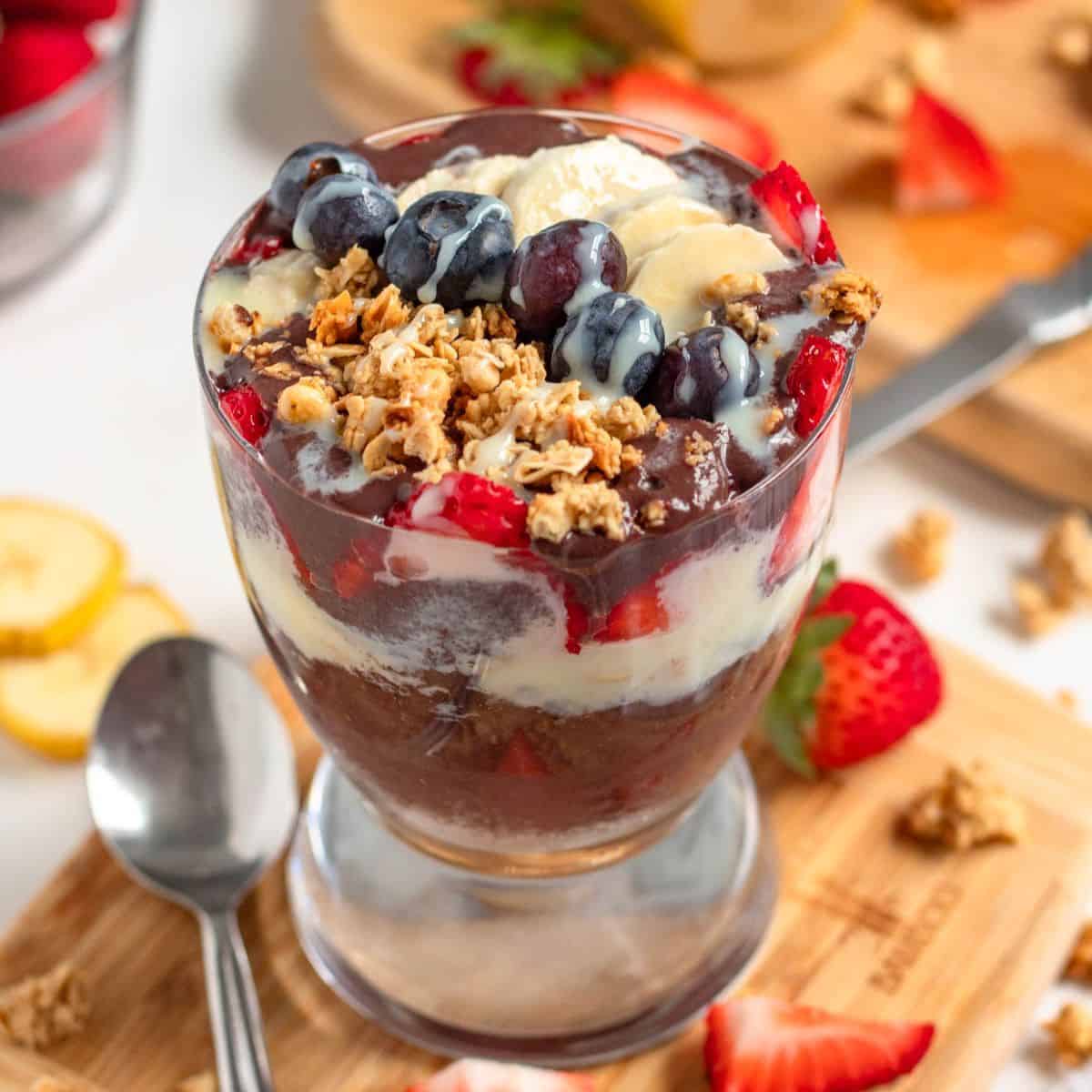
Açaí na Tigela
Açaí Bowl
Breakfast, post-workout, afternoon snack Hard
📜 Story
Hard
📜 Story
Acarajé
Black-Eyed Pea Fritters
Afternoon street snack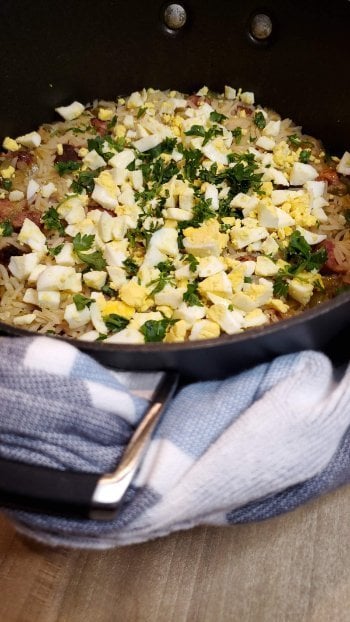 Easy
📜 Story
Easy
📜 Story
Arroz Carreteiro
Wagoner's Rice
Lunch, hearty everyday meal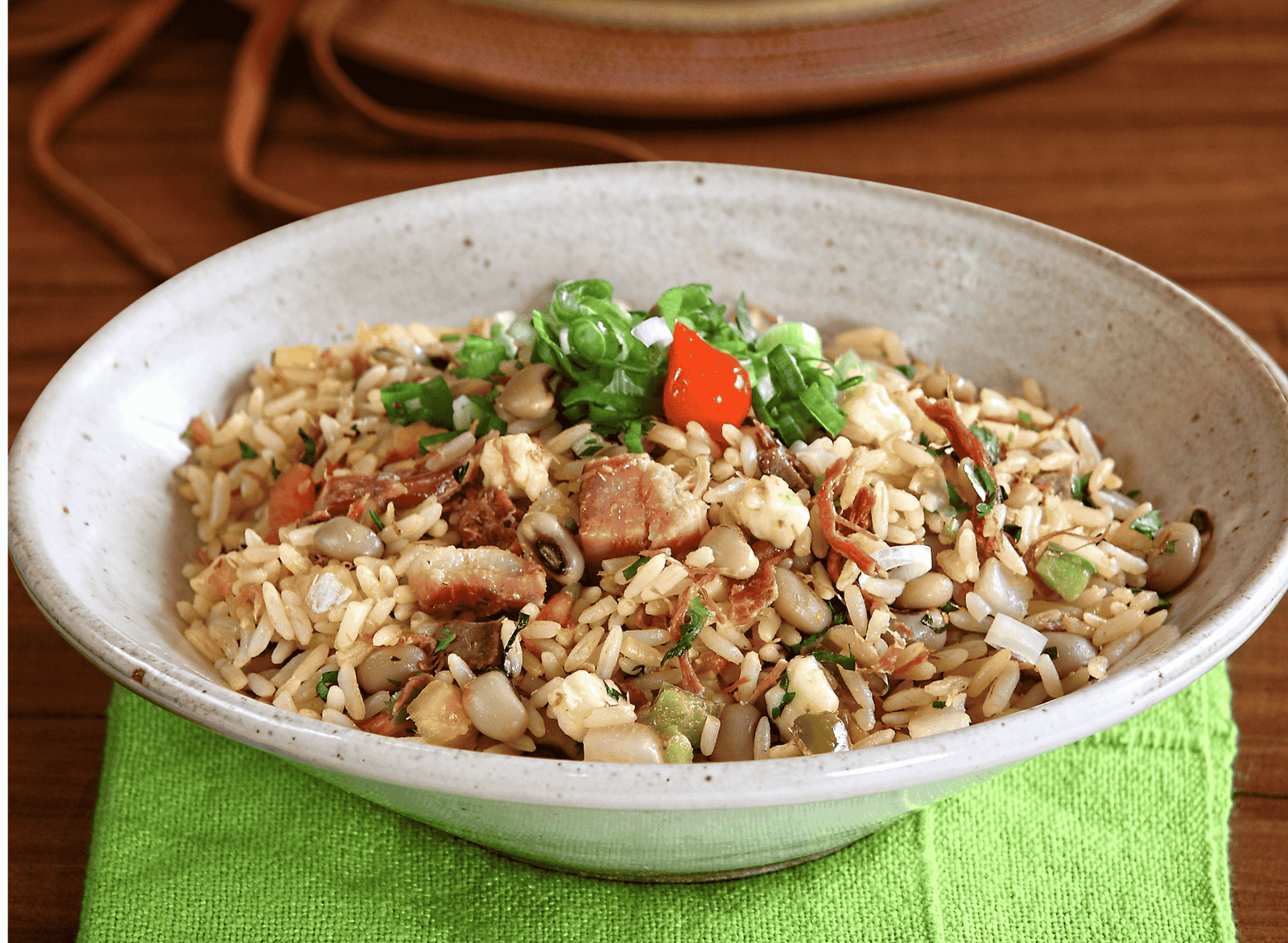 Easy
📜 Story
Easy
📜 Story
Baião de Dois
Rice and Beans with Cheese
Lunch, everyday meal in the Northeast
Comments (0)
Log in to leave a comment.
No comments yet. Be the first to share your thoughts!