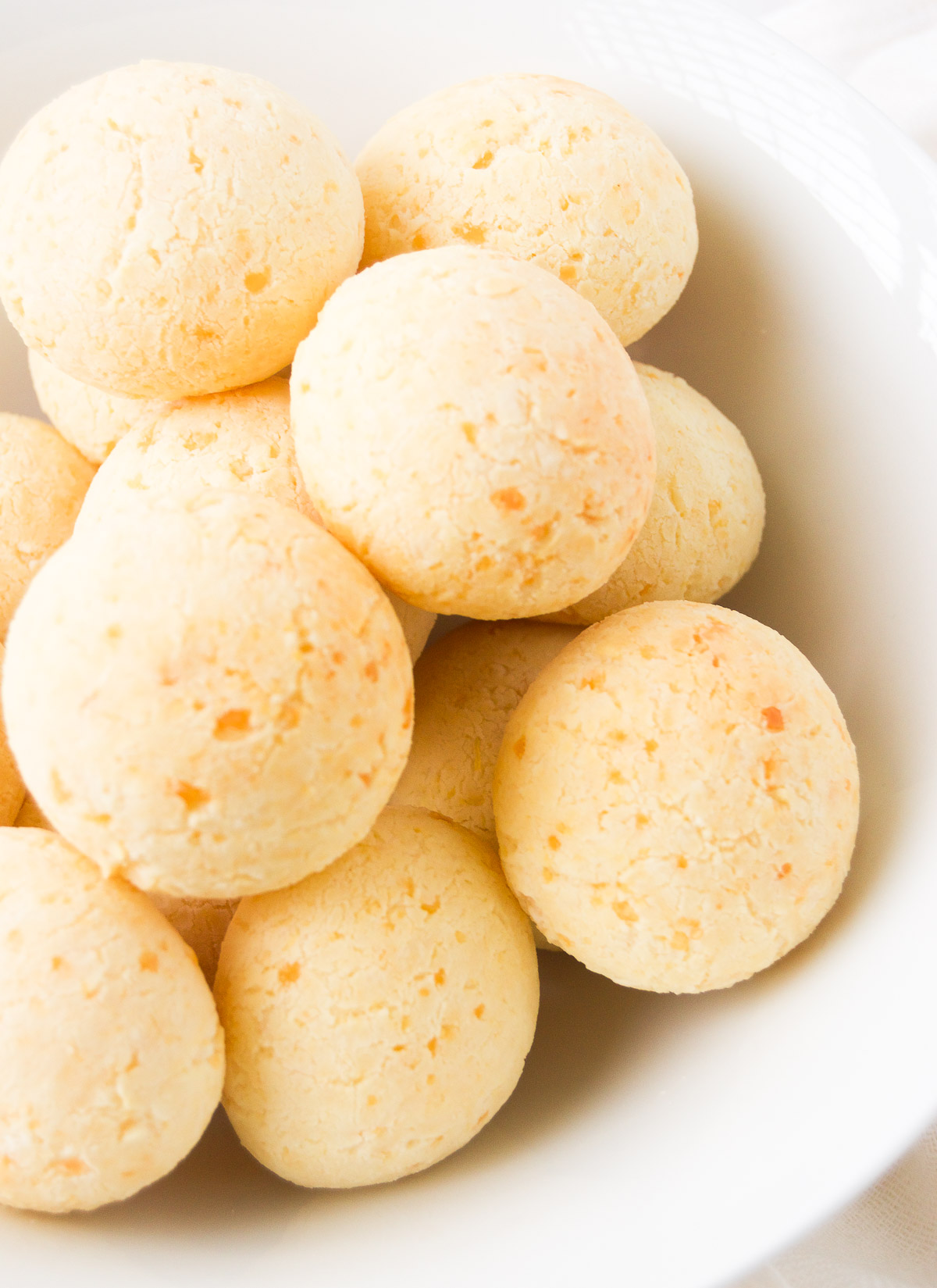
Addictive little cheese bread balls with a crispy shell and impossibly stretchy, chewy interior made with tapioca flour. Naturally gluten-free and dangerously poppable.
Nutrition & Info
Allergen Warnings
Equipment Needed
Presentation Guide
Instructions
-
1
Preheat your oven to two hundred degrees Celsius and line a baking sheet with parchment paper. Measure out the tapioca flour into a large mixing bowl and set aside for the next step.
-
2
Combine the milk, vegetable oil, and salt in a small saucepan and bring to a full boil over medium-high heat, watching carefully as the mixture can boil over quickly once it starts bubbling.
-
3
Immediately pour the boiling liquid over the tapioca flour and stir vigorously with a wooden spoon until a thick, sticky, gelatinous dough forms. The texture will be very different from wheat-based doughs, appearing glossy and stretchy.
-
4
Allow the dough to cool for about ten minutes until comfortable to handle. Add the egg and knead it in thoroughly, working the dough until the egg is fully incorporated and the mixture is smooth and uniform.
-
5
Add the grated Parmesan cheese and continue kneading until the cheese is evenly distributed throughout the dough. The final dough should be soft, slightly sticky, and pliable enough to roll into balls.
-
6
Pinch off small pieces of dough and roll them between your palms into balls about three centimetres in diameter. Place them on the prepared baking sheet, spacing them about four centimetres apart to allow for puffing.
-
7
Bake for fifteen to twenty minutes until the cheese breads have puffed up dramatically and turned light golden on the outside while remaining soft and chewy inside. Serve warm, as they are best fresh from the oven.
Did You Know?
Pão de queijo originated in Minas Gerais state. Brazilians eat them at any time of day, and every bakery and gas station sells them.
Chef's Notes
Equipment Tips
- baking sheet
- mixing bowl
- saucepan
- oven
Garnishing
none
Accompaniments
coffee, guava paste
The Story Behind Pão de Queijo
### The Story
Pao de queijo (cheese bread) originated in the state of Minas Gerais during the 18th century, its creation tied directly to Brazil's colonial history. When gold was discovered near Ouro Preto around 1700, the resulting population boom drew nearly 20% of Brazil's population, including large numbers of enslaved people, to the region. With wheat unavailable, local cooks created a bread from cassava starch, a technique learned from the indigenous Tupiniquins. In the late 19th century, after abolition, Afro-Brazilian residents in Minas Gerais gained greater access to eggs, milk, and the region's semi-soft Minas cheese, which they began adding to the cassava rolls, creating the chewy, golden puffs known today.
### On the Calendar
Pao de queijo is eaten year-round as a breakfast staple, afternoon snack with coffee, or accompaniment to meals. It has no specific seasonal or calendar association.
### Then & Now
The traditional recipe uses both sweet and sour cassava starch, eggs, milk, oil, and Minas or Canastra cheese. The cassava starch gives the bread its distinctive chewy, elastic interior and crispy exterior -- unlike any wheat-based bread. Commercial frozen pao de queijo has made the snack accessible nationwide and internationally, but fresh, warm pao de queijo from a Mineiro bakery remains the definitive experience.
### Legacy
Pao de queijo is edible history -- a bread that carries the story of indigenous knowledge, colonial hardship, and Afro-Brazilian ingenuity in every golden, cheese-laced bite.
More Brazilian Dishes
 Easy
📜 Story
Easy
📜 Story
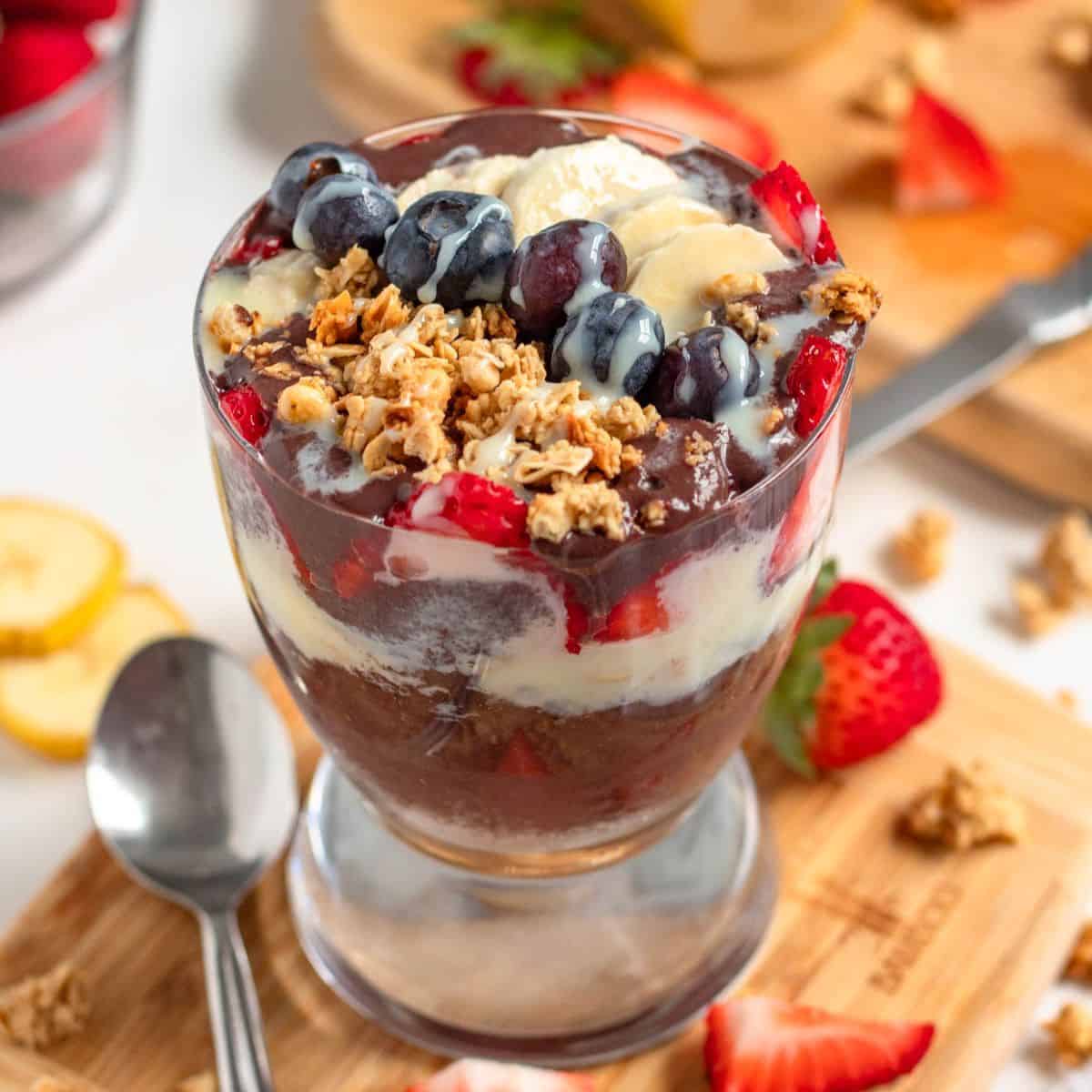
Açaí na Tigela
Açaí Bowl
Breakfast, post-workout, afternoon snack Hard
📜 Story
Hard
📜 Story
Acarajé
Black-Eyed Pea Fritters
Afternoon street snack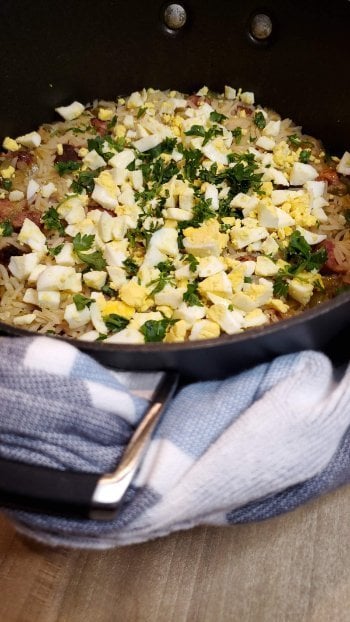 Easy
📜 Story
Easy
📜 Story
Arroz Carreteiro
Wagoner's Rice
Lunch, hearty everyday meal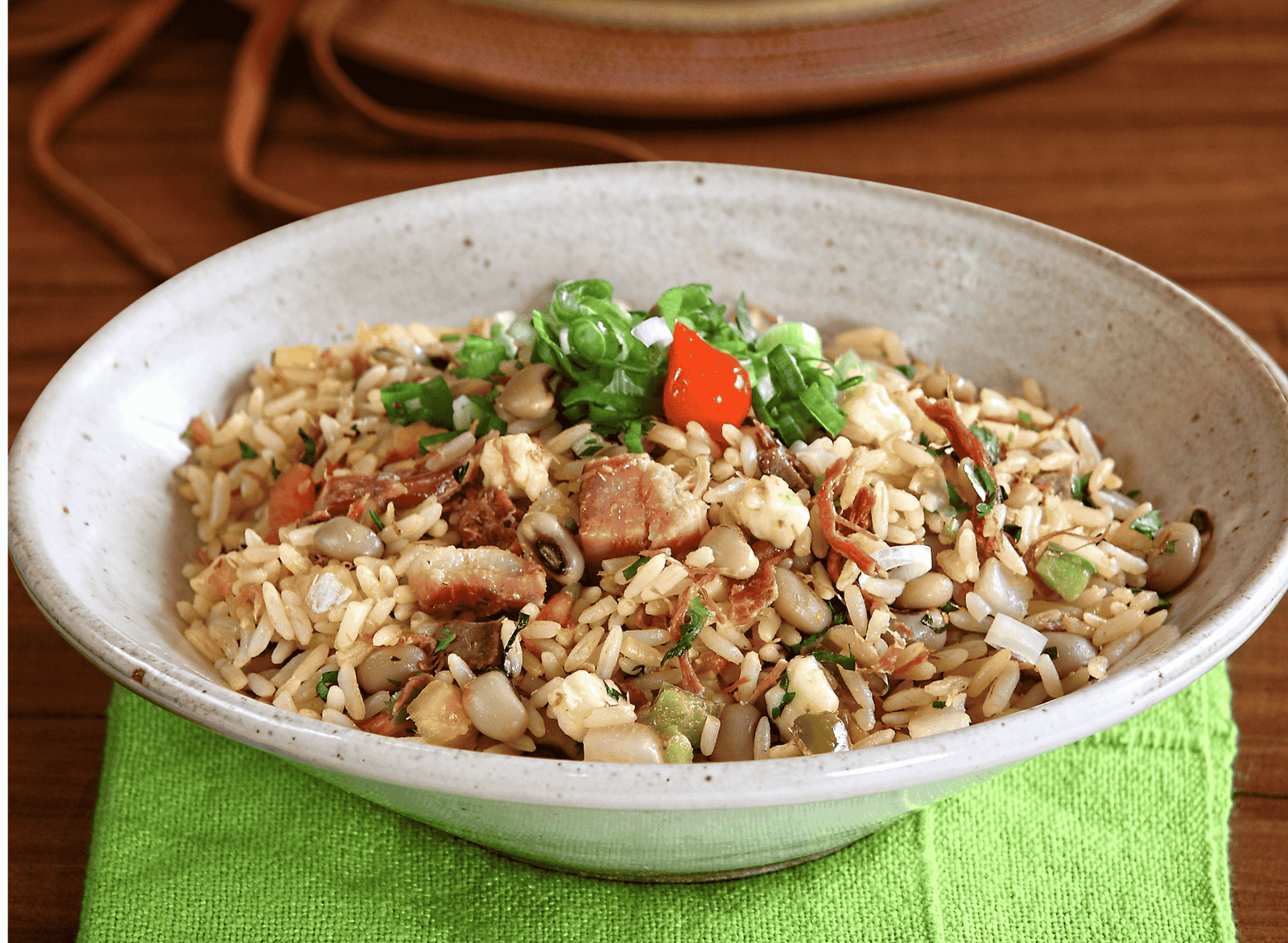 Easy
📜 Story
Easy
📜 Story
Baião de Dois
Rice and Beans with Cheese
Lunch, everyday meal in the Northeast
Comments (0)
Log in to leave a comment.
No comments yet. Be the first to share your thoughts!