
Moqueca de Peixe
Moqueca de Peixe (moh-KEH-kah deh PAY-sheh)
Bahian Fish Stew
A vibrant Bahian stew of firm white fish simmered in a fragrant bath of coconut milk, dendê oil, tomatoes, peppers, and cilantro, served bubbling in a traditional clay pot with its golden-orange broth.
Instructions
-
1
Marinate fish pieces in lime juice, salt, and pepper for 30 minutes in the refrigerator.
-
2
In a clay pot or heavy pan, layer onion rings, tomato slices, and pepper slices on the bottom.
-
3
Place marinated fish on top of the vegetables in a single layer.
-
4
Add remaining onion, tomato, and pepper slices over the fish. Pour coconut milk and fish stock over everything.
-
5
Drizzle dendê oil over the top. Cover and bring to a gentle simmer over medium heat.
-
6
Cook covered for 20 minutes without stirring — gently shake the pot occasionally to prevent sticking.
-
7
Garnish generously with fresh cilantro and serve immediately from the clay pot with white rice.
Did You Know?
There is a friendly rivalry between Bahia and Espírito Santo over whose moqueca is the "true" version — Bahia uses dendê oil and coconut milk, while Espírito Santo uses neither.
The Story Behind Moqueca de Peixe
Moqueca traces its roots to the indigenous Tupinambá people who cooked fish wrapped in banana leaves over hot coals. African enslaved peoples brought coconut milk and dendê oil, transforming it into the Bahian version known today. The dish embodies the Afro-Brazilian culinary fusion of Salvador da Bahia and is considered one of Brazil's most iconic regional dishes, always served in traditional clay pots made in the town of Goiabeiras.
More Brazilian Dishes
 Easy
📜 Story
Easy
📜 Story
Açaí na Tigela
Açaí Bowl
Breakfast, post-workout, afternoon snack Hard
📜 Story
Hard
📜 Story
Acarajé
Black-Eyed Pea Fritters
Afternoon street snack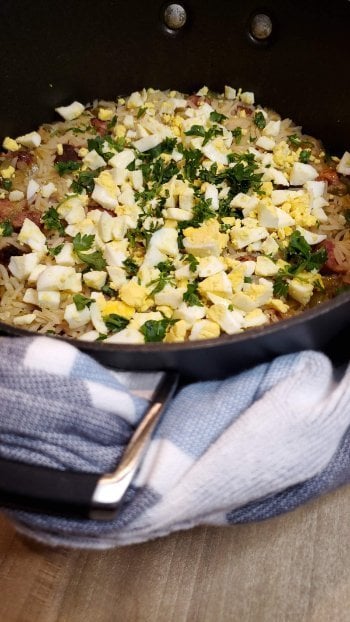 Easy
📜 Story
Easy
📜 Story
Arroz Carreteiro
Wagoner's Rice
Lunch, hearty everyday meal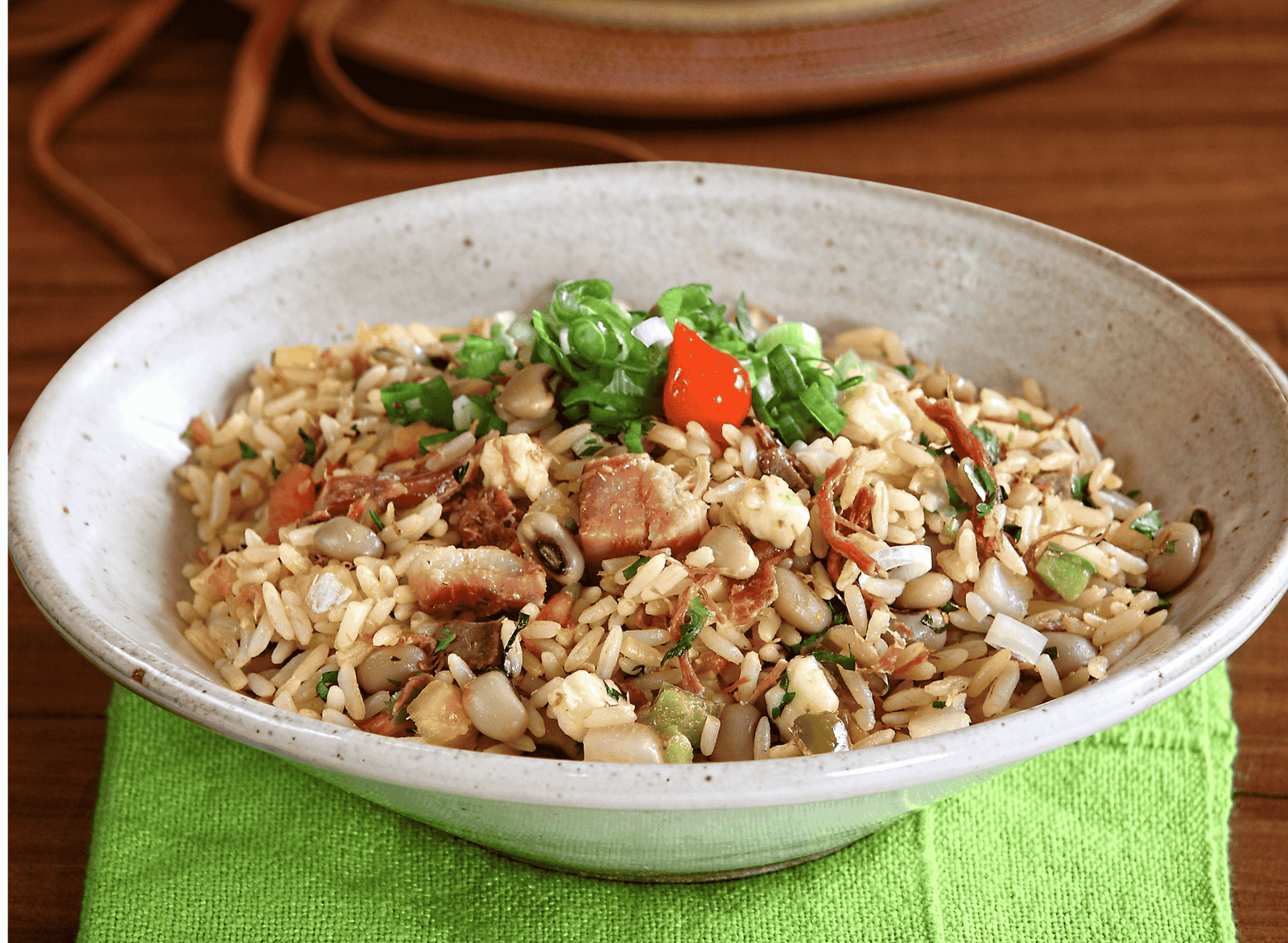 Easy
📜 Story
Easy
📜 Story
Baião de Dois
Rice and Beans with Cheese
Lunch, everyday meal in the Northeast
Comments (0)
Log in to leave a comment.
No comments yet. Be the first to share your thoughts!