
Frango com Quiabo
Frango com Quiabo (FRAN-goo kohm kee-AH-boo)
Chicken with Okra
A rustic Minas Gerais stew of chicken pieces braised with sliced okra in a simple, savory sauce of tomatoes, onion, and garlic, served over angu — the soulful home cooking of Brazil's heartland.
Nutrition & Info
Equipment Needed
Presentation Guide
Vessel: clay pot or deep plate
Garnishes: parsley, lime wedge
Accompaniments: angu (cornmeal porridge), white rice, couve (collard greens)
Instructions
-
1
Season chicken pieces with lime juice, turmeric, garlic, salt, and pepper. Marinate for 20 minutes.
-
2
Heat oil in a large pot. Brown chicken pieces on all sides in batches. Remove and set aside.
-
3
In the same pot, sauté onion until softened. Add tomatoes and cook for 5 minutes.
-
4
Return chicken to the pot, add enough water to partially cover. Bring to a boil, then simmer covered for 25 minutes.
-
5
Meanwhile, sauté okra slices in a separate skillet with a little oil and a squeeze of lime juice for 10 minutes to reduce the sliminess.
-
6
Add the sautéed okra to the chicken and cook together for 10 more minutes.
-
7
For angu: bring salted water to a boil, gradually whisk in cornmeal, stirring constantly for 10 minutes until thick. Stir in butter. Serve chicken and okra over angu, garnished with parsley.
Did You Know?
In Minas Gerais, the secret to perfect frango com quiabo is sautéing the okra separately with lime juice first, which eliminates the sliminess that some people find off-putting.
Chef's Notes
Equipment Tips
- large heavy pot or Dutch oven
- skillet
Garnishing
parsley, lime wedge
Accompaniments
angu (cornmeal porridge), white rice, couve (collard greens)
The Story Behind Frango com Quiabo
Frango com quiabo is the defining dish of Minas Gerais cuisine, known as comida mineira. Okra was brought to Brazil by enslaved Africans and thrived in the tropical climate. Combined with free-range chicken and cornmeal angu — a descendant of both African and indigenous polenta-like preparations — this dish represents the three pillars of Mineiro cooking: African, indigenous, and Portuguese influences.
More Brazilian Dishes
 Easy
📜 Story
Easy
📜 Story
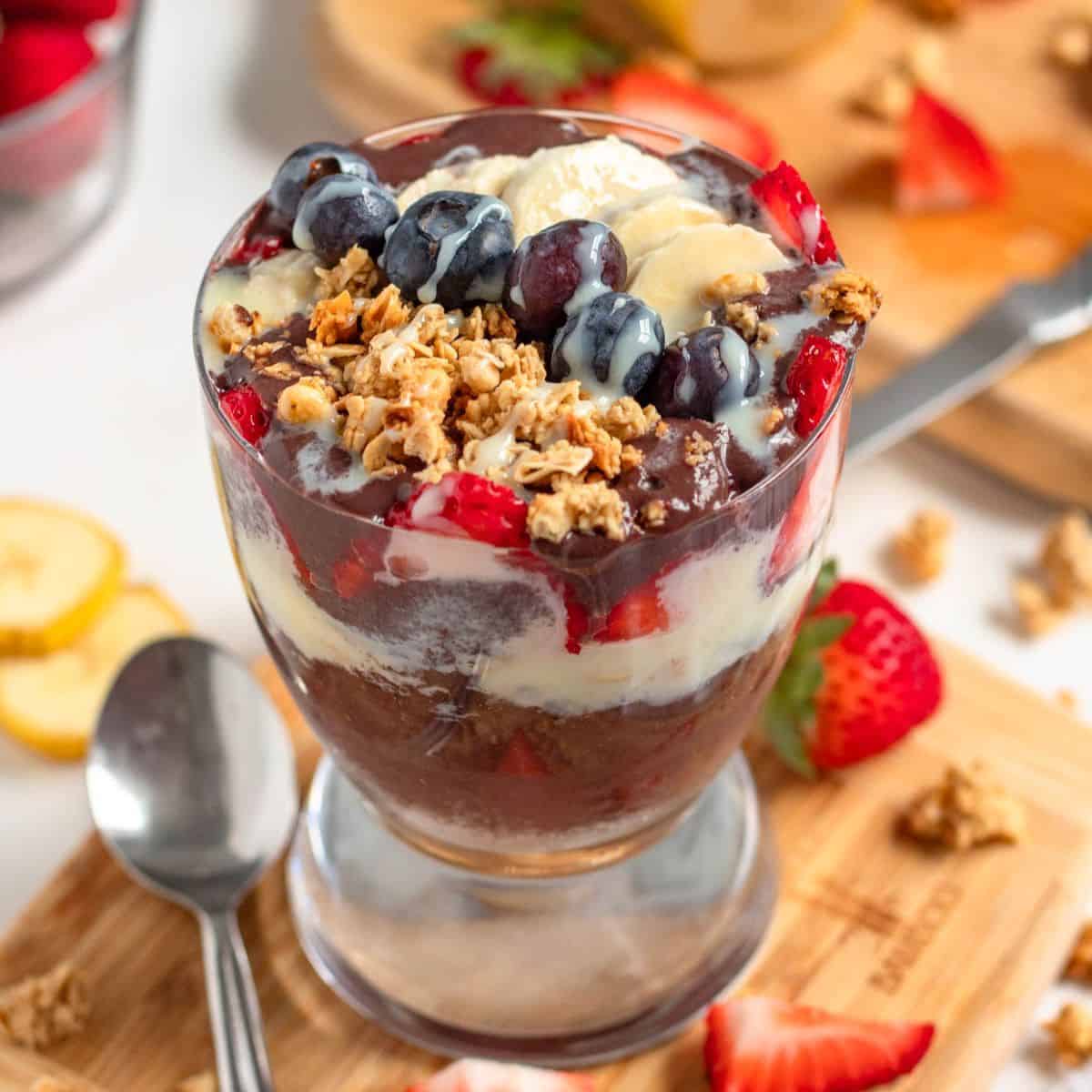
Açaí na Tigela
Açaí Bowl
Breakfast, post-workout, afternoon snack Hard
📜 Story
Hard
📜 Story
Acarajé
Black-Eyed Pea Fritters
Afternoon street snack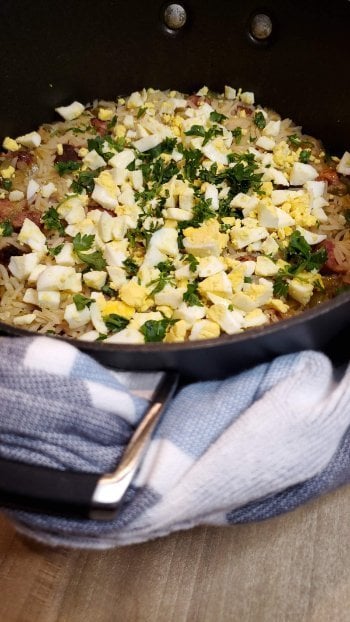 Easy
📜 Story
Easy
📜 Story
Arroz Carreteiro
Wagoner's Rice
Lunch, hearty everyday meal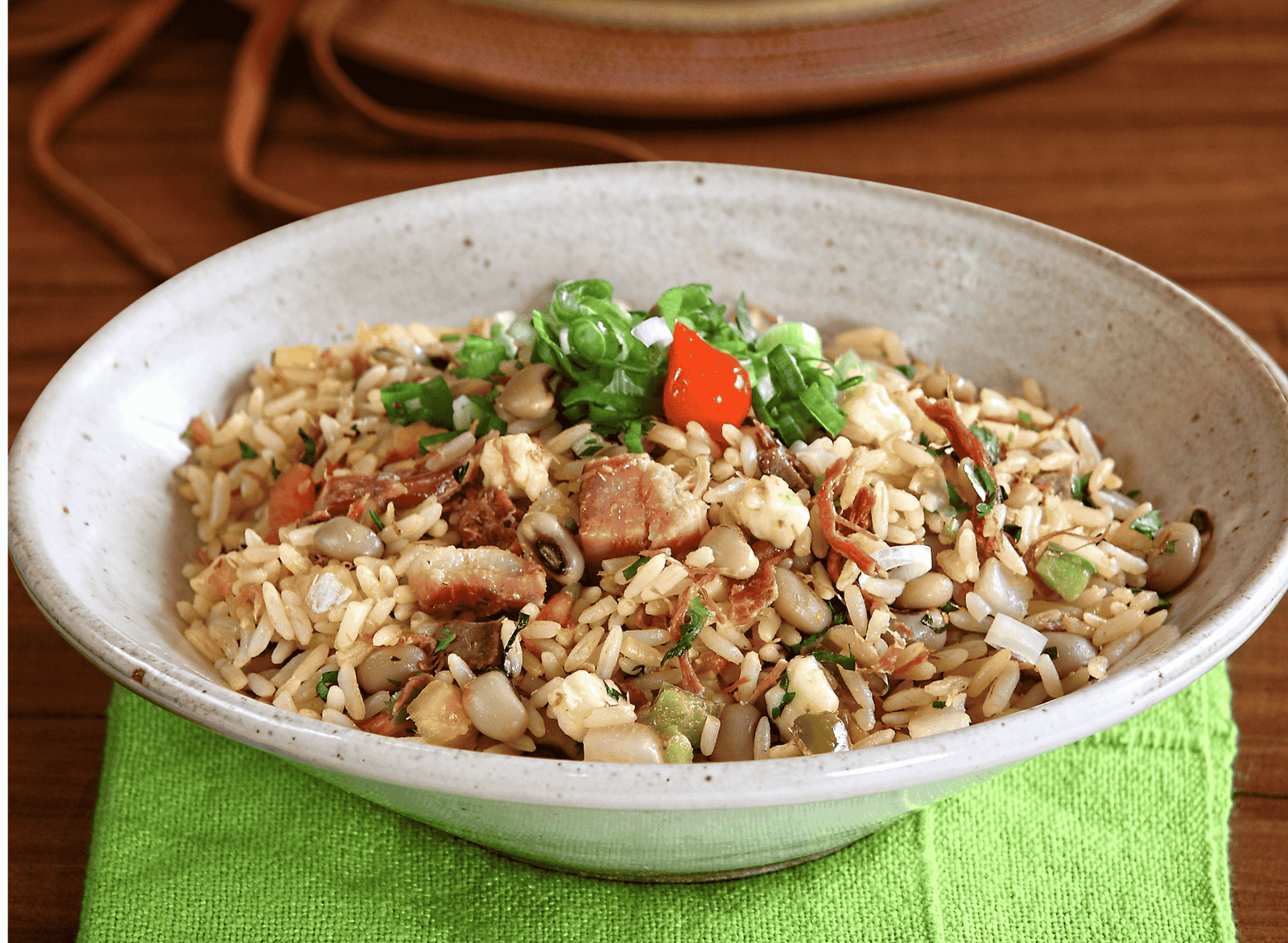 Easy
📜 Story
Easy
📜 Story
Baião de Dois
Rice and Beans with Cheese
Lunch, everyday meal in the Northeast
Comments (0)
Log in to leave a comment.
No comments yet. Be the first to share your thoughts!