
Golden, buttery toasted cassava flour studded with onions, garlic, eggs, and herbs — the quintessential Brazilian side dish that adds irresistible crunch and nutty depth to any plate.
Nutrition & Info
Allergen Warnings
Equipment Needed
Presentation Guide
Vessel: ceramic bowl
Garnishes: parsley, crispy onion bits
Accompaniments: any main dish — rice, beans, grilled meats, stews
Instructions
-
1
Melt butter in a large skillet over medium heat. Sauté onion until golden, about 5 minutes.
-
2
Add garlic and cook for 1 minute until fragrant.
-
3
Push onion to one side, pour beaten eggs into the other side and scramble until just set.
-
4
Add cassava flour gradually, stirring constantly to coat every grain in the butter and mix with eggs and onion.
-
5
Toast, stirring frequently, for 5-7 minutes until the farofa is golden, fragrant, and crunchy.
-
6
Stir in parsley and olives if using. Season with salt.
-
7
Serve immediately as a side — sprinkle over rice, beans, grilled meats, or stews.
Did You Know?
Farofa is so essential to Brazilian dining that many Brazilians carry a small container of homemade farofa when traveling, unable to eat a meal without it.
Chef's Notes
Equipment Tips
- large skillet
- wooden spoon
Garnishing
parsley, crispy onion bits
Accompaniments
any main dish — rice, beans, grilled meats, stews
The Story Behind Farofa
Farofa derives from the indigenous Tupi people's mastery of mandioca (cassava), the foundational starch of Brazilian cuisine for millennia before colonization. The Portuguese adapted the technique by adding butter and eggs, creating the toasted preparation known today. Farofa is the universal Brazilian condiment, appearing at every meal from simple weeknight dinners to elaborate churrasco feasts.
More Brazilian Dishes
 Easy
📜 Story
Easy
📜 Story
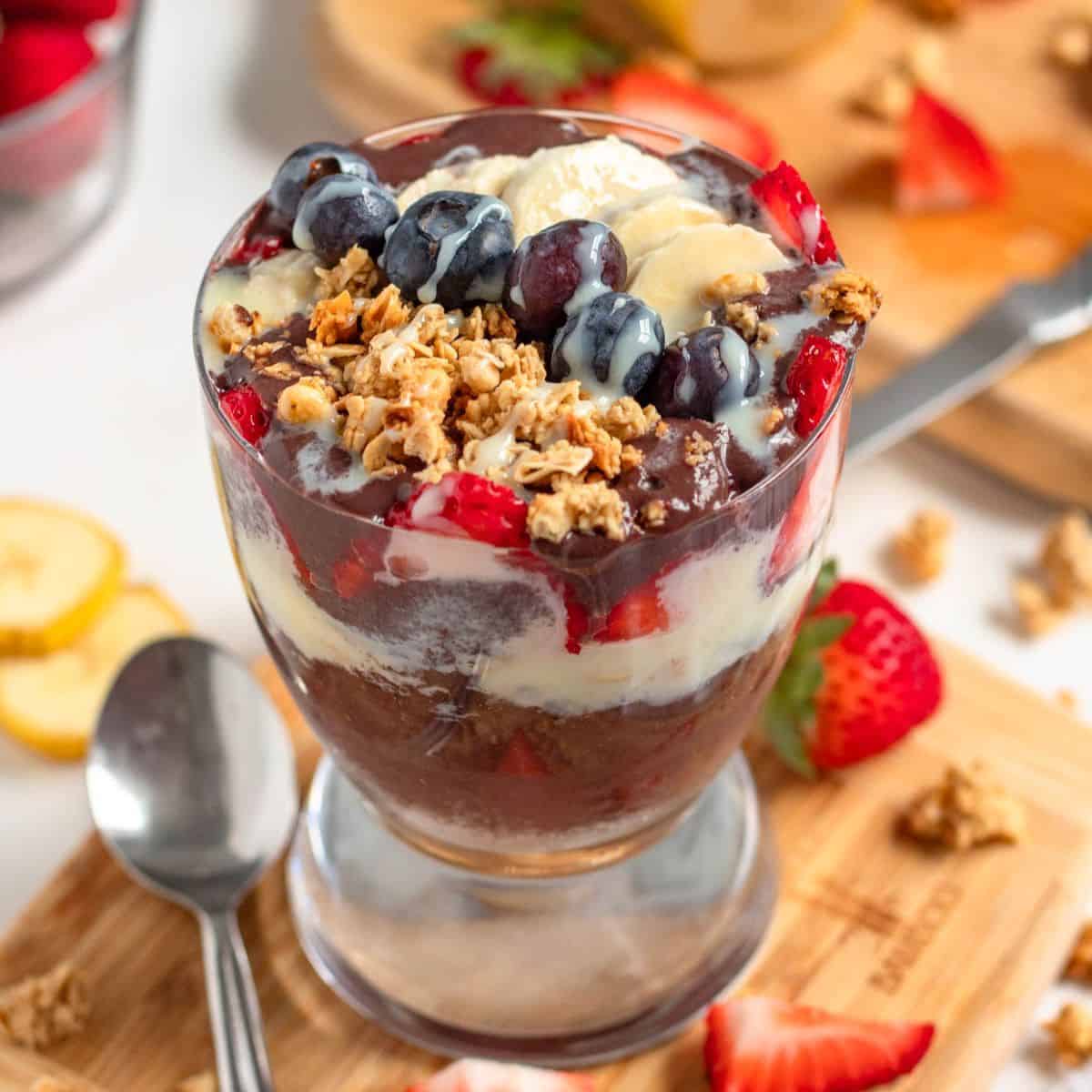
Açaí na Tigela
Açaí Bowl
Breakfast, post-workout, afternoon snack Hard
📜 Story
Hard
📜 Story
Acarajé
Black-Eyed Pea Fritters
Afternoon street snack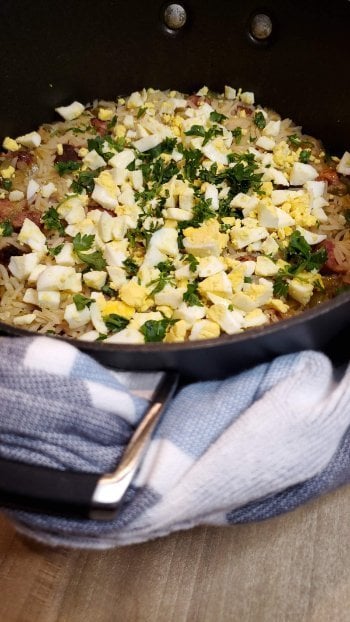 Easy
📜 Story
Easy
📜 Story
Arroz Carreteiro
Wagoner's Rice
Lunch, hearty everyday meal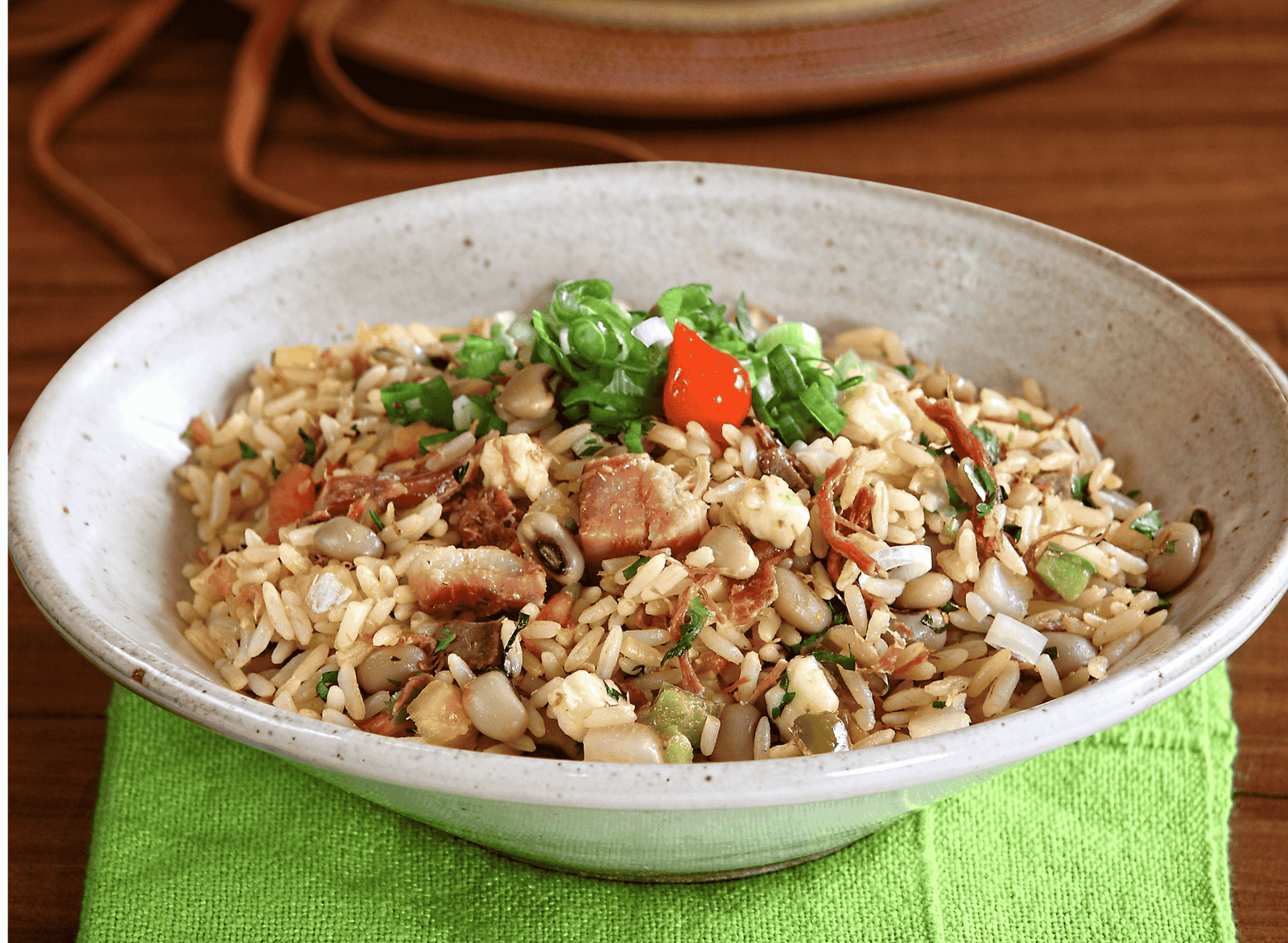 Easy
📜 Story
Easy
📜 Story
Baião de Dois
Rice and Beans with Cheese
Lunch, everyday meal in the Northeast
Comments (0)
Log in to leave a comment.
No comments yet. Be the first to share your thoughts!