
A silky, spiced porridge of white corn kernels slow-simmered in coconut milk until tender and creamy, perfumed with cinnamon and clove, topped with roasted peanuts — Brazil's beloved winter dessert.
Nutrition & Info
Allergen Warnings
Equipment Needed
Presentation Guide
Vessel: ceramic bowl
Garnishes: roasted peanuts, ground cinnamon
Accompaniments: quentão (spiced cachaça drink)
Instructions
-
1
Soak white corn kernels overnight in water. Drain and rinse.
-
2
Place corn in a large pot with water and bring to a boil. Reduce heat and simmer for 1-1.5 hours until kernels are tender and beginning to split.
-
3
Add coconut milk, sugar, cinnamon sticks, cloves, and salt. Stir well.
-
4
Continue simmering for 30-40 minutes, stirring regularly to prevent sticking, until the porridge is thick and creamy.
-
5
Remove cinnamon sticks and cloves.
-
6
Serve warm or cold in bowls, topped with roasted peanuts and a dusting of ground cinnamon.
Did You Know?
During festas juninas, canjica is served alongside dozens of other corn-based treats, because the June festivals coincide with the corn harvest in Brazil.
Chef's Notes
Equipment Tips
- large heavy pot
- wooden spoon
Garnishing
roasted peanuts, ground cinnamon
Accompaniments
quentão (spiced cachaça drink)
The Story Behind Canjica
Canjica combines indigenous corn cultivation traditions with Portuguese sugar and African coconut milk cooking techniques, making it a true symbol of Brazil's multicultural cuisine. The dish is inseparable from festas juninas, the beloved harvest festivals celebrated throughout Brazil in June with bonfires, quadrilha dancing, and an abundance of corn dishes.
More Brazilian Dishes
 Easy
📜 Story
Easy
📜 Story
Açaí na Tigela
Açaí Bowl
Breakfast, post-workout, afternoon snack Hard
📜 Story
Hard
📜 Story
Acarajé
Black-Eyed Pea Fritters
Afternoon street snack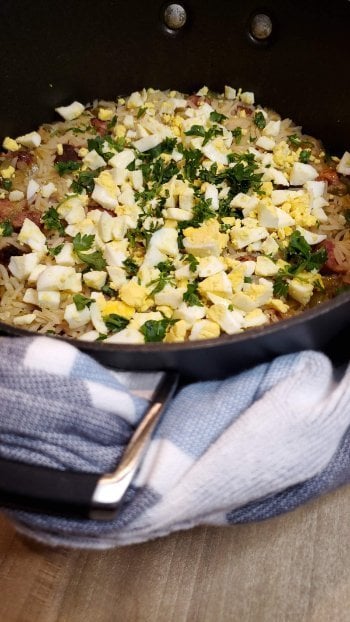 Easy
📜 Story
Easy
📜 Story
Arroz Carreteiro
Wagoner's Rice
Lunch, hearty everyday meal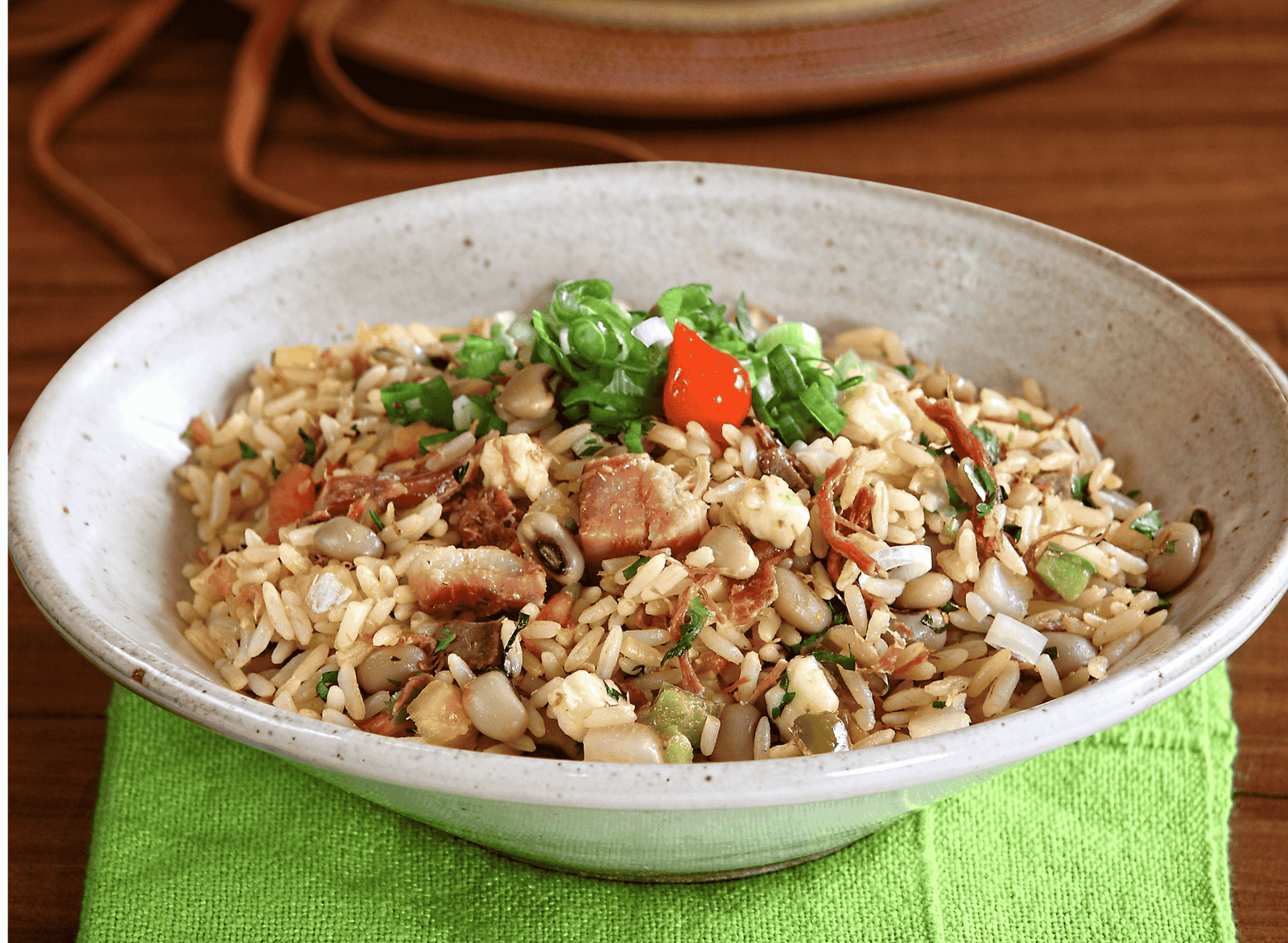 Easy
📜 Story
Easy
📜 Story
Baião de Dois
Rice and Beans with Cheese
Lunch, everyday meal in the Northeast
Comments (0)
Log in to leave a comment.
No comments yet. Be the first to share your thoughts!