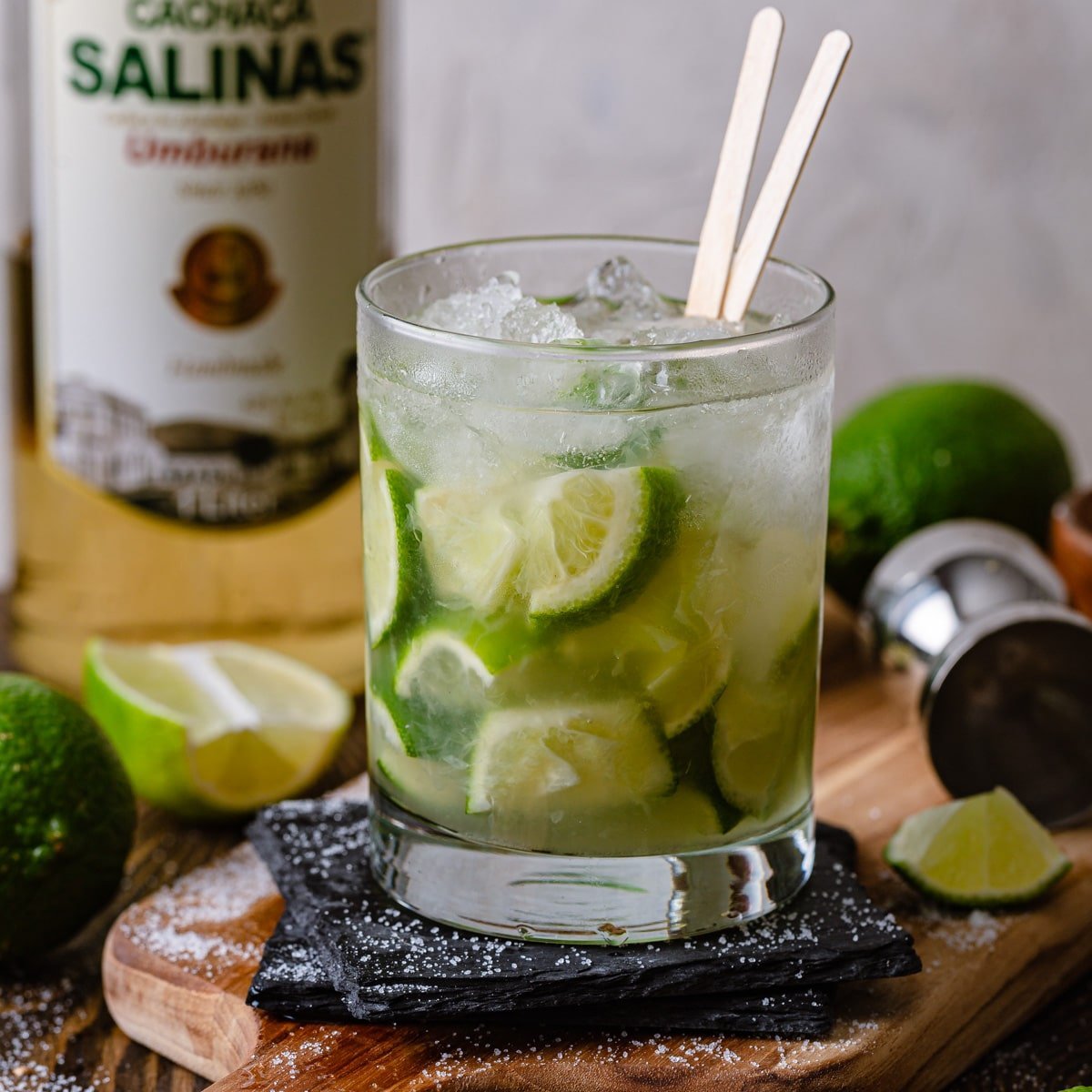
Brazil's national cocktail — muddled fresh lime with sugar and cachaça over crushed ice, deceptively simple and dangerously refreshing, with the herbaceous bite of sugarcane spirit cutting through the citrus.
Nutrition & Info
Equipment Needed
Presentation Guide
Vessel: old-fashioned glass
Garnishes: lime wedge, sugarcane stick
Accompaniments: petiscos (bar snacks)
Instructions
-
1
Cut the lime into 8 small wedges, removing the white pith from the center (it causes bitterness).
-
2
Place lime wedges in a sturdy glass. Add sugar.
-
3
Muddle firmly but not aggressively — press and twist to extract juice and oils without shredding the peel.
-
4
Add cachaça and stir to dissolve the sugar.
-
5
Fill the glass with crushed ice and stir once more.
-
6
Serve immediately in the same glass. Do not strain — the lime pieces stay in the drink.
Did You Know?
The caipirinha originated as a medicinal remedy — lime, garlic, and honey mixed with cachaça was a folk cure for the Spanish Flu in rural São Paulo in 1918. The garlic and honey were eventually dropped.
Chef's Notes
Equipment Tips
- old-fashioned glass
- muddler
- cutting board
Garnishing
lime wedge, sugarcane stick
Accompaniments
petiscos (bar snacks)
The Story Behind Caipirinha
The caipirinha evolved from folk remedies in the sugarcane-growing regions of São Paulo state in the early 20th century. Cachaça, Brazil's native sugarcane spirit distilled since the 16th century, was traditionally a drink of the working class. The caipirinha elevated cachaça to international fame and was declared Brazil's official national cocktail. Today, premium cachaças rival fine rums and aged spirits.
More Brazilian Dishes
 Easy
📜 Story
Easy
📜 Story
Açaí na Tigela
Açaí Bowl
Breakfast, post-workout, afternoon snack Hard
📜 Story
Hard
📜 Story
Acarajé
Black-Eyed Pea Fritters
Afternoon street snack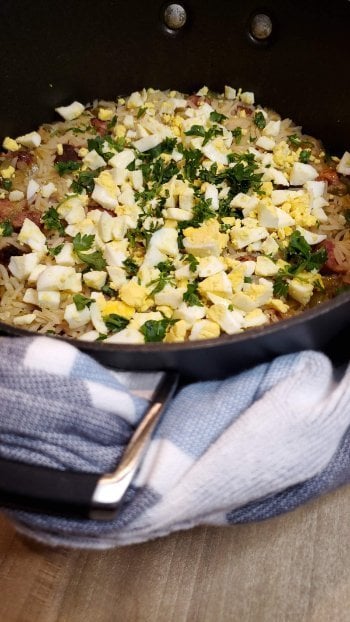 Easy
📜 Story
Easy
📜 Story
Arroz Carreteiro
Wagoner's Rice
Lunch, hearty everyday meal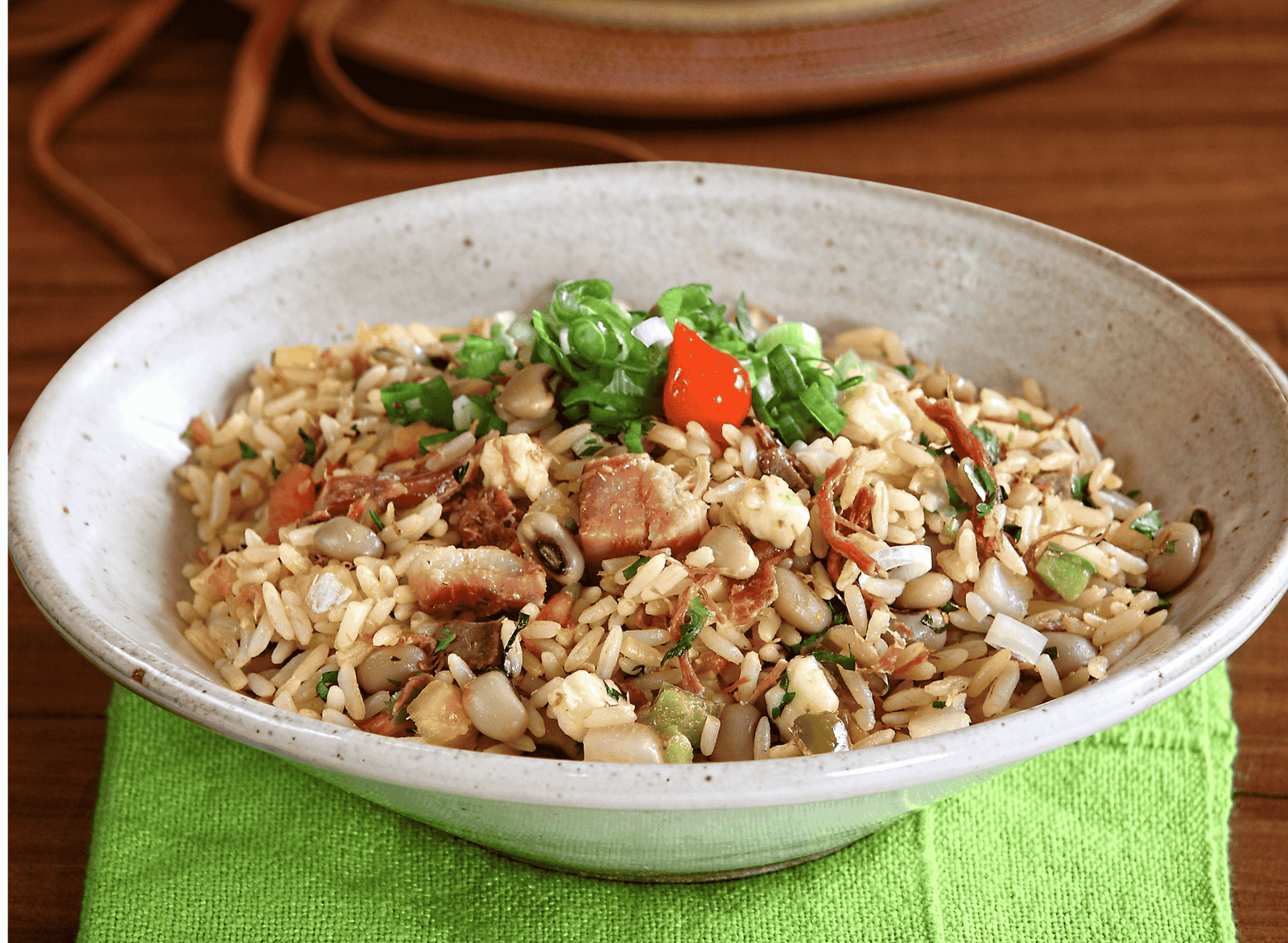 Easy
📜 Story
Easy
📜 Story
Baião de Dois
Rice and Beans with Cheese
Lunch, everyday meal in the Northeast
Comments (0)
Log in to leave a comment.
No comments yet. Be the first to share your thoughts!