
A massive platter of sliced beef, sausage, fries, onions, tomatoes, and locoto peppers. Bolivia's ultimate sharing dish.
Instructions
-
1
Cut the potatoes into thick batons about one centimetre wide. Heat oil for deep-frying to 175C (350F) and fry the potatoes in batches until golden brown and crispy on the outside and fluffy within, about five to six minutes per batch. Drain on paper towels and season with salt.
-
2
Season the sliced beef sirloin with cumin, salt, and pepper. Heat one tablespoon of oil in a large heavy skillet over the highest possible heat. Sear the beef strips for one to two minutes per side until well browned but still slightly pink inside.
-
3
Remove the beef and add the remaining oil to the same skillet. Fry the sausage rounds for three to four minutes, turning once, until browned and heated through. The sausage fat will add flavour to the pan for the vegetables.
-
4
Add the sliced onions to the skillet with the sausage drippings and cook for two to three minutes until just softened but still crunchy. Add the sliced locoto or jalapeño peppers and cook for one more minute until fragrant.
-
5
Begin assembling the pique macho on a large oval platter. Spread all the crispy fries as a base layer across the entire platter — this foundation should be generous and form a complete bed for the toppings above.
-
6
Pile the seared beef strips and fried sausage rounds over the fries. Scatter the cooked onions, peppers, and fresh tomato slices on top. Arrange the quartered hard-boiled eggs around the platter and drizzle with ketchup and mustard.
-
7
Serve the pique macho immediately in the centre of the table for sharing, with plenty of cold beer alongside. The traditional Bolivian way is for everyone to eat directly from the communal platter using forks or bread to scoop up the layers.
Did You Know?
Pique macho was invented in Cochabamba and is the classic late-night after-party food.
The Story Behind Pique Macho
The Story: Pique macho is Bolivia's ultimate sharing platter: a mountain of sliced beef, chopped sausage, french fries, onions, tomatoes, locoto peppers, hard-boiled eggs, and sometimes olives, piled high on a serving plate and meant to be devoured communally. Created in the 1970s at Restaurant Miraflores in Cochabamba, the dish was reportedly invented when late-night customers challenged the cook to create something bold and substantial. The name translates roughly to spicy and manly, reflecting the macho bravado of the dish's generous, piled-high presentation.
On the Calendar: Pique macho is party food, late-night food, and celebration food. It appears at gatherings, after football matches, and during Carnival season. It is meant to be shared by a group.
Then & Now: What began as an improvised late-night creation has become one of Bolivia's most recognizable dishes, served in restaurants across the country with regional variations in toppings and spice levels.
Legacy: Pique macho is the edible embodiment of Bolivian generosity and bravado, a dish that refuses moderation and demands community.
More Bolivian Dishes
 Medium
📜 Story
Medium
📜 Story
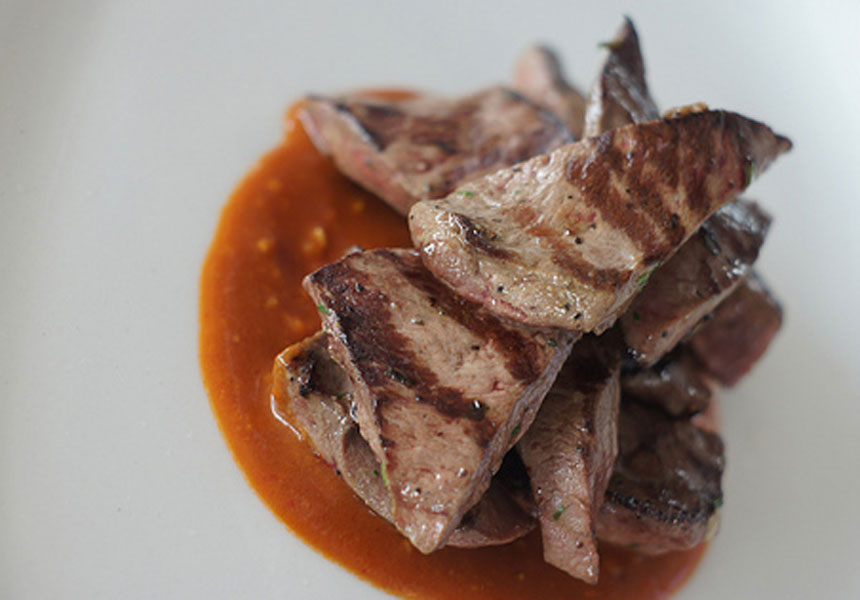
Anticuchos
Grilled Beef Heart Skewers
Street food, evenings, festivals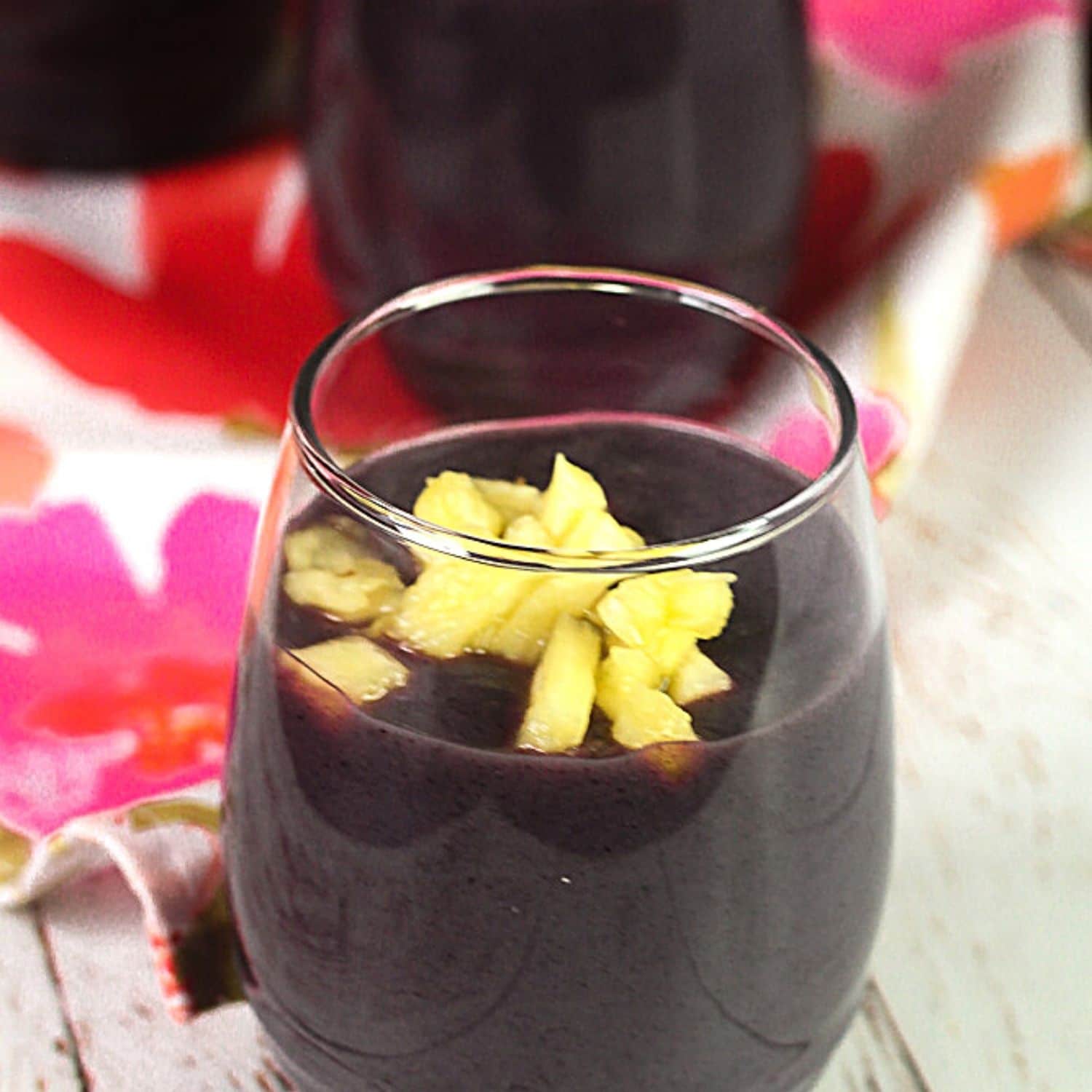 Medium
📜 Story
Medium
📜 Story
Api con Pasteles
Purple Corn Drink with Cheese Pastries
Breakfast, cold mornings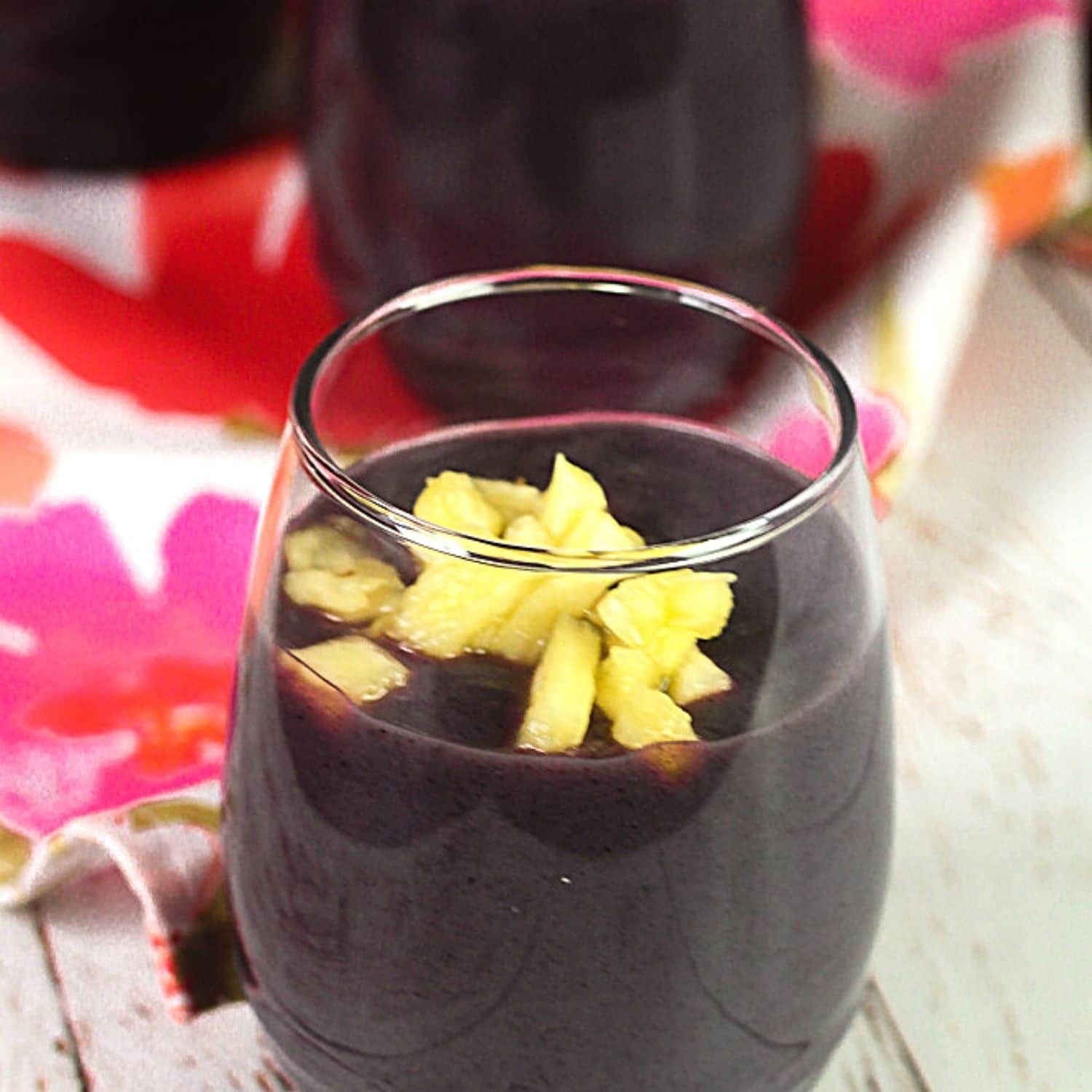 Easy
📜 Story
Easy
📜 Story
Api Morado
Purple Corn Hot Drink
Breakfast, cold mornings Easy
📜 Story
Easy
📜 Story
Buñuelos Bolivianos
Bolivian Fried Dough with Syrup
Christmas, Carnival, breakfast
Comments (0)
Log in to leave a comment.
No comments yet. Be the first to share your thoughts!