
Speculoos
Speculoos / Speculaas (SPEH-kyoo-lohs)
Belgian Spiced Biscuits
Thin, crunchy caramelised biscuits spiced with cinnamon, nutmeg, cloves, and ginger, stamped into intricate shapes — the cookie that became a global phenomenon as a spread.
Nutrition & Info
Allergen Warnings
Equipment Needed
Presentation Guide
Vessel: ceramic cookie jar or plate
Garnishes: powdered sugar dust
Accompaniments: strong coffee, hot chocolate
Instructions
-
1
Cream butter and brown sugar until fluffy. Beat in the egg.
-
2
Whisk flour, all spices, baking soda, and salt together. Add to butter mixture with milk. Mix until a smooth dough forms.
-
3
Wrap dough and refrigerate at least 1 hour until firm.
-
4
Roll dough to 3mm thick on a floured surface. Cut with decorative moulds or cookie cutters.
-
5
Place on lined baking sheets. Bake at 180°C (350°F) for 10-12 min until deep golden brown.
-
6
Cool completely on wire racks. Store in an airtight tin. Serve with coffee or crush into speculoos spread.
Did You Know?
Lotus Biscoff, the world's most famous speculoos brand, produces over 3 billion biscuits per year at their factory in Lembeke, Belgium.
Chef's Notes
Equipment Tips
- mixing bowl
- rolling pin
- cookie cutters
- baking sheet
Garnishing
powdered sugar dust
Accompaniments
strong coffee, hot chocolate
The Story Behind Speculoos
Speculoos emerged in the Low Countries in the 17th century as a St. Nicholas Day treat. The name may derive from the Latin "speculum" (mirror), referring to the carved wooden moulds that impress intricate designs onto the dough. Belgium transformed this seasonal cookie into a year-round obsession.
More Belgian Dishes
 Easy
📜 Story
Easy
📜 Story
Belgian Frites
Double-Fried Belgian Fries
Anytime, especially with stews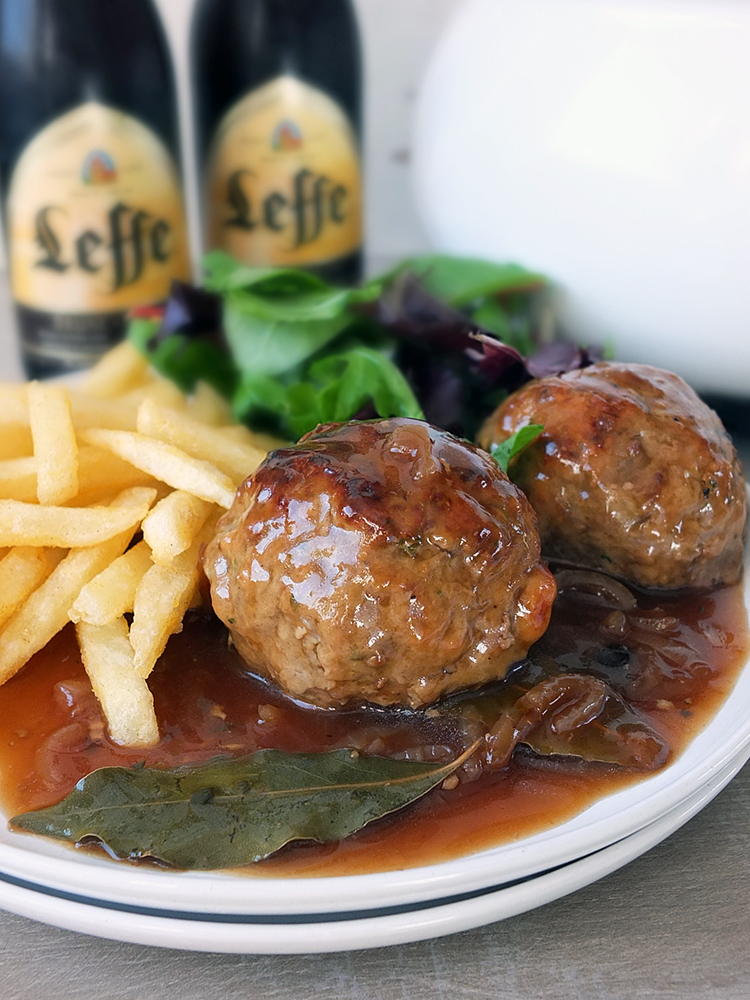 Medium
📜 Story
Medium
📜 Story
Boulets à la Liégeoise
Liège Meatballs in Sweet-Sour Sauce
Lunch or dinner Medium
📜 Story
Medium
📜 Story
Carbonade Flamande
Flemish Beef Stew
Dinner, cold weather Medium
📜 Story
Medium
📜 Story
Coucou de Malines
Mechelen Cuckoo Chicken
Sunday lunch
Comments (0)
Log in to leave a comment.
No comments yet. Be the first to share your thoughts!