
Plump mussels steamed in white wine, celery, and shallots, served with golden double-fried Belgian frites.
Nutrition & Info
Allergen Warnings
Equipment Needed
Presentation Guide
Vessel: black enamel pot with side basket
Garnishes: fresh parsley, lemon wedge
Accompaniments: mayonnaise, Belgian frites
Instructions
-
1
Start the frites first. Cut the peeled potatoes into batons about one centimetre thick and eight centimetres long. Rinse them thoroughly in cold water to remove surface starch, then pat completely dry with clean tea towels.
-
2
Heat the frying oil to 150C (300F) in a deep heavy pot or fryer. Blanch the potato batons in small batches for six to eight minutes until they are cooked through and pale without any colour. Remove and drain on a wire rack. This first fry can be done hours ahead.
-
3
Sort through the mussels, discarding any that are cracked, broken, or that remain open when tapped sharply on the counter. Pull off any remaining beards. Rinse the mussels in several changes of cold water to remove grit and sand.
-
4
Melt the butter in a very large lidded pot over medium heat. Add the diced shallots, celery, and garlic, cooking gently for three to four minutes until softened and fragrant but not browned.
-
5
Turn the heat to high, pour in the white wine, and let it bubble for thirty seconds. Tip in all the mussels at once, cover tightly with the lid, and cook for five to seven minutes, shaking the pot vigorously two or three times during cooking.
-
6
The mussels are done when they have all opened. Discard any that remain stubbornly closed after cooking. Stir the chopped parsley through the mussel cooking broth, which will have become a wonderfully flavourful liquor.
-
7
While the mussels cook, reheat the frying oil to 190C (375F) for the second fry. Fry the blanched potato batons again in batches for two to three minutes until they are deeply golden, crispy on the outside, and fluffy within.
-
8
Serve the mussels immediately in their pot or in deep warmed bowls, with the aromatic broth poured over. Place the frites in a separate cone or bowl alongside, with a ramekin of homemade mayonnaise for dipping the frites.
Did You Know?
Belgians insist their frites are superior to French fries — they are double-fried and served with mayo, not ketchup.
Chef's Notes
Equipment Tips
- large pot with lid
- deep fryer or heavy pot
- colander
Garnishing
fresh parsley, lemon wedge
Accompaniments
mayonnaise, Belgian frites
The Story Behind Moules-Frites
The Story: Moules-frites is Belgium's most iconic dish: plump mussels steamed in white wine, shallots, celery, and herbs, served in the cooking pot alongside a mountain of golden, double-fried Belgian frites. Belgium and France both claim the dish, but Belgium's version is distinguished by its generous portions and the quality of its frites, which are cut thick and fried twice in beef tallow for a crispy exterior and fluffy interior. Belgian mussel cultivation dates to the medieval period, and the pairing with fried potatoes emerged in the nineteenth century.
On the Calendar: Moules-frites is traditionally eaten from September through April, following the old rule that mussels are best in months containing the letter R. The mussel season opening is a celebrated event.
Then & Now: While purists insist on the classic white wine preparation (moules mariniere), Belgian restaurants now offer dozens of variations including beer, cream, curry, and Thai-inspired broths.
Legacy: Moules-frites is the dish that best captures Belgian food philosophy: excellent ingredients, generous portions, communal eating, and a refusal to choose between elegance and abundance.
More Belgian Dishes
 Easy
📜 Story
Easy
📜 Story
Belgian Frites
Double-Fried Belgian Fries
Anytime, especially with stews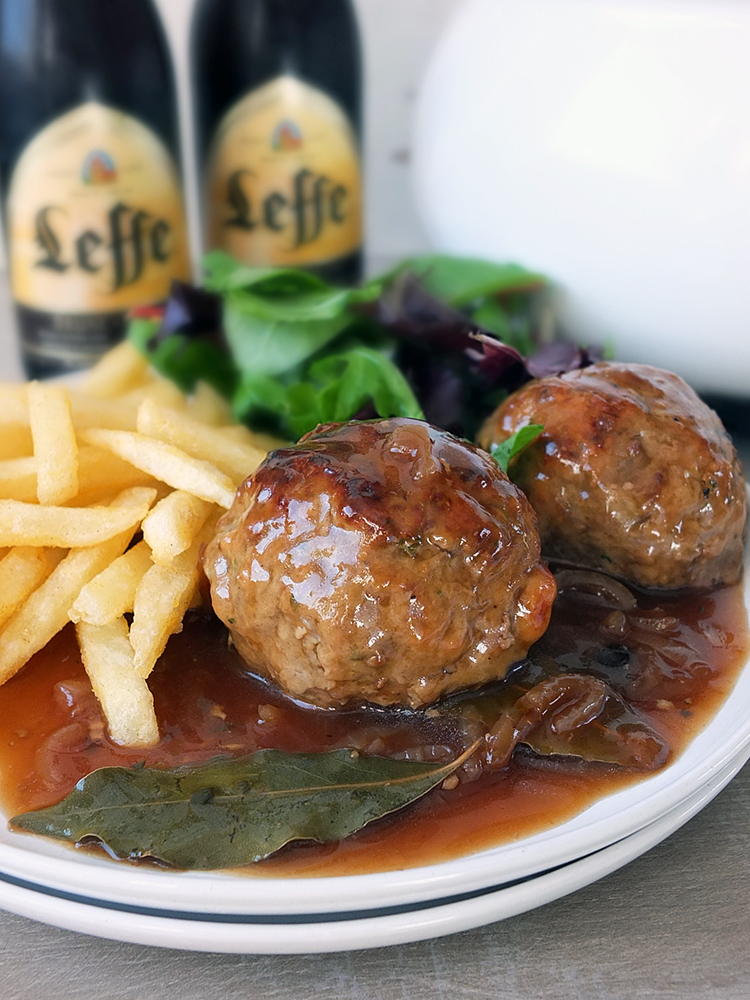 Medium
📜 Story
Medium
📜 Story
Boulets à la Liégeoise
Liège Meatballs in Sweet-Sour Sauce
Lunch or dinner Medium
📜 Story
Medium
📜 Story
Carbonade Flamande
Flemish Beef Stew
Dinner, cold weather Medium
📜 Story
Medium
📜 Story
Coucou de Malines
Mechelen Cuckoo Chicken
Sunday lunch
Comments (0)
Log in to leave a comment.
No comments yet. Be the first to share your thoughts!