
Carbonade Flamande
Carbonade flamande (kar-boh-NAD flah-MAHND)
Flemish Beef Stew
Beef slow-braised in Belgian dark beer with onions, mustard, and bread until meltingly tender. Pure Flemish comfort.
Nutrition & Info
Allergen Warnings
Equipment Needed
Presentation Guide
Vessel: deep stoneware bowl
Garnishes: fresh thyme sprigs
Accompaniments: crusty bread, steamed potatoes
Instructions
-
1
Pat the beef cubes completely dry with paper towels and season generously with salt and pepper. Heat the oil in a large Dutch oven over high heat. Brown the beef in batches without crowding, searing each piece for two minutes per side until a dark crust forms.
-
2
Remove all the browned beef to a plate. Reduce the heat to medium, add the sliced onions to the pot, and cook for fifteen to twenty minutes, stirring occasionally, until they are deeply caramelised and sweet, scraping up all the fond from the beef.
-
3
Return the beef and any accumulated juices to the pot. Pour in the Belgian ale, scraping the bottom to deglaze completely. Add the brown sugar, cider vinegar, thyme sprigs, and bay leaves. The vinegar and sugar create the dish's signature sweet-sour balance.
-
4
Spread the Dijon mustard thickly on both sides of the bread slices and lay them directly on top of the stew. The mustard-soaked bread will dissolve during cooking, naturally thickening the sauce and adding a subtle mustard warmth throughout.
-
5
Bring the stew to a gentle simmer, then cover with a tight-fitting lid and transfer to an oven preheated to 160C (320F). Cook undisturbed for two and a half to three hours until the beef is meltingly tender and falls apart with a fork.
-
6
Remove the pot from the oven, discard the thyme sprigs and bay leaves. Stir the stew gently — the bread will have completely dissolved into the gravy. Taste and adjust the seasoning, adding more vinegar for sharpness or sugar for sweetness.
-
7
Serve the carbonade in deep warmed bowls alongside a generous pile of double-fried Belgian frites and a pot of mayonnaise. This stew tastes even better reheated the next day, as the flavours deepen and meld overnight in the refrigerator.
Did You Know?
The beer used in carbonade is typically a Belgian dubbel or dark abbey ale.
Chef's Notes
Equipment Tips
- dutch oven
- sharp knife
- cutting board
Garnishing
fresh thyme sprigs
Accompaniments
crusty bread, steamed potatoes
The Story Behind Carbonade Flamande
The Story: Carbonade flamande (Vlaamse stoofcarbonnade) is Belgium's quintessential beef stew: chunks of beef slow-braised in Belgian dark beer with caramelized onions, a smear of mustard, and a slice of bread spread with more mustard pressed into the sauce to thicken it. The dish is pure Flemish comfort, born from the agricultural north where cattle farming and brewing traditions intersect. Unlike French boeuf bourguignon which uses wine, carbonade proudly substitutes Belgium's world-class beer, creating a deeper, more complex sweetness.
On the Calendar: Carbonade is cold-weather fare, served from autumn through winter as a family dinner staple. It appears at brasseries and home tables alike throughout Flanders and Brussels.
Then & Now: The essential recipe has changed little over centuries. Modern cooks debate which beer is best (a dark abbey ale is traditional), but the technique of slow braising in beer with mustard and bread remains sacred.
Legacy: Carbonade flamande is Belgium's answer to every beef stew on earth: use beer instead of wine, and you will create something darker, sweeter, and more satisfying.
More Belgian Dishes
 Easy
📜 Story
Easy
📜 Story
Belgian Frites
Double-Fried Belgian Fries
Anytime, especially with stews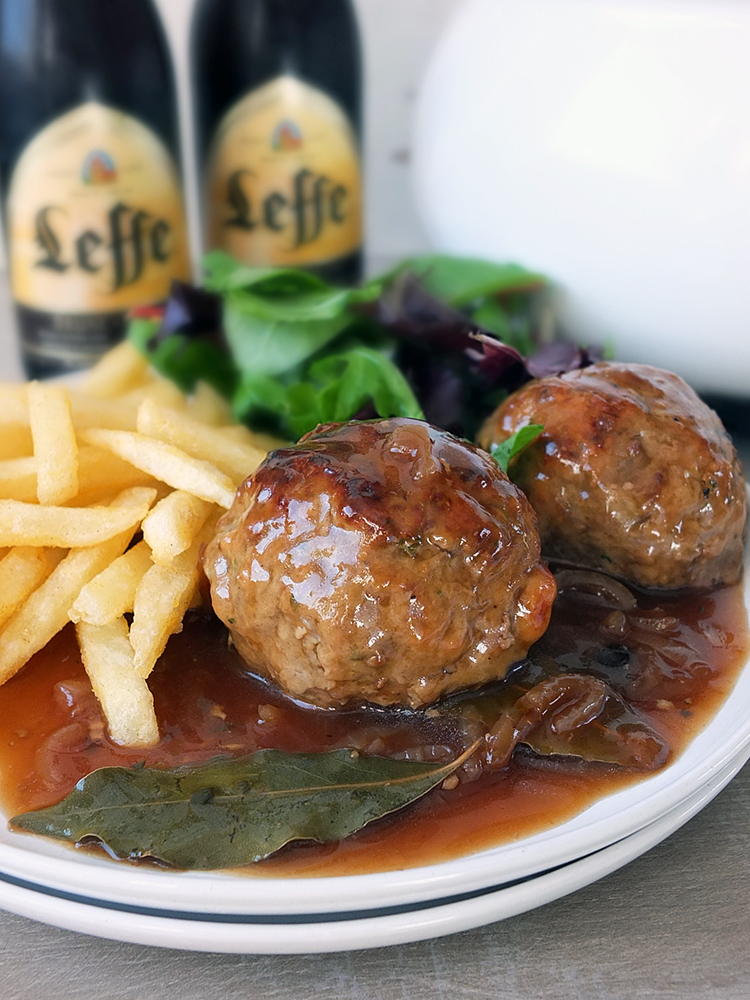 Medium
📜 Story
Medium
📜 Story
Boulets à la Liégeoise
Liège Meatballs in Sweet-Sour Sauce
Lunch or dinner Medium
📜 Story
Medium
📜 Story
Coucou de Malines
Mechelen Cuckoo Chicken
Sunday lunch Hard
📜 Story
Hard
📜 Story
Croquettes aux Crevettes
Shrimp Croquettes
Starter or lunch
Comments (0)
Log in to leave a comment.
No comments yet. Be the first to share your thoughts!