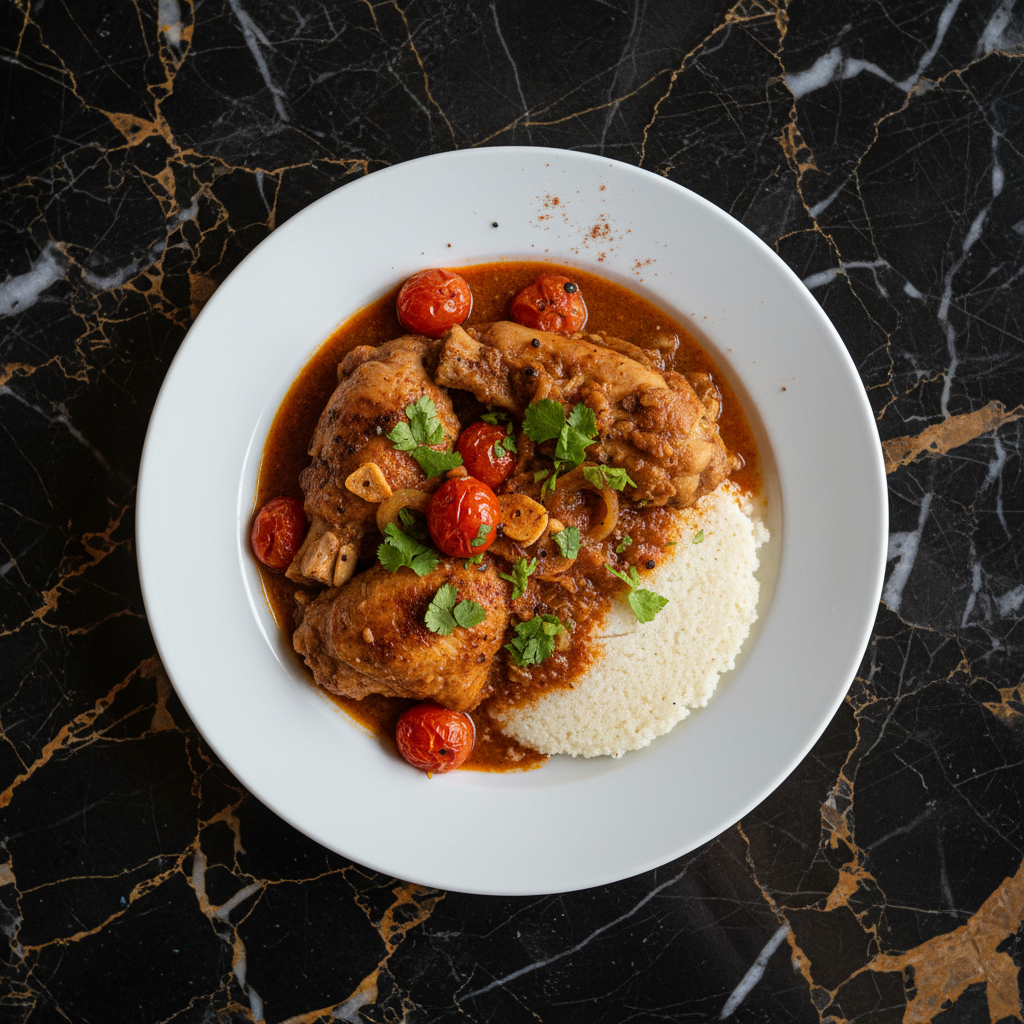
Sesotho Chicken Stew
Khoho ea Sesotho (KHO-hoh eh-ah seh-SOH-toh)
Traditional Basotho Chicken Stew
A richly flavored free-range chicken stew simmered with tomatoes, onions, and potatoes. This celebratory dish is reserved for important occasions and honored guests in Basotho culture.
Nutrition & Info
Equipment Needed
Instructions
-
1
Season chicken pieces with salt, pepper, and curry powder
-
2
Heat oil in a cast iron pot over medium-high heat
-
3
Brown chicken pieces on all sides, set aside
-
4
Sauté onions and garlic until golden
-
5
Add tomatoes and cook until softened
-
6
Return chicken to pot, add water
-
7
Simmer covered for 40 minutes
-
8
Add potatoes and cook another 25 minutes until tender
-
9
Adjust seasoning and serve hot
Did You Know?
In traditional Basotho culture, the chicken thigh is reserved for the father, the breast for the mother, and the wings for children. Serving chicken to a guest is considered the highest form of hospitality.
Chef's Notes
Equipment Tips
- large cast iron pot
- wooden spoon
- knife
The Story Behind Sesotho Chicken Stew
Chicken has long held a special place in Basotho culture, where free-range birds are raised in nearly every rural household. Unlike daily staples, chicken stew was historically reserved for celebrations, ancestral ceremonies, and welcoming important visitors.
The dish evolved during the reign of King Moshoeshoe I, who is said to have served elaborate chicken feasts to visiting dignitaries. The addition of tomatoes and potatoes came with European contact in the 19th century.
Today, Sesotho chicken stew remains the centerpiece of family gatherings, weddings, and holidays, prepared with the same reverence as it was generations ago.
More Basotho (Lesotho) Dishes
 Easy
📜 Story
Easy
📜 Story
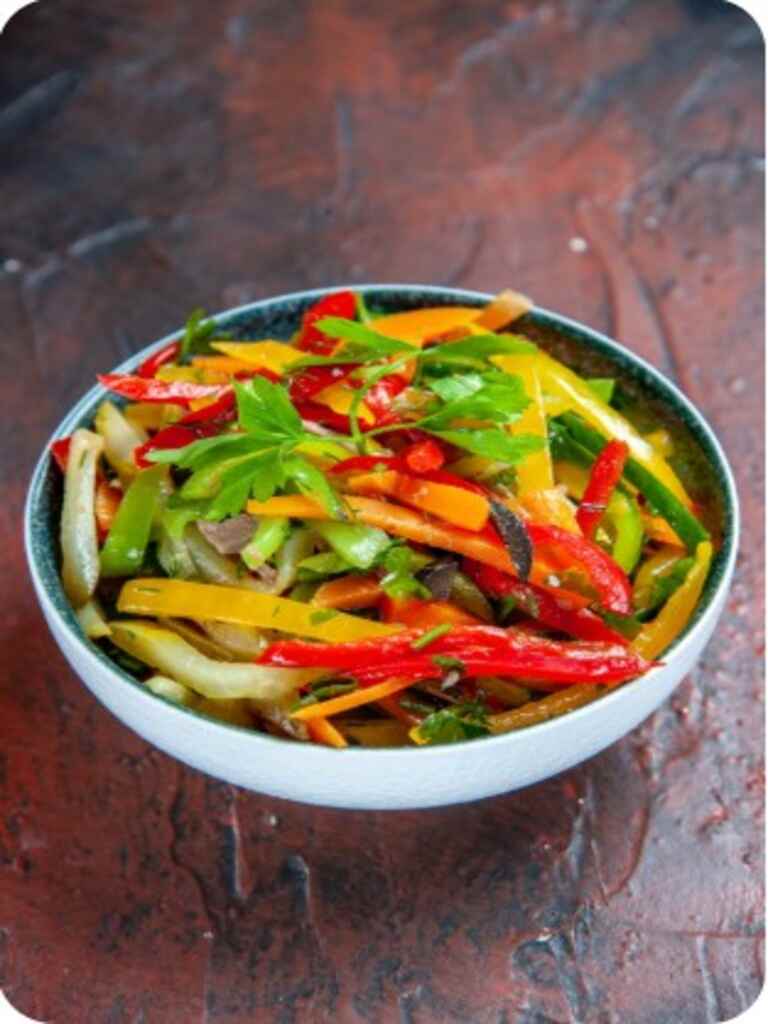
Chakalaka
Spicy Vegetable Relish
Accompaniment to any meal Hard
📜 Story
Hard
📜 Story
Joala ba Sesotho
Traditional Sorghum Beer
Ceremonies, community gatherings, celebrations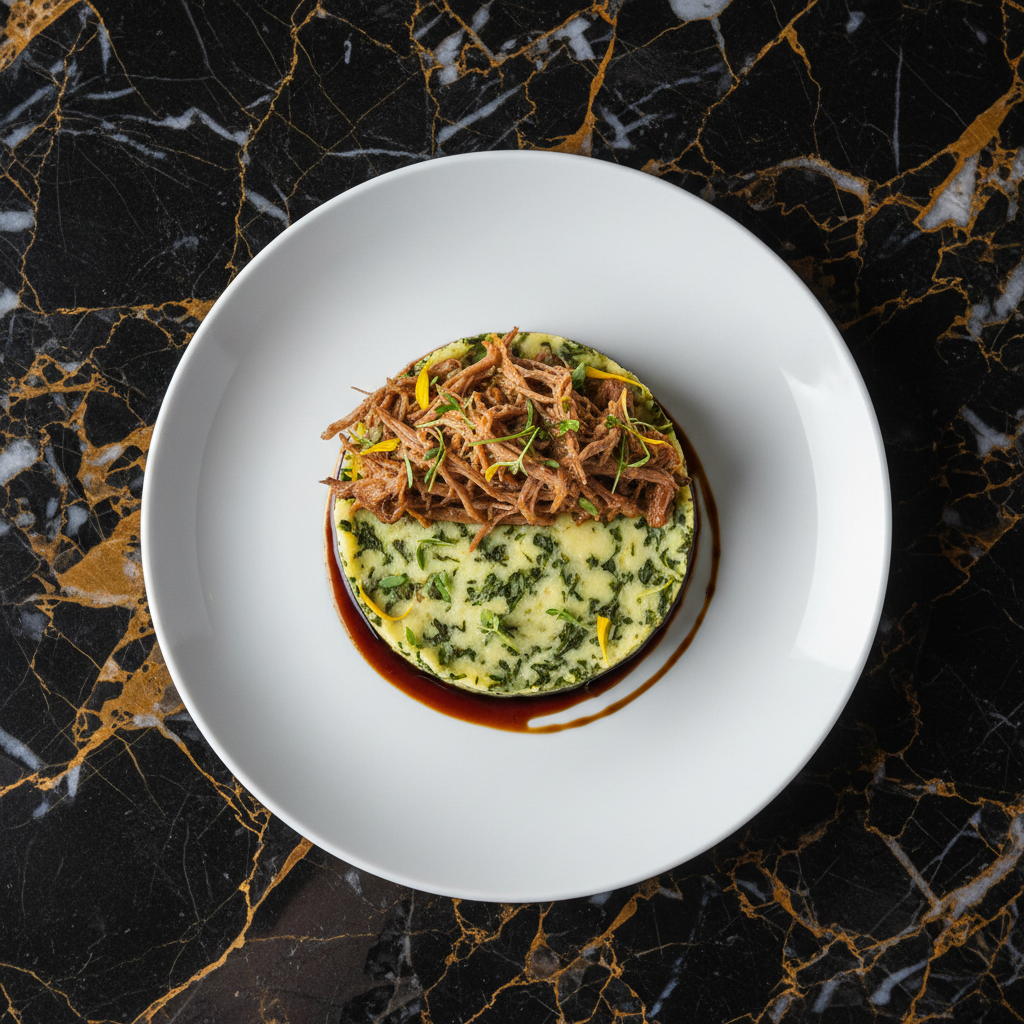 Easy
📜 Story
Easy
📜 Story
Lekhotloane
Roasted Corn on the Cob
Afternoon snack, harvest season Medium
📜 Story
Medium
📜 Story
Lepu
Basotho Steamed Bread
Served with stews at celebrations
Comments (0)
Log in to leave a comment.
No comments yet. Be the first to share your thoughts!