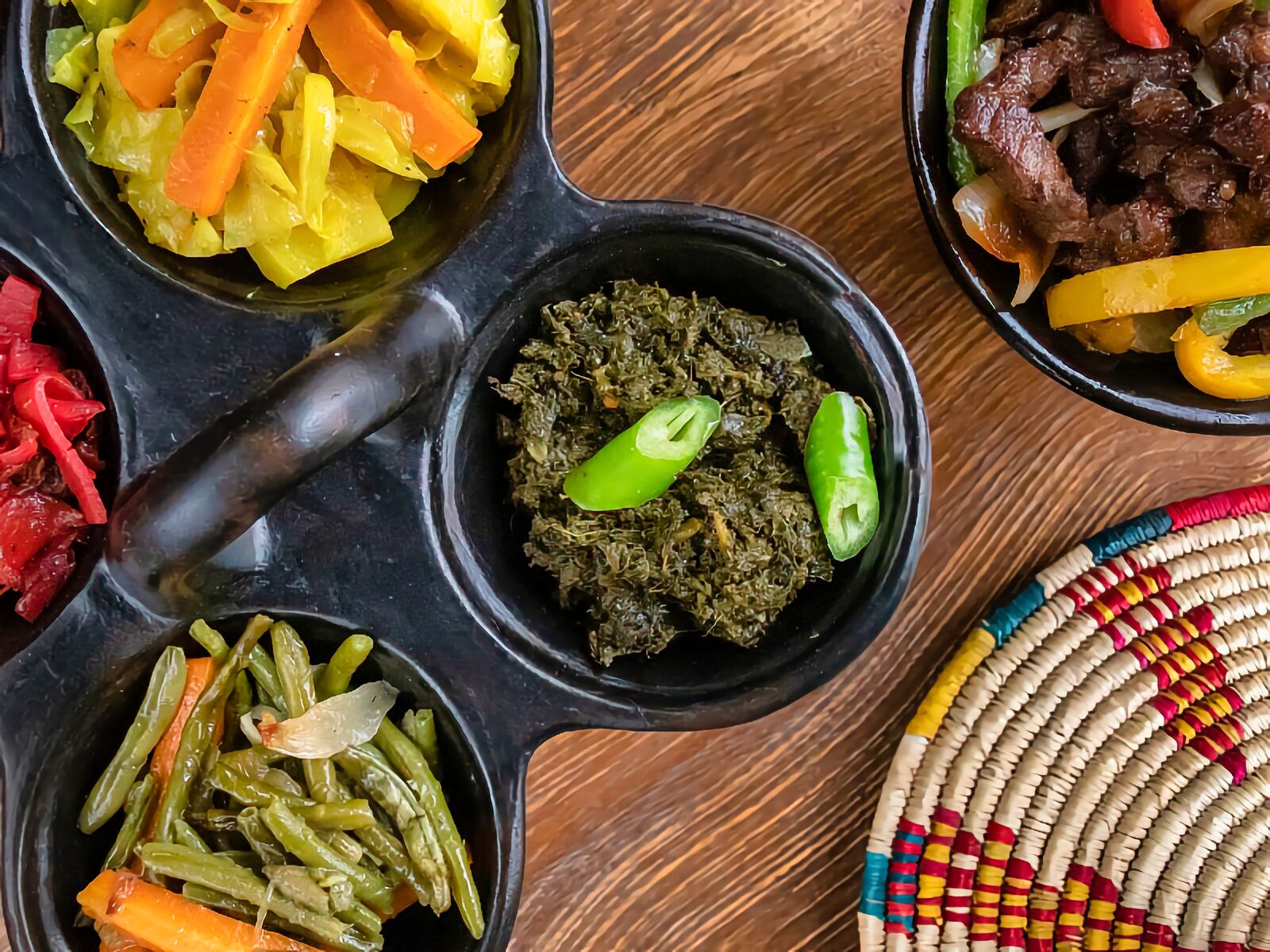
Beef intestines meticulously cleaned and slow-simmered with onions, tomatoes, and aromatic spices until tender and richly flavored. A traditional delicacy that showcases the Basotho mastery of offal cookery.
Nutrition & Info
Equipment Needed
Instructions
-
1
Clean intestines thoroughly with salt, vinegar, and water (multiple rinses)
-
2
Cut cleaned intestines into 5cm pieces
-
3
Boil in salted water for 1 hour, drain
-
4
Heat oil in a clean pot, sauté onions and garlic
-
5
Add tomatoes, curry powder, and paprika
-
6
Cook sauce for 10 minutes
-
7
Add pre-boiled intestines and fresh water
-
8
Simmer covered for 2 hours until very tender
-
9
Season with salt and pepper
-
10
Serve hot with papa
Did You Know?
The cleaning of mogudu can take longer than the cooking itself. Experienced cooks use coarse salt, vinegar, and multiple rinses to ensure impeccable cleanliness. A poorly cleaned mogudu is considered a culinary disgrace.
Chef's Notes
Equipment Tips
- large pot
- knife
- cutting board
- colander
The Story Behind Mogudu
Mogudu preparation represents some of the most skilled offal cookery in southern Africa. In Basotho culture, the ability to properly clean and cook intestines was a measure of culinary competence, taught through years of apprenticeship.
The dish was historically prepared only after a communal cattle slaughter, making it a rare and anticipated treat. The cleaning was a group activity, with experienced women teaching younger ones the proper techniques.
Urban migration has made mogudu more accessible, with it now available in restaurants and butcher shops throughout Lesotho, but the best versions are still said to come from village kitchens.
More Basotho (Lesotho) Dishes
 Easy
📜 Story
Easy
📜 Story
Chakalaka
Spicy Vegetable Relish
Accompaniment to any meal Hard
📜 Story
Hard
📜 Story
Joala ba Sesotho
Traditional Sorghum Beer
Ceremonies, community gatherings, celebrations Easy
📜 Story
Easy
📜 Story
Lekhotloane
Roasted Corn on the Cob
Afternoon snack, harvest season Medium
📜 Story
Medium
📜 Story
Lepu
Basotho Steamed Bread
Served with stews at celebrations
Comments (0)
Log in to leave a comment.
No comments yet. Be the first to share your thoughts!