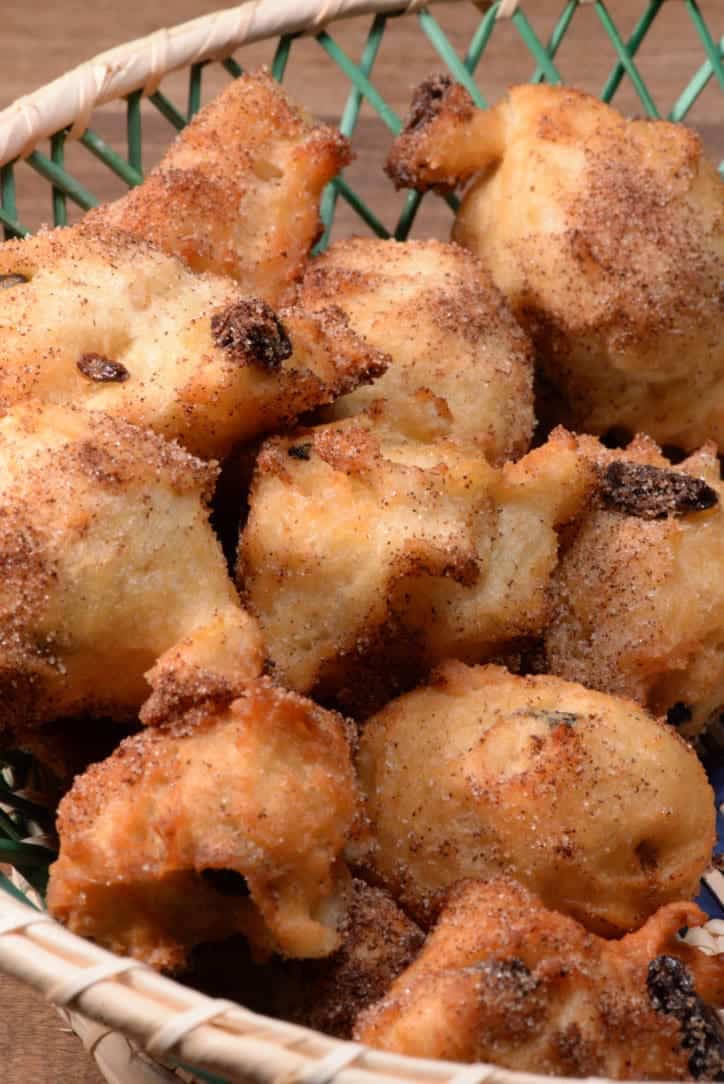
Makoenya a Pampoenkoekies
Makoenya a Mokopu (mah-koh-EH-nyah ah moh-KOH-poo)
Pumpkin Fritters
Sweet, golden pumpkin fritters spiced with cinnamon and nutmeg. These tender, cakey fritters make use of Lesotho's abundant pumpkin harvest and are a favorite teatime treat.
Nutrition & Info
Allergen Warnings
Equipment Needed
Instructions
-
1
Mix mashed pumpkin with egg and sugar
-
2
Sift in flour, baking powder, cinnamon, nutmeg, and salt
-
3
Stir until just combined — don't overmix
-
4
Heat 2cm oil in a frying pan to 170°C
-
5
Drop tablespoons of batter into hot oil
-
6
Fry 2-3 minutes per side until golden brown
-
7
Drain on paper towels
-
8
Roll in cinnamon sugar while warm
-
9
Serve warm or at room temperature
Did You Know?
Basotho grandmothers claim the key to perfect pumpkin fritters is using pumpkin that has been stored for at least a month after harvest, as the starches convert to sugars, making the fritters naturally sweeter.
Chef's Notes
Equipment Tips
- mixing bowl
- frying pan
- slotted spoon
The Story Behind Makoenya a Pampoenkoekies
Pumpkin fritters emerged as a creative sweet treat in Basotho kitchens during the 20th century, when cooking oil and wheat flour became widely available. The combination of indigenous pumpkin with imported ingredients created a new tradition.
The fritters became associated with afternoon tea, a custom adopted from British colonial influence that the Basotho made their own. Women would gather for tea and fritters, creating a social ritual that persists today.
These fritters represent the adaptive creativity of Basotho cooking, transforming humble local ingredients into refined treats.
More Basotho (Lesotho) Dishes
 Easy
📜 Story
Easy
📜 Story
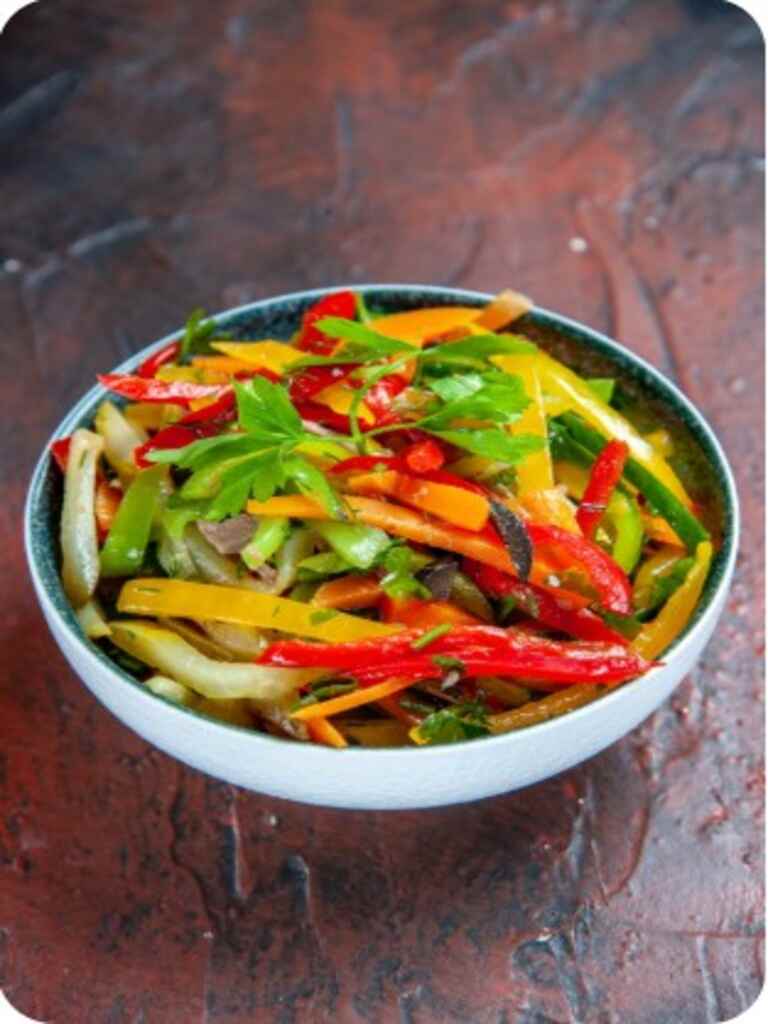
Chakalaka
Spicy Vegetable Relish
Accompaniment to any meal Hard
📜 Story
Hard
📜 Story
Joala ba Sesotho
Traditional Sorghum Beer
Ceremonies, community gatherings, celebrations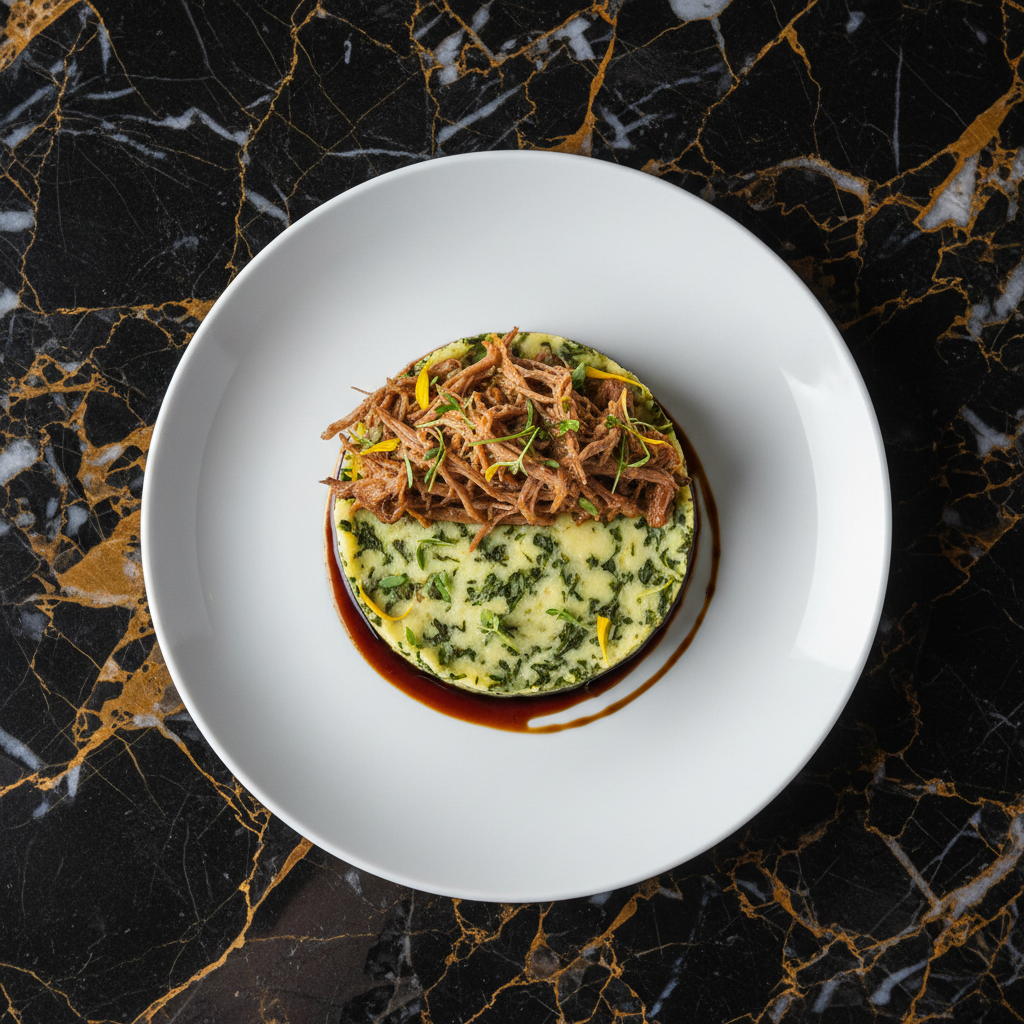 Easy
📜 Story
Easy
📜 Story
Lekhotloane
Roasted Corn on the Cob
Afternoon snack, harvest season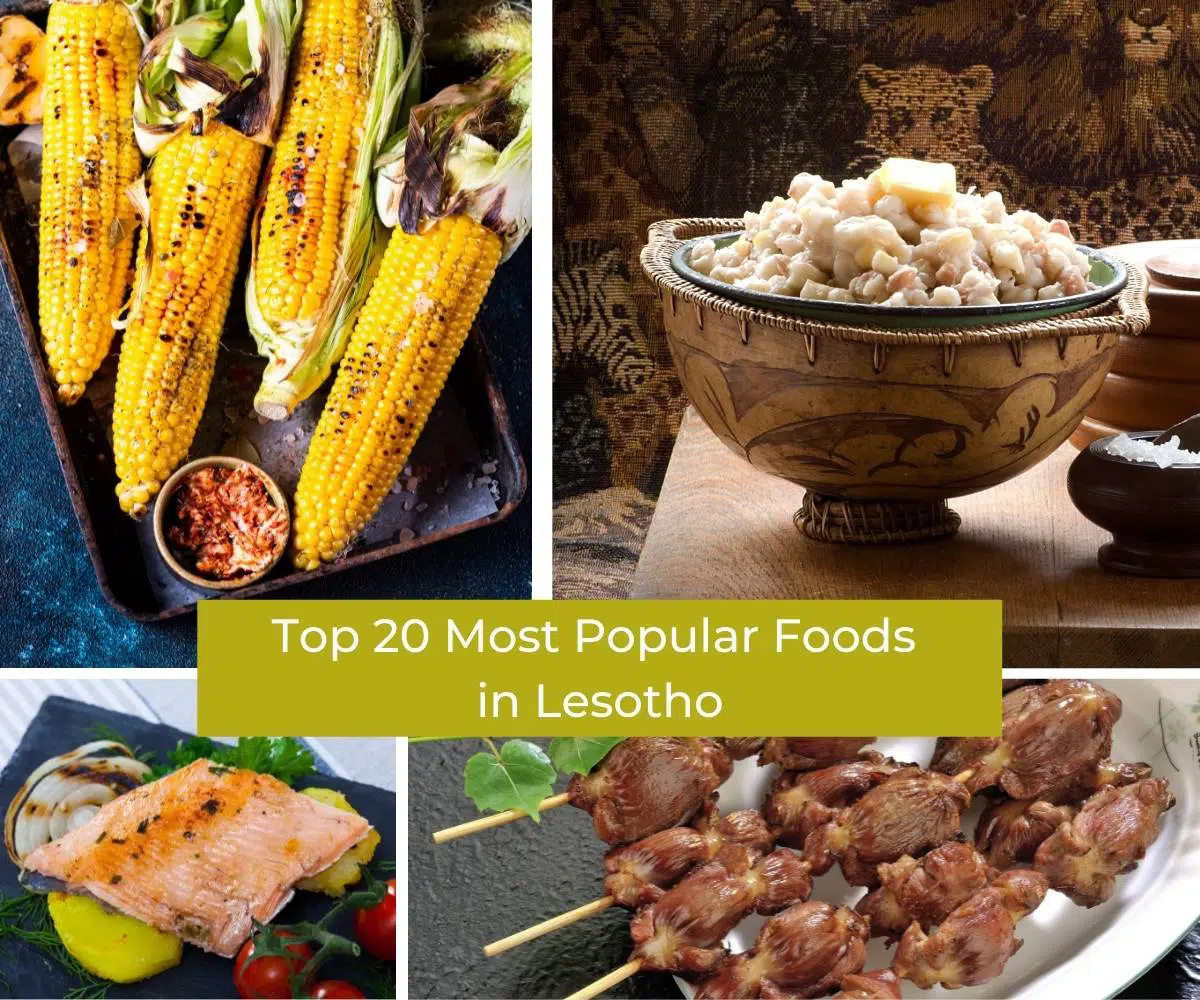 Medium
📜 Story
Medium
📜 Story
Lepu
Basotho Steamed Bread
Served with stews at celebrations
Comments (0)
Log in to leave a comment.
No comments yet. Be the first to share your thoughts!