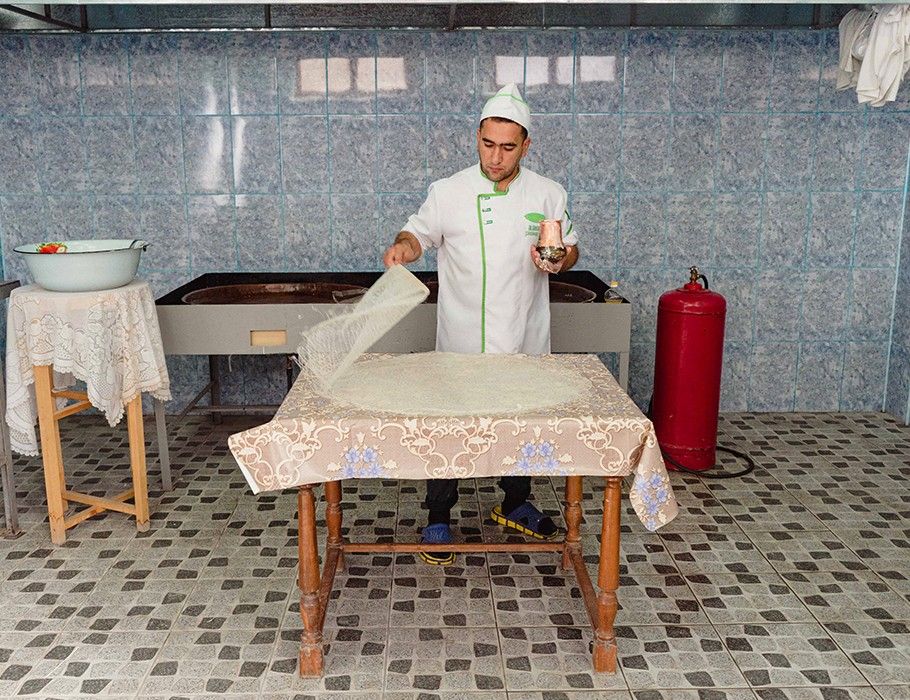
A unique layered confection from the city of Sheki, made with rice flour batter cooked into thin nets, layered with ground hazelnuts and walnuts, and soaked in saffron-rosewater syrup.
Nutrition & Info
Allergen Warnings
Equipment Needed
Instructions
-
1
Make thin batter with rice flour and water.
-
2
Heat a buttered copper pan. Drizzle batter through a sieve to create a lacy net.
-
3
Cook until set, then carefully remove.
-
4
Mix ground nuts with half the sugar and cardamom for filling.
-
5
Layer nut nets and filling in an oven tray, 3-4 layers each.
-
6
Make syrup with remaining sugar, water, saffron, and rosewater.
-
7
Pour warm syrup over the layered halva.
-
8
Bake at 160°C for 15 minutes. Cool and cut into diamonds.
Did You Know?
Sheki halva is so treasured that its recipe was once a closely guarded secret of the Sheki khans. Today, visitors to Sheki can watch artisans make it in copper workshops using the same techniques from centuries ago.
Chef's Notes
Equipment Tips
- copper pan
- oven
- sieve
The Story Behind Sheki Halva
Sheki halva is unlike any other halva in the world. Originating in the northern Azerbaijani city of Sheki during the era of the Sheki Khanate in the eighteenth century, it uses a unique technique of drizzling rice flour batter through a sieve onto a hot copper pan to create lace-like nets.
These delicate nets are layered with a filling of ground hazelnuts, walnuts, sugar, and spices, then soaked in a saffron-rosewater syrup. The result is a confection that is simultaneously crispy and moist, nutty and floral.
The craft of making Sheki halva has been recognized as an important element of Azerbaijani cultural heritage, and the confection remains one of the country's most celebrated sweets.
More Azerbaijani Dishes
 Easy
📜 Story
Easy
📜 Story
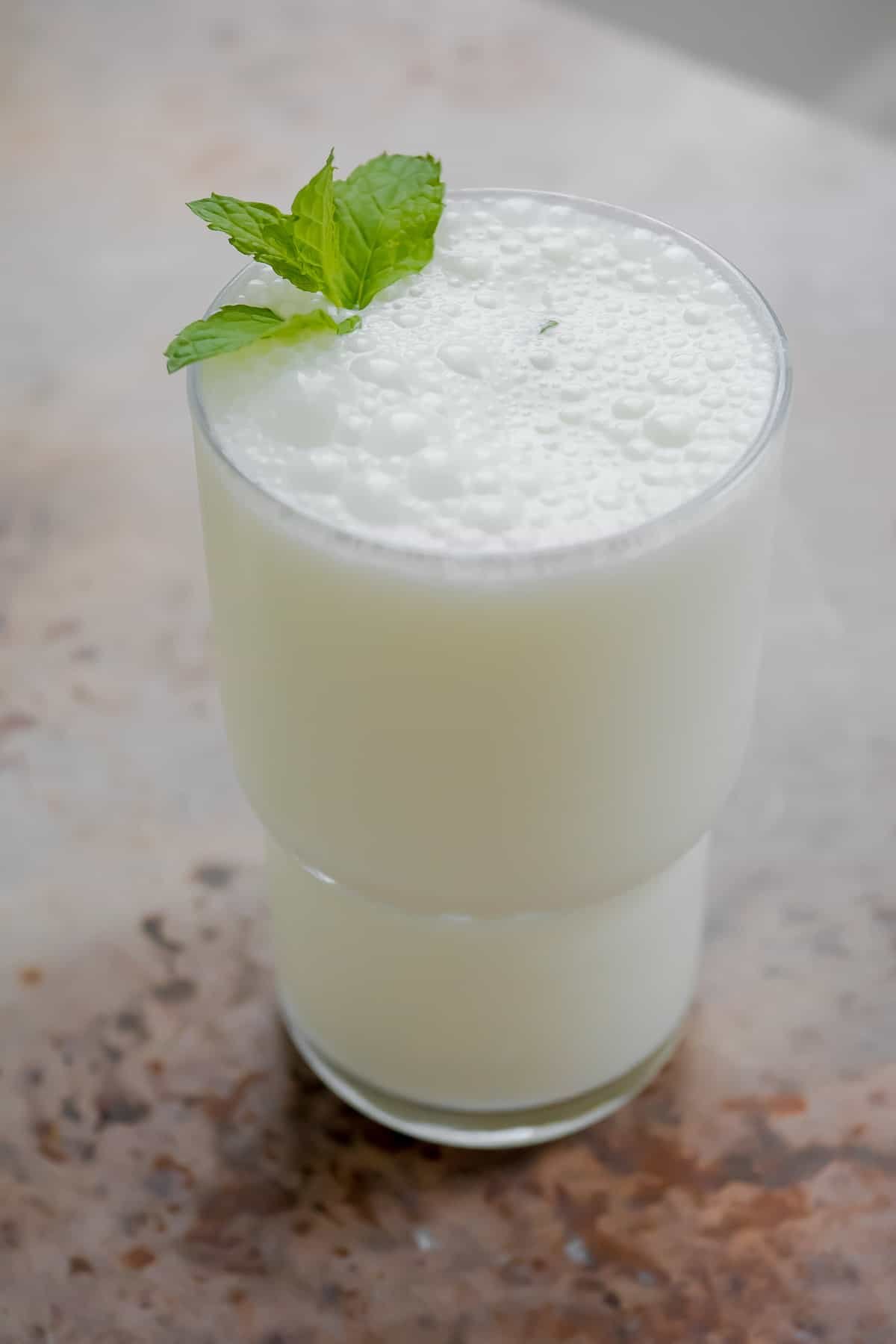
Ayran
Azerbaijani Yogurt Drink
With meals, especially summer Medium
📜 Story
Medium
📜 Story
Badimjan Dolmasi
Stuffed Eggplant
Summer lunch or dinner Hard
📜 Story
Hard
📜 Story
Baliq Lavangi
Stuffed Fish with Walnut Filling
Special occasions and holidays Easy
📜 Story
Easy
📜 Story
Dogramac
Chilled Yogurt and Herb Soup
Summer lunch starter
Comments (0)
Log in to leave a comment.
No comments yet. Be the first to share your thoughts!