
Crescent-shaped pastries filled with a sweet mixture of ground almonds, hazelnuts, sugar, and cardamom, with intricate hand-crimped edges. The quintessential Novruz holiday sweet.
Nutrition & Info
Allergen Warnings
Equipment Needed
Instructions
-
1
Dissolve yeast in warm milk, mix with flour, eggs, butter, and salt into a soft dough.
-
2
Rest dough 1 hour.
-
3
Mix ground almonds, hazelnuts, sugar, and cardamom for filling.
-
4
Roll dough into thin circles, place filling on one half, fold into crescents.
-
5
Crimp edges with tweezers to create decorative pattern.
-
6
Bake at 180°C for 18-20 minutes until lightly golden.
-
7
Cool on a rack. Store layered with parchment paper.
Did You Know?
The intricate pinched pattern on shekerbura is created using special tweezers called maqqash, and skilled bakers can produce dozens of identical crescents per hour. The crescent shape symbolizes the new moon of Novruz.
Chef's Notes
Equipment Tips
- oven
- baking sheet
- shekerbura mold or tweezers
The Story Behind Shekerbura
Shekerbura is the most iconic Novruz sweet in Azerbaijan, prepared in the weeks leading up to the spring equinox holiday. The crescent shape represents the new moon, and the decorative patterns on the dough are a form of edible art passed from mother to daughter.
The filling of ground nuts and sugar reflects Azerbaijan's position on the Silk Road spice routes, where almonds and cardamom were readily available luxuries. Each family guards its precise spice proportions.
During Novruz, Azerbaijani homes produce hundreds of shekerbura to serve to the stream of visitors who come calling during the holiday week.
More Azerbaijani Dishes
 Easy
📜 Story
Easy
📜 Story
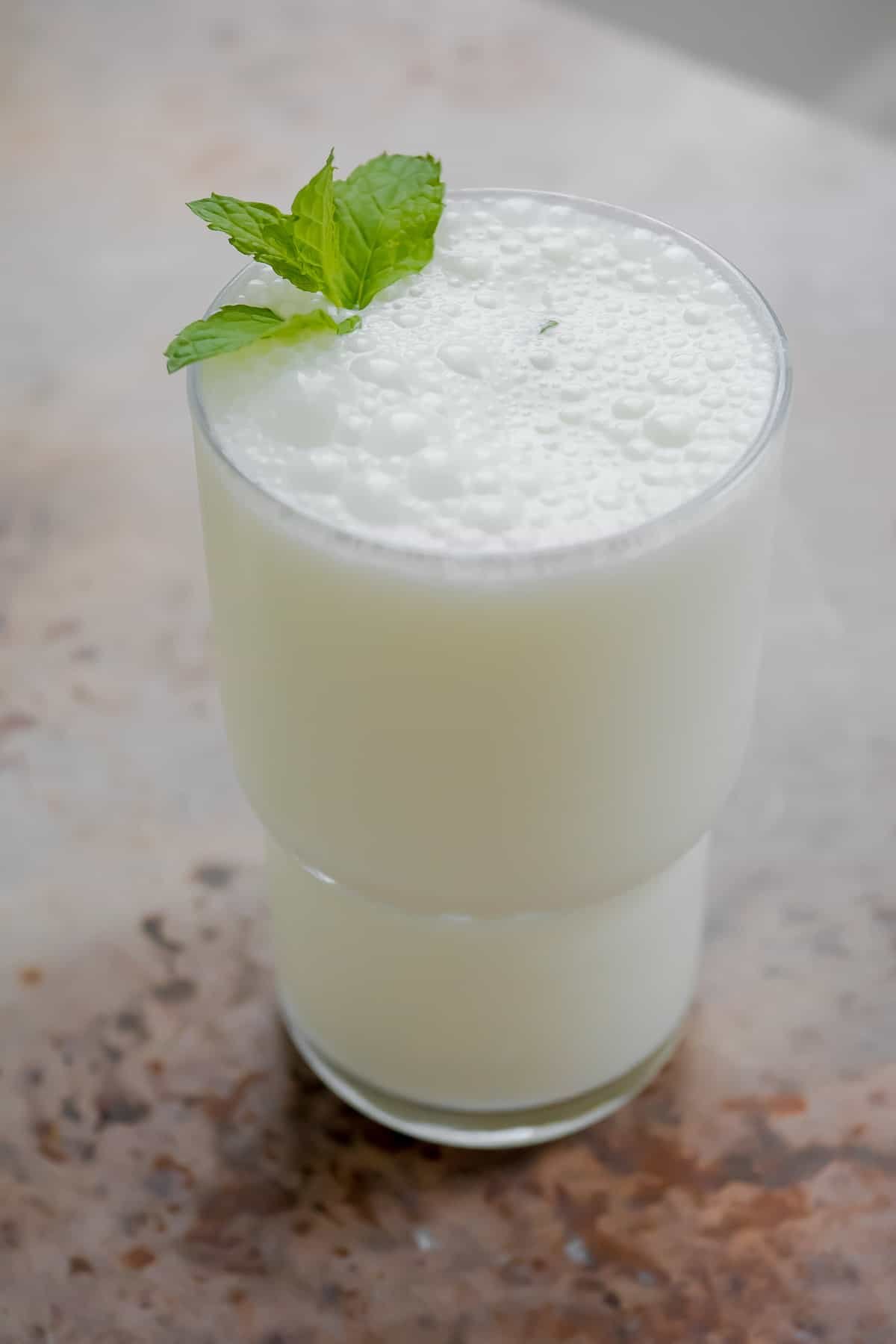
Ayran
Azerbaijani Yogurt Drink
With meals, especially summer Medium
📜 Story
Medium
📜 Story
Badimjan Dolmasi
Stuffed Eggplant
Summer lunch or dinner Hard
📜 Story
Hard
📜 Story
Baliq Lavangi
Stuffed Fish with Walnut Filling
Special occasions and holidays Easy
📜 Story
Easy
📜 Story
Dogramac
Chilled Yogurt and Herb Soup
Summer lunch starter
Comments (0)
Log in to leave a comment.
No comments yet. Be the first to share your thoughts!