
Saffron rice encased in a golden, buttery pastry crust, concealing tender lamb, dried fruits, and chestnuts. Azerbaijan's most spectacular dish.
Nutrition & Info
Allergen Warnings
Equipment Needed
Presentation Guide
Vessel: inverted dome on large platter
Garnishes: saffron rice, dried fruits, chestnuts
Accompaniments: herb salad, pickled vegetables, pomegranate seeds
Instructions
-
1
Drain the soaked rice and parboil it in a large pot of generously salted boiling water for six to eight minutes, until the grains are tender on the outside but still firm in the centre. Drain immediately and rinse with warm water.
-
2
Melt 50g of butter in a deep heavy-bottomed pot or Dutch oven. Drape the lavash bread sheets into the pot so they line the bottom and sides, with the edges hanging generously over the rim.
-
3
Season the lamb cubes with salt, pepper, cinnamon, and turmeric. In a separate skillet, sear the lamb in 30g of butter over high heat until browned on all sides, then toss with the dried apricots, chestnuts, and raisins.
-
4
Spoon one-third of the parboiled rice into the lavash-lined pot, spreading it evenly. Layer half the lamb and fruit mixture on top. Repeat with another third of the rice, the remaining lamb mixture, and finish with the last of the rice.
-
5
Drizzle the saffron water over the top layer of rice. Melt the remaining 70g of butter and pour it evenly over everything. Fold the overhanging lavash edges over the rice to encase the pilaf completely.
-
6
Cover the pot with a tight-fitting lid wrapped in a clean tea towel to trap steam. Cook over the lowest possible heat for forty-five to fifty minutes, until the lavash forms a deep golden, crispy crust on the bottom.
-
7
Remove the pot from the heat and let it rest covered for ten minutes. Carefully invert the entire pilaf onto a large round serving platter so the golden lavash crust is on top. Cut through the crust at the table to reveal the jewelled rice.
Did You Know?
Shah plov is cut open at the table, revealing its golden interior like a treasure chest.
Chef's Notes
Equipment Tips
- kazan (heavy pot)
- lavash wrap
- baking sheet
- sharp knife
Garnishing
saffron rice, dried fruits, chestnuts
Accompaniments
herb salad, pickled vegetables, pomegranate seeds
The Story Behind Shah Plov
The Story: Shah plov, the crown jewel of Azerbaijani rice cuisine, encases saffron-tinted rice, tender lamb, dried fruits, and chestnuts within a golden, buttery pastry crust called gazmag. When the dome of pastry is cracked open at the table, fragrant steam escapes and the jeweled rice is revealed, a moment of theater that makes shah plov the centerpiece of Azerbaijani celebrations. The dish represents the pinnacle of Persian-Azerbaijani plov tradition, which encompasses over forty named variations across the country.
On the Calendar: Shah plov is reserved for the most significant occasions: weddings, Novruz celebrations, and the reception of honored guests. It demands hours of preparation and considerable skill, making it a dish that signals the importance of the event.
Then & Now: While everyday Azerbaijani plov is made without the pastry crust, shah plov remains the aspirational standard. The tradition of breaking the gazmag at the table has been maintained as an essential ritual of Azerbaijani entertaining. Some modern chefs have adapted the concept with new fillings, but the classic lamb-and-dried-fruit version remains supreme.
Legacy: Shah plov is edible architecture: a golden dome concealing treasures of saffron, lamb, and fruit that, when broken open, fills the room with the perfume of Azerbaijani hospitality at its most magnificent.
More Azerbaijani Dishes
 Easy
📜 Story
Easy
📜 Story
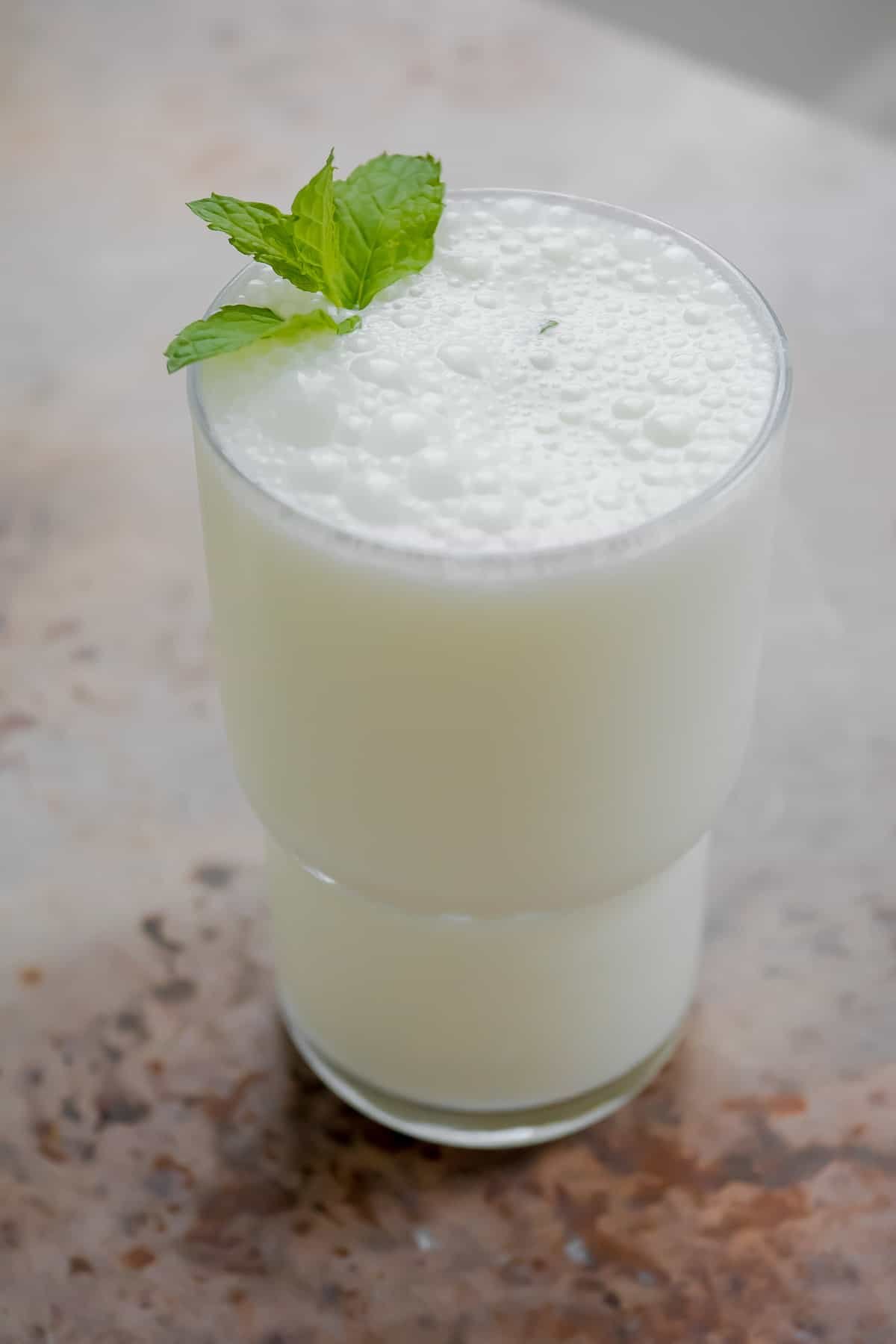
Ayran
Azerbaijani Yogurt Drink
With meals, especially summer Medium
📜 Story
Medium
📜 Story
Badimjan Dolmasi
Stuffed Eggplant
Summer lunch or dinner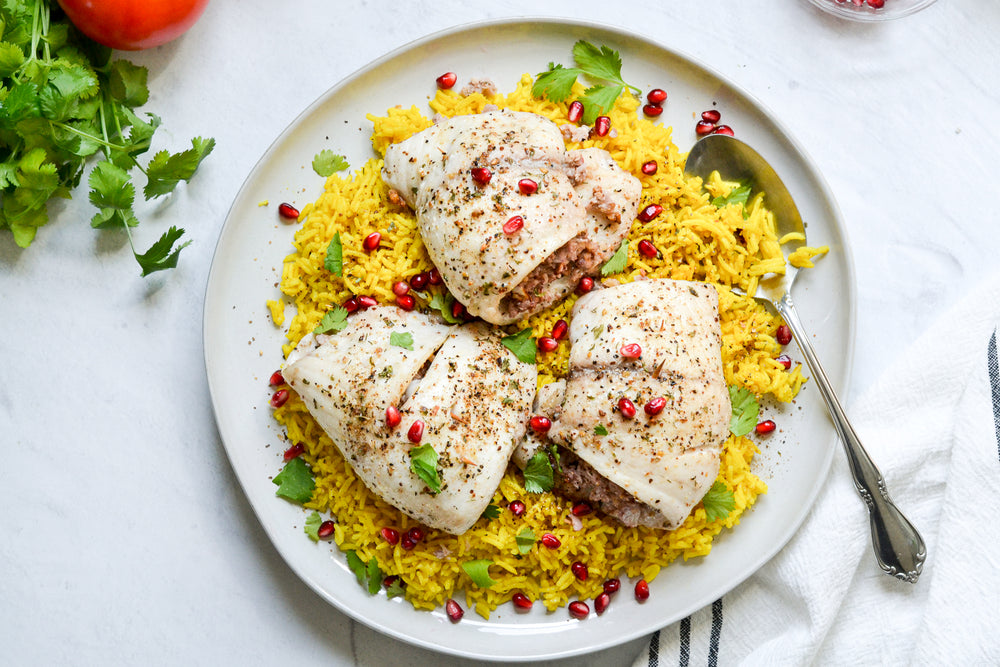 Hard
📜 Story
Hard
📜 Story
Baliq Lavangi
Stuffed Fish with Walnut Filling
Special occasions and holidays Easy
📜 Story
Easy
📜 Story
Dogramac
Chilled Yogurt and Herb Soup
Summer lunch starter
Comments (1)
Log in to leave a comment.
Reminds me of my grandmother's cooking. Such a nostalgic flavor.