
A slow-cooked lamb and chickpea stew baked in individual clay pots, producing a deeply aromatic broth. The dish is traditionally served in two courses: first the rich broth with bread, then the tender meat and vegetables.
Nutrition & Info
Equipment Needed
Instructions
-
1
Soak chickpeas overnight and drain.
-
2
Divide lamb, chickpeas, potatoes, onion, chestnuts, and dried plums among four clay pots.
-
3
Add turmeric, saffron, salt, and pepper to each pot.
-
4
Top each with a piece of tail fat or butter.
-
5
Fill pots with water to cover ingredients.
-
6
Seal pots with foil or lids and bake at 180°C for 4 hours.
-
7
Serve broth separately with crumbled lavash, then serve the meat and vegetables.
Did You Know?
In the city of Sheki, piti is considered the national dish, and restaurants compete fiercely for the title of best piti in town. The clay pot is essential, as it imparts an earthy flavor that cannot be replicated in metal cookware.
Chef's Notes
Equipment Tips
- clay pots
- oven
The Story Behind Piti
Piti is one of Azerbaijan's oldest dishes, with roots in medieval Caucasian cooking traditions. The technique of slow-baking individual portions in sealed clay pots allowed shepherds and traders to prepare meals that could cook unattended for hours.
The city of Sheki in northern Azerbaijan claims ownership of the definitive piti recipe, and the dish has become synonymous with the region's culinary identity. Each pot creates a self-contained meal that showcases the Azerbaijani mastery of slow-cooked lamb.
Today piti remains a winter staple and a must-try dish for visitors to Azerbaijan, served in traditional restaurants with crispy lavash bread.
More Azerbaijani Dishes
 Easy
📜 Story
Easy
📜 Story
Ayran
Azerbaijani Yogurt Drink
With meals, especially summer Medium
📜 Story
Medium
📜 Story
Badimjan Dolmasi
Stuffed Eggplant
Summer lunch or dinner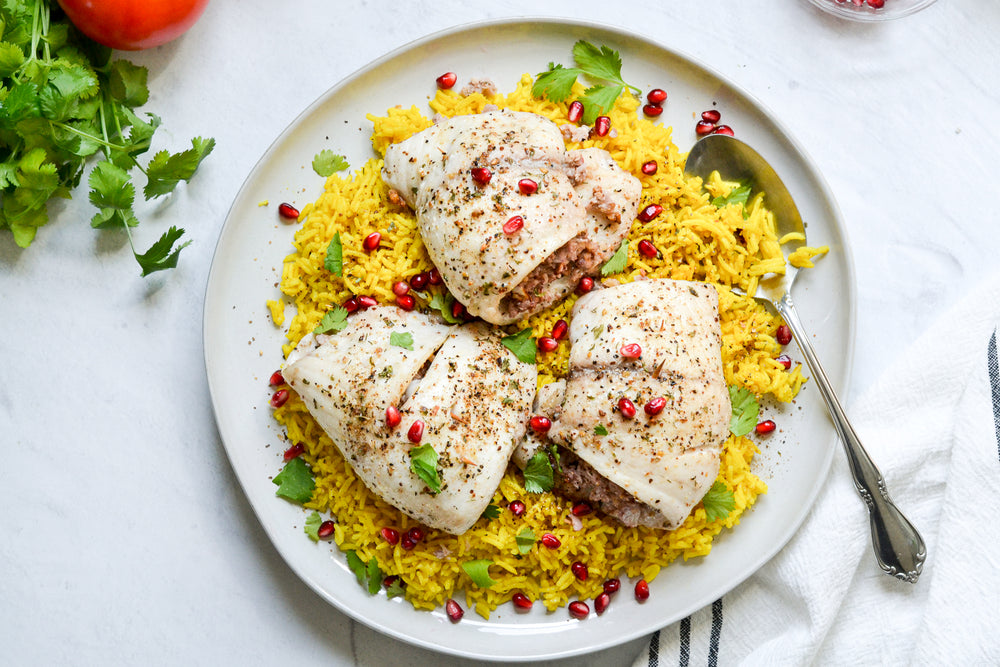 Hard
📜 Story
Hard
📜 Story
Baliq Lavangi
Stuffed Fish with Walnut Filling
Special occasions and holidays Easy
📜 Story
Easy
📜 Story
Dogramac
Chilled Yogurt and Herb Soup
Summer lunch starter
Comments (0)
Log in to leave a comment.
No comments yet. Be the first to share your thoughts!