
Layers of thin pastry filled with spiced ground nuts and soaked in saffron-honey syrup, cut into distinctive diamond shapes. The Azerbaijani version is distinguished by its use of saffron and cardamom.
Nutrition & Info
Allergen Warnings
Equipment Needed
Instructions
-
1
Make dough with flour, 2 eggs, 100g melted butter, and a pinch of salt. Divide into 10 portions.
-
2
Mix nuts, sugar, and cardamom for filling.
-
3
Roll each dough portion thin. Layer 5 sheets in a buttered pan, brushing each with butter.
-
4
Spread nut filling evenly, then layer remaining 5 sheets with butter.
-
5
Cut into diamonds with a sharp knife. Press a hazelnut half into each piece.
-
6
Brush top with egg yolk beaten with saffron water.
-
7
Bake at 180°C for 35-40 minutes until golden.
-
8
Make syrup by heating honey, water, and saffron. Pour over hot pakhlava.
Did You Know?
Azerbaijani pakhlava always features a hazelnut half pressed into the center of each diamond before baking, distinguishing it from Turkish and Greek versions at a single glance.
Chef's Notes
Equipment Tips
- oven
- baking pan
- pastry brush
The Story Behind Pakhlava
Pakhlava is Azerbaijan's interpretation of the beloved baklava found across the former Ottoman world. What distinguishes the Azerbaijani version is the generous use of saffron in the syrup and cardamom in the nut filling, reflecting the country's Persian culinary influences.
The diamond-cut shape with a hazelnut half pressed into each piece has become the signature visual of Azerbaijani pakhlava. The preparation is a Novruz tradition, with families often making enormous trays to share with neighbors and visitors.
Sheki pakhlava, made with rice flour and nut paste in a different technique entirely, is a distinct regional variation that has its own devoted following.
More Azerbaijani Dishes
 Easy
📜 Story
Easy
📜 Story
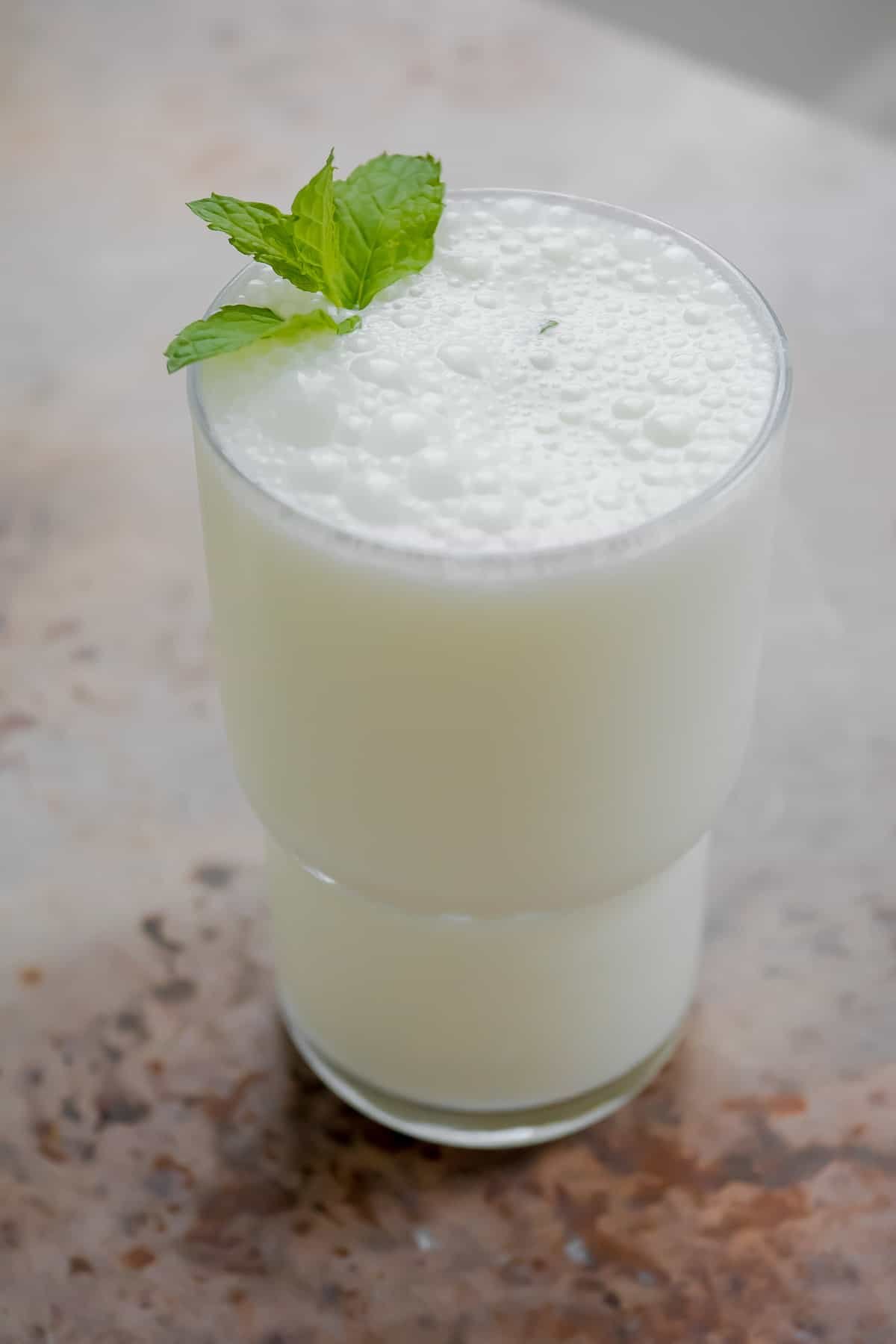
Ayran
Azerbaijani Yogurt Drink
With meals, especially summer Medium
📜 Story
Medium
📜 Story
Badimjan Dolmasi
Stuffed Eggplant
Summer lunch or dinner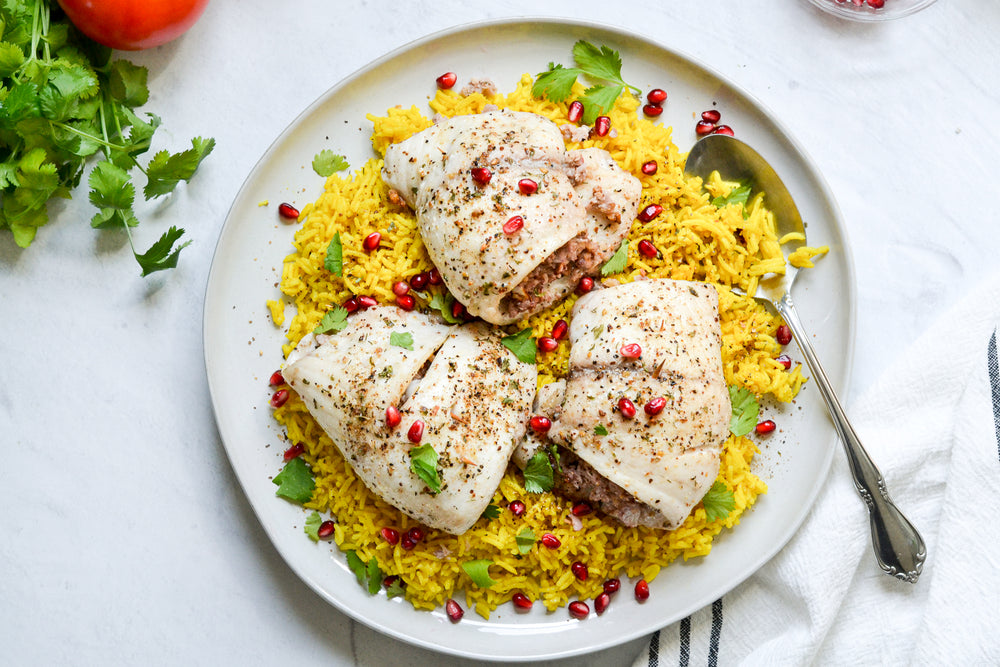 Hard
📜 Story
Hard
📜 Story
Baliq Lavangi
Stuffed Fish with Walnut Filling
Special occasions and holidays Easy
📜 Story
Easy
📜 Story
Dogramac
Chilled Yogurt and Herb Soup
Summer lunch starter
Comments (0)
Log in to leave a comment.
No comments yet. Be the first to share your thoughts!