
Wiener Schnitzel
Wiener Schnitzel (VEE-ner SHNIT-sel)
Breaded Veal Cutlet
Thinly pounded veal coated in golden breadcrumbs and fried until shatteringly crispy. Austria's national dish and culinary icon.
Nutrition & Info
Allergen Warnings
Equipment Needed
Presentation Guide
Vessel: large oval plate
Garnishes: lemon wedge, fresh parsley, lingonberry jam
Accompaniments: potato salad, cucumber salad, french fries
Instructions
-
1
Place each veal cutlet between two sheets of cling film and pound firmly with a meat mallet, working from the centre outwards, until the meat is uniformly thin — about three to four millimetres thick throughout.
-
2
Season the pounded cutlets lightly on both sides with fine salt just before breading. Set up three shallow dishes in a line: seasoned flour in the first, beaten eggs in the second, and breadcrumbs in the third.
-
3
Dredge each cutlet in flour, shaking off all excess. Dip into the beaten egg, letting any surplus drip away. Finally, lay it in the breadcrumbs and sprinkle crumbs on top without pressing them into the meat.
-
4
The coating must remain loose and uncompressed so that it puffs and separates from the meat during frying, creating the characteristic wavy, souffled crust that defines an authentic Wiener Schnitzel.
-
5
Heat the clarified butter in a large, heavy skillet until it reaches 170C (340F). There must be enough fat that the schnitzel can swim freely — at least one centimetre deep in the pan.
-
6
Carefully lay one or two schnitzels into the hot fat without crowding. Gently swirl and tilt the pan continuously during frying so hot fat washes over the top surface, which helps the breadcrumb coating puff up.
-
7
Fry for about two to three minutes per side until the coating is an even golden colour. Use a spatula to turn — never pierce the coating with a fork, as this would release steam and prevent proper puffing.
-
8
Drain each schnitzel briefly on a wire rack set over paper towels. Serve immediately on warmed plates with a wedge of lemon, garnished with parsley. Traditional accompaniments include potato salad or parsley potatoes.
Did You Know?
A proper Wiener Schnitzel must be made with veal and should hang over the edges of the plate.
Chef's Notes
Equipment Tips
- meat mallet
- breading station (3 plates)
- large skillet
- tongs
Garnishing
lemon wedge, fresh parsley, lingonberry jam
Accompaniments
potato salad, cucumber salad, french fries
The Story Behind Wiener Schnitzel
The Story: Wiener Schnitzel is a thin cutlet of veal, pounded nearly translucent, coated in flour, egg, and fine breadcrumbs, then fried until the coating puffs away from the meat in golden, ruffled waves. Its origin is debated: one tradition claims Field Marshal Radetzky brought it from Milan in 1857. Regardless, Wiener Schnitzel became so identified with Austrian identity that it was legally protected: in Austria it must be made from veal.
On the Calendar: Wiener Schnitzel is everyday restaurant fare and a Sunday family lunch tradition, also the default dish for introducing visitors to Austrian cuisine.
Then & Now: The essential technique has remained unchanged for centuries. Variations using chicken or turkey are common but must legally be labeled differently in Austria.
Legacy: Wiener Schnitzel is Austria's answer to what happens when you treat a simple cutlet with the precision reserved for a symphony, the result is golden, crispy perfection.
More Austrian Dishes
 Medium
📜 Story
Medium
📜 Story
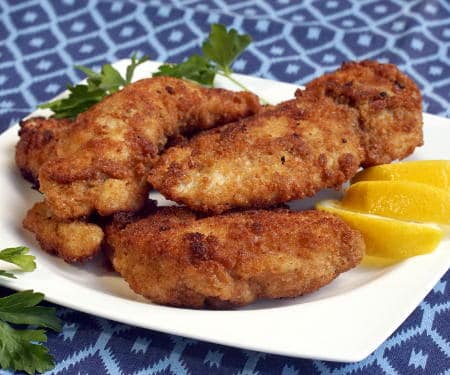
Backhendl
Viennese Fried Chicken
Lunch or Heuriger meal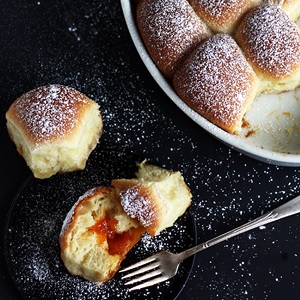 Medium
📜 Story
Medium
📜 Story
Buchteln
Sweet Yeast Buns with Jam
Afternoon Jause or dessert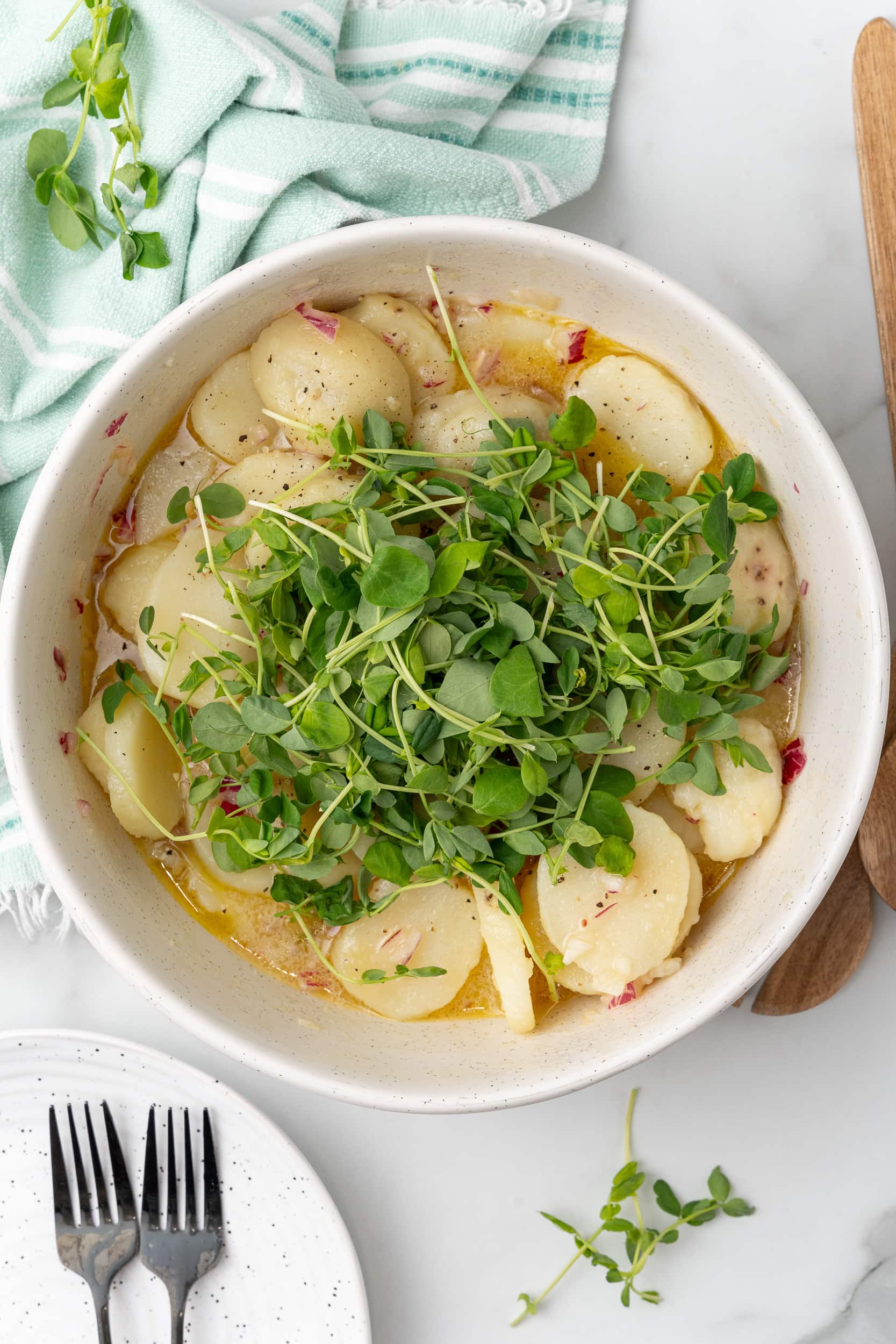 Easy
📜 Story
Easy
📜 Story
Erdäpfelsalat
Viennese Potato Salad
Side dish, especially with schnitzel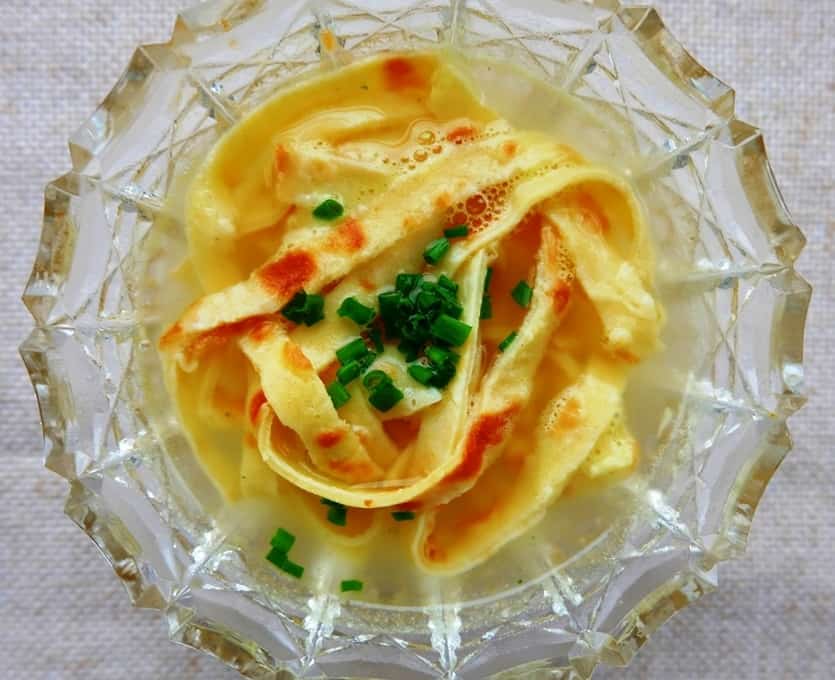 Easy
📜 Story
Easy
📜 Story
Frittatensuppe
Beef Broth with Sliced Pancake Strips
First course at lunch or dinner
Comments (0)
Log in to leave a comment.
No comments yet. Be the first to share your thoughts!