
Smooth, stretchy cassava flour porridge that is the essential accompaniment to every Angolan stew.
Nutrition & Info
Allergen Warnings
Equipment Needed
Presentation Guide
Vessel: large plate or bowl
Accompaniments: muamba de galinha, calulu, palm oil sauce
Instructions
-
1
In a medium mixing bowl, combine 2 cups of cassava flour with 2 cups of cold water. Stir vigorously with a wooden spoon or whisk until the mixture is completely smooth, free of lumps, and has the consistency of a thin, pourable batter. This cold-water slurry technique is essential — adding the flour directly to boiling water would create intractable lumps that no amount of stirring can dissolve.
-
2
Bring the remaining 2 cups of water to a vigorous boil in a heavy-bottomed, medium-sized pot over high heat. Add the salt. The pot should be deep enough to allow for vigorous stirring without splashing, as the mixture will bubble aggressively during the next steps.
-
3
Reduce the heat to medium and slowly pour the cassava flour slurry into the boiling water in a thin, steady stream while stirring constantly and vigorously with a long-handled wooden spoon. The mixture will immediately begin to thicken and resist the spoon. Continue stirring without stopping, using strong, circular motions and pressing any lumps against the side of the pot to break them apart.
-
4
Reduce the heat to low and continue stirring energetically for 10-15 minutes. The funje will transform from a gritty, loose mixture into a smooth, glossy, elastic mass that pulls away cleanly from the sides of the pot. The correct consistency is similar to stiff mashed potatoes — it should hold its shape when mounded but remain smooth and slightly stretchy. A lumpy funje is considered poorly made, so persistence in stirring is essential.
-
5
When the funje is completely smooth and elastic with a slight sheen on the surface, wet a wooden spoon or your hands with cold water and shape the funje into a smooth mound. Transfer to a serving plate by scooping and turning the mound onto the plate in one motion, smoothing the top with the wet spoon.
-
6
Serve the funje immediately alongside rich Angolan stews such as muamba de galinha (chicken in palm sauce) or calulu. To eat traditionally, pinch off a small piece of funje with your fingers, press it into a slight cup shape, and use it to scoop up the accompanying stew and sauce. The bland, stretchy funje is the perfect canvas for absorbing the bold, spicy flavors of Angolan cooking.
Did You Know?
Funje is to Angola what sadza is to Zimbabwe — no meal is complete without it.
Chef's Notes
Equipment Tips
- large pot
- wooden spoon
Accompaniments
muamba de galinha, calulu, palm oil sauce
The Story Behind Funje
The Story: Funje is the smooth, stretchy cassava flour porridge that serves as the essential starch at virtually every Angolan meal. Made by gradually stirring cassava flour into boiling water until it forms a thick, elastic mass, funje requires strength and continuous stirring to prevent lumps. Cassava cultivation in Angola predates Portuguese contact, and funje represents the most direct link to pre-colonial Bantu foodways.
On the Calendar: Funje is daily food, served at lunch and dinner alongside stews, grilled fish, or sauces.
Then & Now: While urban Angolans increasingly eat rice and bread, funje remains preferred in traditional households and across rural Angola.
Legacy: Funje is Angola's culinary bedrock, the neutral, stretchy canvas upon which the vivid flavors of Angolan sauces and stews are displayed.
More Angolan Dishes
 Hard
📜 Story
Hard
📜 Story
Arroz de Marisco
Angolan Seafood Rice
Sunday lunch, celebrations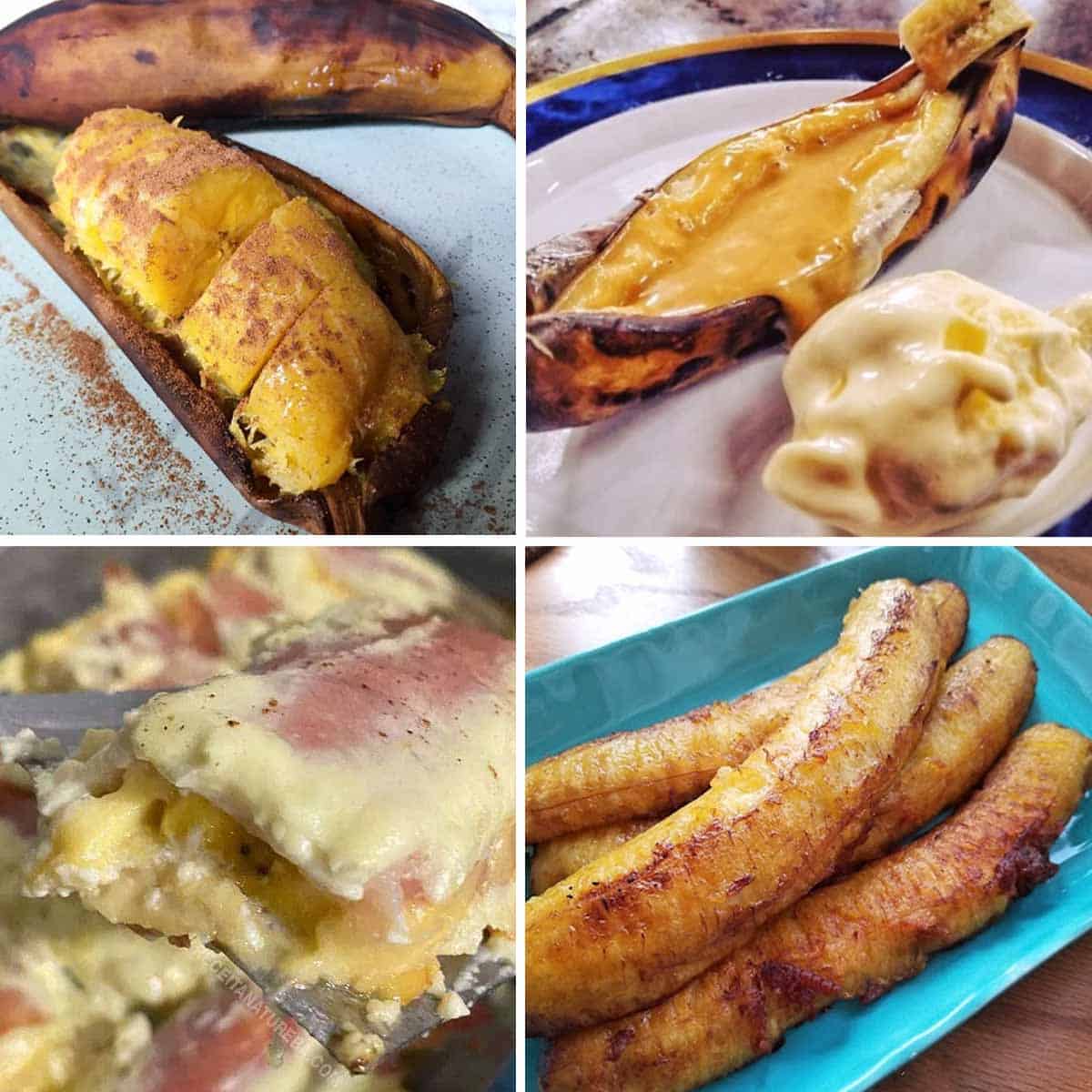 Easy
📜 Story
Easy
📜 Story
Banana Assada
Roasted Plantain
Snack, side dish, any time Easy
📜 Story
Easy
📜 Story
Bolo de Mandioca
Cassava Cake
Afternoon snack, celebrations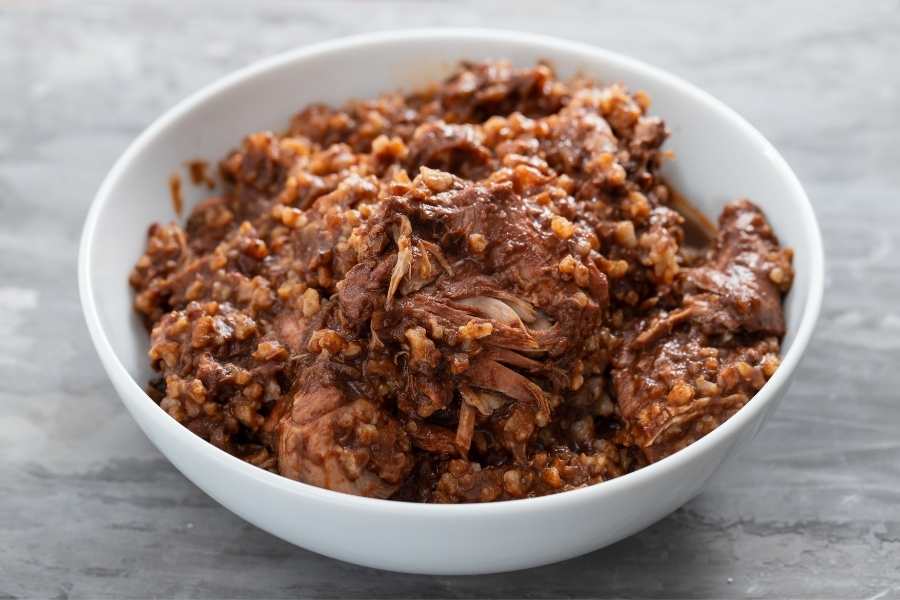 Hard
📜 Story
Hard
📜 Story
Cabidela de Galinha
Chicken in Blood Sauce
Special occasions, Sunday lunch
Comments (0)
Log in to leave a comment.
No comments yet. Be the first to share your thoughts!