
Cocada Amarela
Cocada Amarela (koh-KAH-dah ah-mah-REH-lah)
Angolan Coconut Egg Pudding
A luxurious golden dessert of grated coconut cooked with sugar, egg yolks, cinnamon, and cloves until thick and glossy. Angola's most beloved sweet.
Nutrition & Info
Allergen Warnings
Equipment Needed
Presentation Guide
Vessel: shallow glass bowl
Garnishes: ground cinnamon, clove pattern
Accompaniments: coffee, port wine
Instructions
-
1
Make a syrup by dissolving sugar in water with cinnamon stick and cloves. Boil until slightly thickened.
-
2
Remove cinnamon stick and cloves. Stir in grated coconut.
-
3
Cook on medium heat, stirring constantly, for 10 minutes until coconut absorbs the syrup.
-
4
Beat egg yolks well. Remove pot from heat briefly and quickly stir in egg yolks.
-
5
Return to very low heat. Stir constantly until mixture is thick, glossy, and golden.
-
6
Pour into a serving dish. Decorate with ground cinnamon patterns. Cool to room temperature before serving.
Did You Know?
Cocada amarela is the centerpiece of every Angolan celebration, from birthdays to weddings to national holidays.
Chef's Notes
Equipment Tips
- heavy saucepan
- whisk
- serving dish
Garnishing
ground cinnamon, clove pattern
Accompaniments
coffee, port wine
The Story Behind Cocada Amarela
Cocada amarela is the crown jewel of Angolan desserts, combining Portuguese egg-based confectionery traditions with tropical coconut. The dish appeared during the colonial period when Portuguese nuns, famous for their egg-yolk sweets, met abundant Angolan coconuts. The result is a dessert that belongs entirely to Angola, richer and more coconut-forward than any Portuguese equivalent. It has become the nation's signature sweet, essential at celebrations.
More Angolan Dishes
 Hard
📜 Story
Hard
📜 Story
Arroz de Marisco
Angolan Seafood Rice
Sunday lunch, celebrations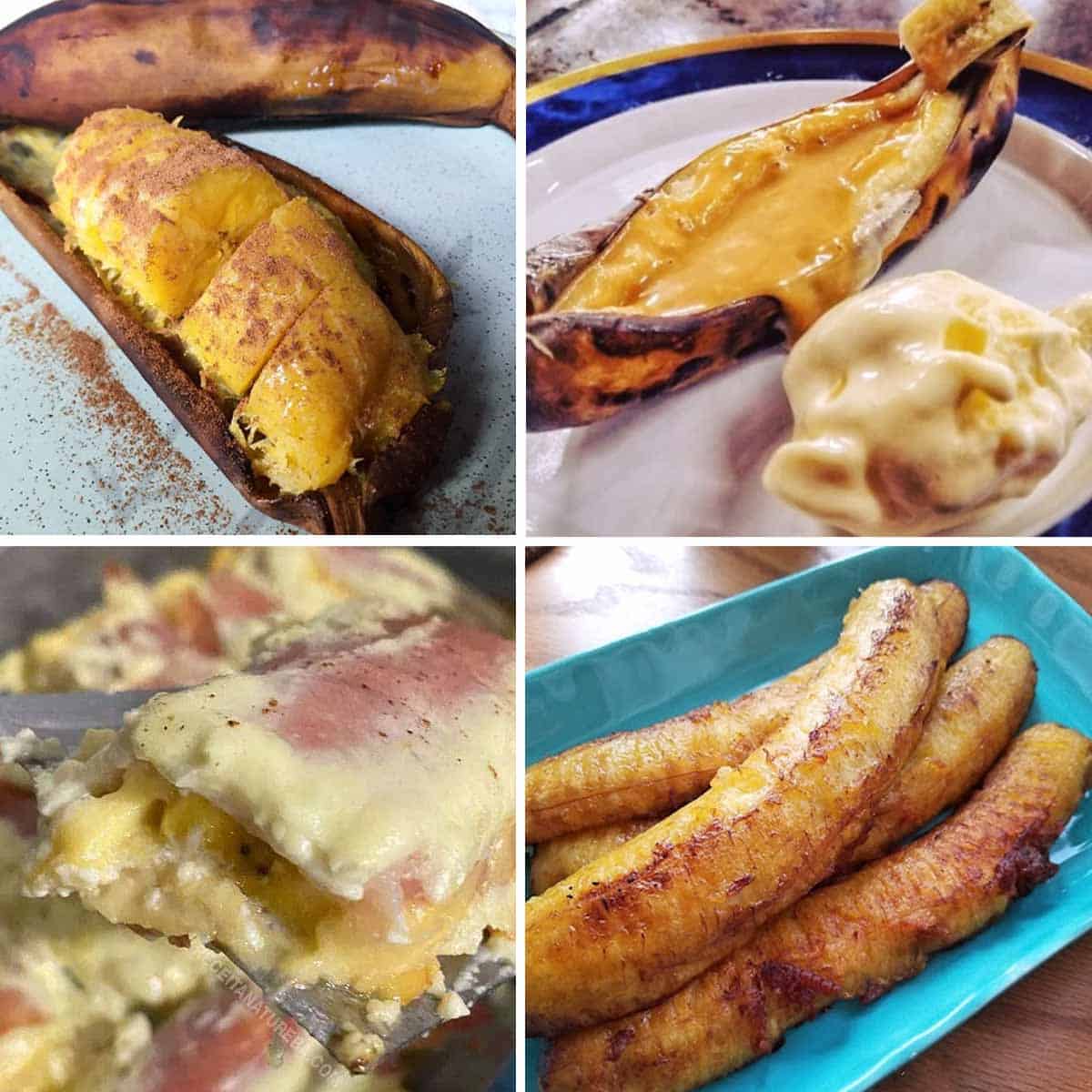 Easy
📜 Story
Easy
📜 Story
Banana Assada
Roasted Plantain
Snack, side dish, any time Easy
📜 Story
Easy
📜 Story
Bolo de Mandioca
Cassava Cake
Afternoon snack, celebrations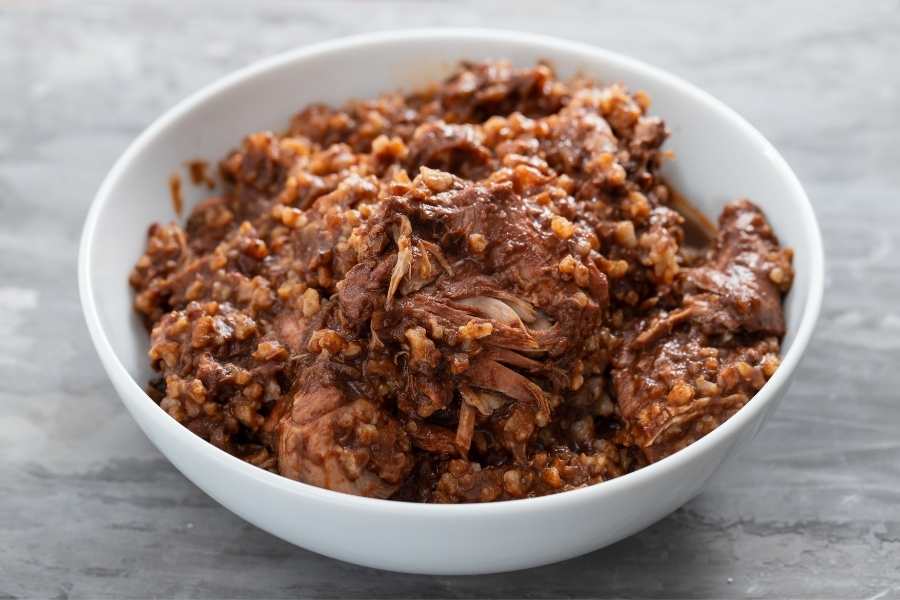 Hard
📜 Story
Hard
📜 Story
Cabidela de Galinha
Chicken in Blood Sauce
Special occasions, Sunday lunch
Comments (0)
Log in to leave a comment.
No comments yet. Be the first to share your thoughts!