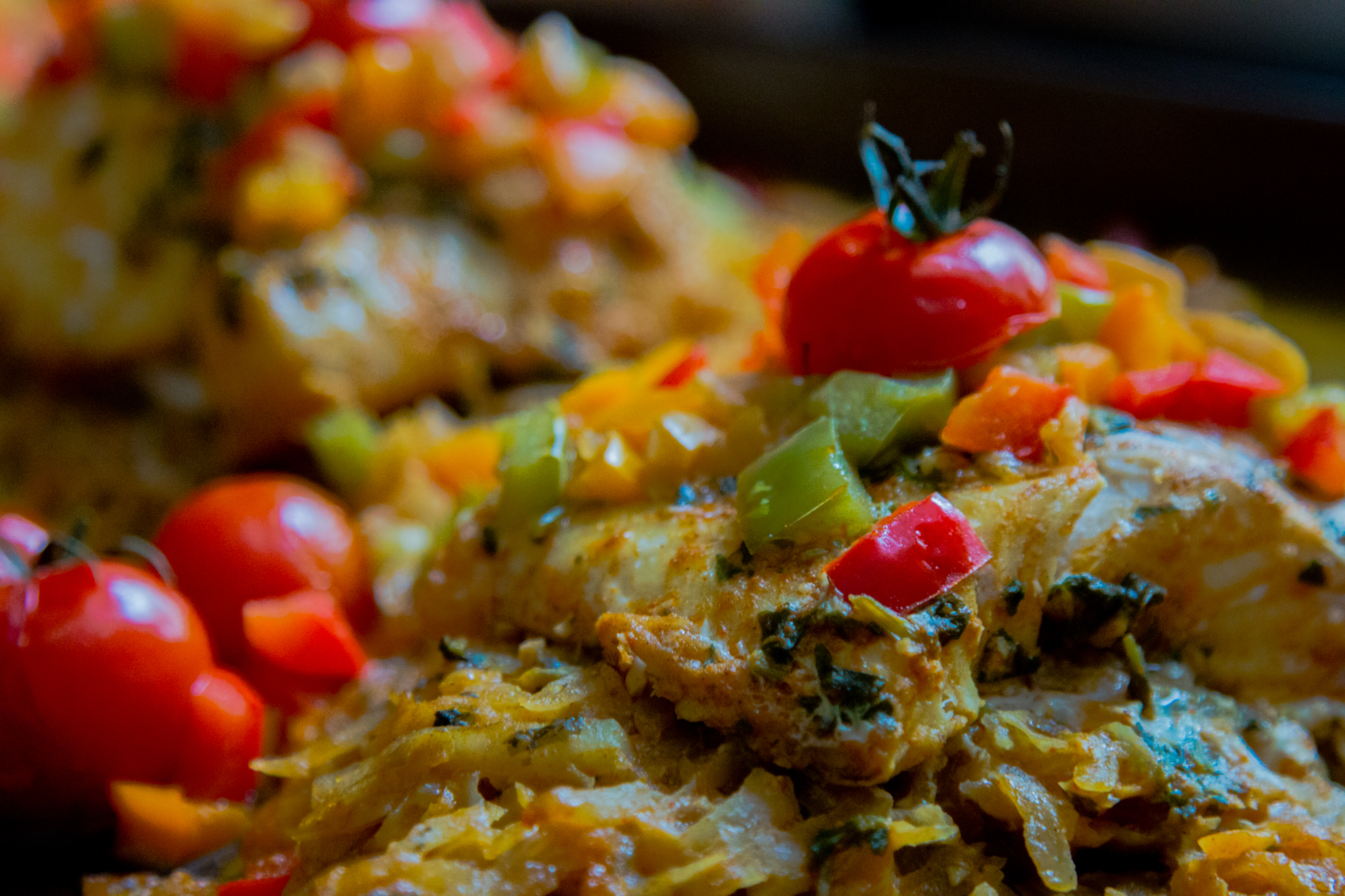
Caldeirada de Peixe
Caldeirada de Peixe (kahl-day-RAH-dah deh PAY-sheh)
Angolan Fish Stew
A hearty coastal stew of firm white fish simmered with tomatoes, onions, bell peppers, and palm oil. Layers of sliced potatoes thicken the broth while absorbing the rich, spiced flavors of the sea.
Nutrition & Info
Allergen Warnings
Equipment Needed
Presentation Guide
Instructions
-
1
Season fish chunks with lemon juice, garlic, salt, and paprika. Marinate 20 minutes.
-
2
In a heavy pot, layer sliced potatoes on the bottom, then onions, then tomatoes and peppers.
-
3
Place marinated fish on top. Add bay leaves and drizzle palm oil over everything.
-
4
Add enough water to come halfway up the pot. Cover and simmer 35 minutes without stirring.
-
5
Remove lid, check fish is flaky and potatoes tender. Adjust seasoning.
-
6
Serve in deep bowls garnished with cilantro and lemon wedges alongside funje.
Did You Know?
Caldeirada is one of the strongest culinary links between Angola and Portugal, though Angolans transformed it with palm oil and fiercer peppers.
Chef's Notes
Equipment Tips
- large heavy pot
- cutting board
- sharp knife
Garnishing
fresh cilantro, lemon wedges
Accompaniments
funje, white rice
The Story Behind Caldeirada de Peixe
Caldeirada arrived with Portuguese colonizers who adapted their traditional fish stew to Angolan waters teeming with tropical species. Over centuries, Angolan cooks made the dish their own by incorporating palm oil, local peppers, and indigenous cooking techniques. In coastal cities like Luanda and Benguela, each family has its own secret variation, and the dish is central to gatherings where the Atlantic catch is celebrated.
More Angolan Dishes
 Hard
📜 Story
Hard
📜 Story
Arroz de Marisco
Angolan Seafood Rice
Sunday lunch, celebrations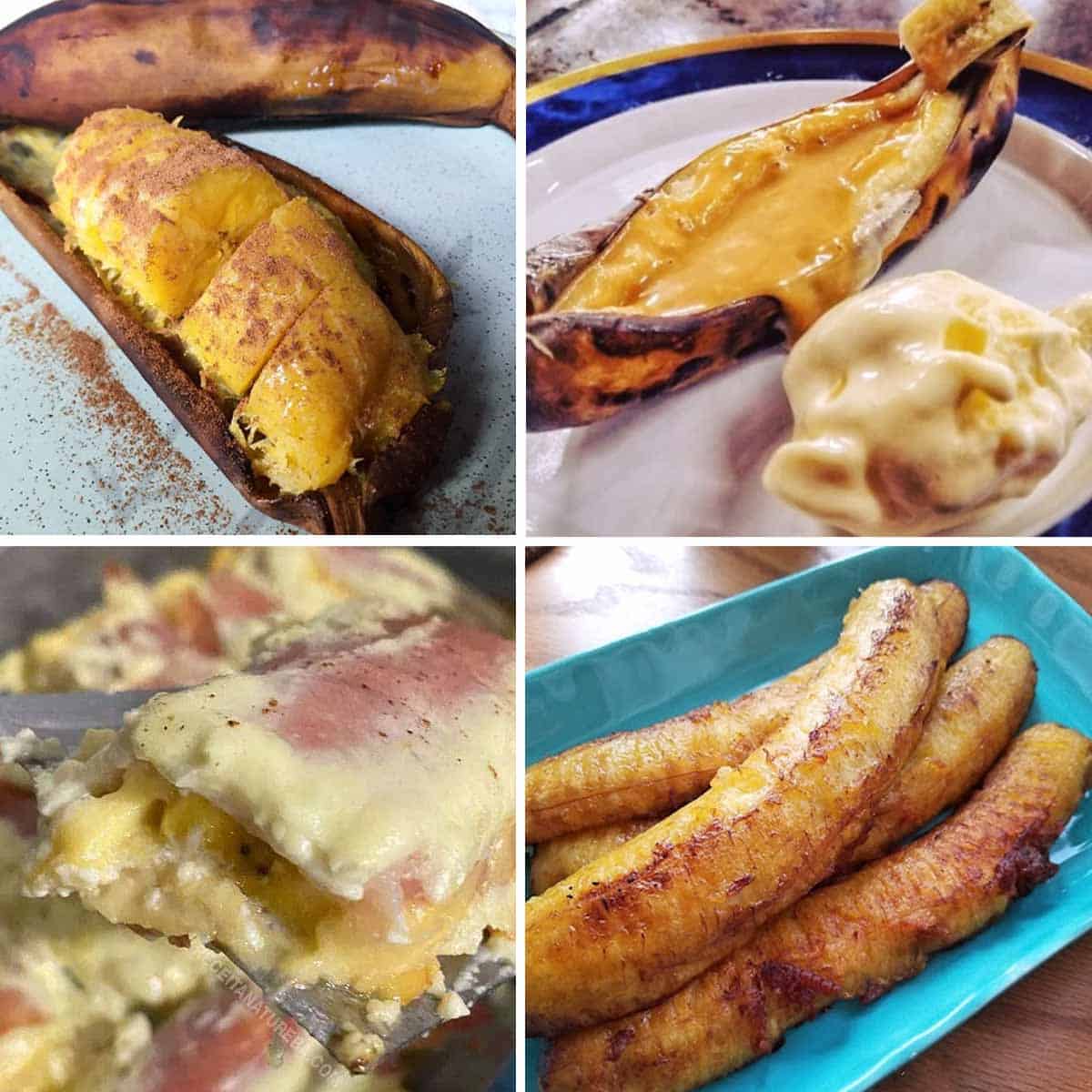 Easy
📜 Story
Easy
📜 Story
Banana Assada
Roasted Plantain
Snack, side dish, any time Easy
📜 Story
Easy
📜 Story
Bolo de Mandioca
Cassava Cake
Afternoon snack, celebrations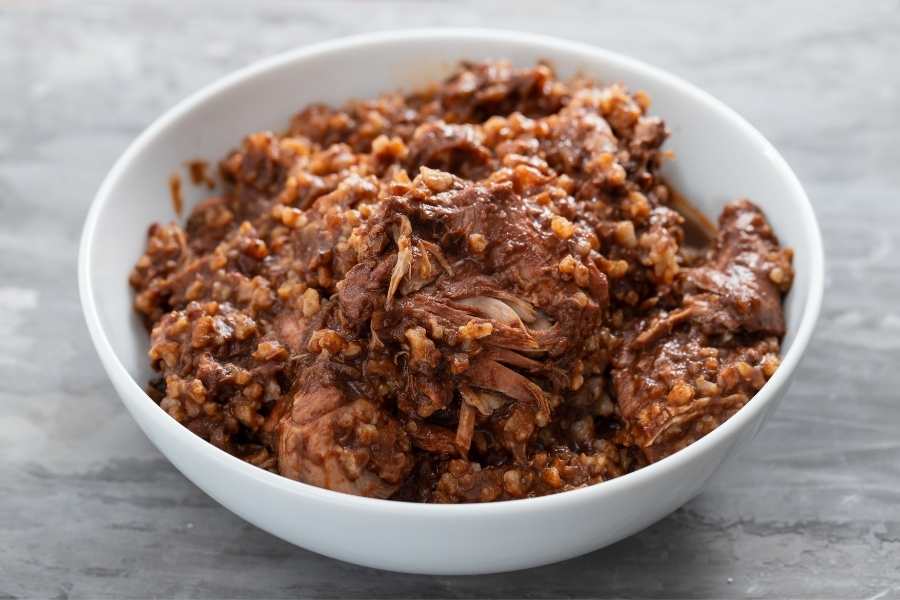 Hard
📜 Story
Hard
📜 Story
Cabidela de Galinha
Chicken in Blood Sauce
Special occasions, Sunday lunch
Comments (0)
Log in to leave a comment.
No comments yet. Be the first to share your thoughts!