
A crispy cake of mashed potatoes and cabbage, pan-fried with garlic. Pyrenean mountain comfort food.
Nutrition & Info
Equipment Needed
Presentation Guide
Vessel: round plate
Garnishes: crispy bacon bits, fried garlic slices
Accompaniments: green salad, crusty bread
Instructions
-
1
Bring a large pot of generously salted water to a rolling boil. Add the peeled and quartered potatoes and cook for 10 minutes. Then add the chopped cabbage to the same pot and continue boiling together for another 10-12 minutes until both the potatoes are completely tender when pierced with a knife and the cabbage is soft but still retains a slight fresh green color. Cooking them together is the traditional method and infuses the potatoes with a subtle cabbage sweetness.
-
2
Drain the potatoes and cabbage thoroughly in a colander, then return them to the hot pot set over low heat for 1-2 minutes to steam off any excess moisture, shaking the pot occasionally. Excess water is the enemy of a crispy trinxat — the drier the mixture, the better it will crisp in the pan. Using a potato masher or heavy fork, mash the potatoes and cabbage together into a rough, chunky mixture. You want a rustic texture, not a smooth puree.
-
3
Season the potato-cabbage mixture generously with salt and freshly ground black pepper. Add the thinly sliced garlic and mix thoroughly. In mountain cooking tradition, the seasoning should be assertive — trinxat relies on bold garlic flavor and the natural sweetness of the frost-kissed cabbage for its distinctive character.
-
4
Heat 2 tablespoons of olive oil and the butter in a large, heavy non-stick or cast-iron skillet over medium heat until the butter foams and the foam begins to subside. Spoon the potato-cabbage mixture into the skillet and press it firmly into a flat, even cake about 1 inch thick using the back of the spatula. Cook undisturbed for 6-8 minutes until the bottom forms a deep golden, crispy crust. You can lift an edge with the spatula to check the color.
-
5
When the bottom is well-crisped, place a large plate over the skillet and invert the trinxat onto the plate in one confident motion. Add the remaining tablespoon of olive oil to the skillet, then slide the trinxat back in, uncooked side down. Press down again with the spatula and cook for another 6-8 minutes until the second side is equally golden and crispy. The interior should be creamy and hot while both surfaces are satisfyingly crunchy.
-
6
Slide the finished trinxat onto a warm serving plate. Cut into wedges like a cake and serve immediately while the crust is still crackling. Optionally dust with a light sprinkle of smoked paprika for color. Trinxat is traditionally served as a hearty side dish alongside grilled meats or as a humble but deeply satisfying main course with a simple green salad.
Did You Know?
Trinxat is traditional shepherd food from the Pyrenees, made from whatever was available.
Chef's Notes
Equipment Tips
- large pot
- skillet
- potato masher
- cutting board
Garnishing
crispy bacon bits, fried garlic slices
Accompaniments
green salad, crusty bread
The Story Behind Trinxat
The Story: Trinxat is a humble Pyrenean dish of mashed potatoes and cabbage, pan-fried with garlic until crispy outside and creamy within. The name comes from the Catalan trinxar, meaning to chop or mash. This is pure mountain survival cooking, born from the two crops that could endure Andorran winters: stored potatoes and frost-sweetened cabbages.
On the Calendar: Trinxat is cold-weather fare, eaten from late autumn through early spring when cabbage is at its sweetest after the first frosts.
Then & Now: Trinxat has been adopted as a cultural symbol of Pyrenean mountain cooking, appearing at food festivals across the region.
Legacy: Trinxat proves that great cooking needs nothing more than two vegetables, fat, heat, and the wisdom of mountain people who learned to make scarcity taste magnificent.
More Andorran Dishes
 Easy
📜 Story
Easy
📜 Story
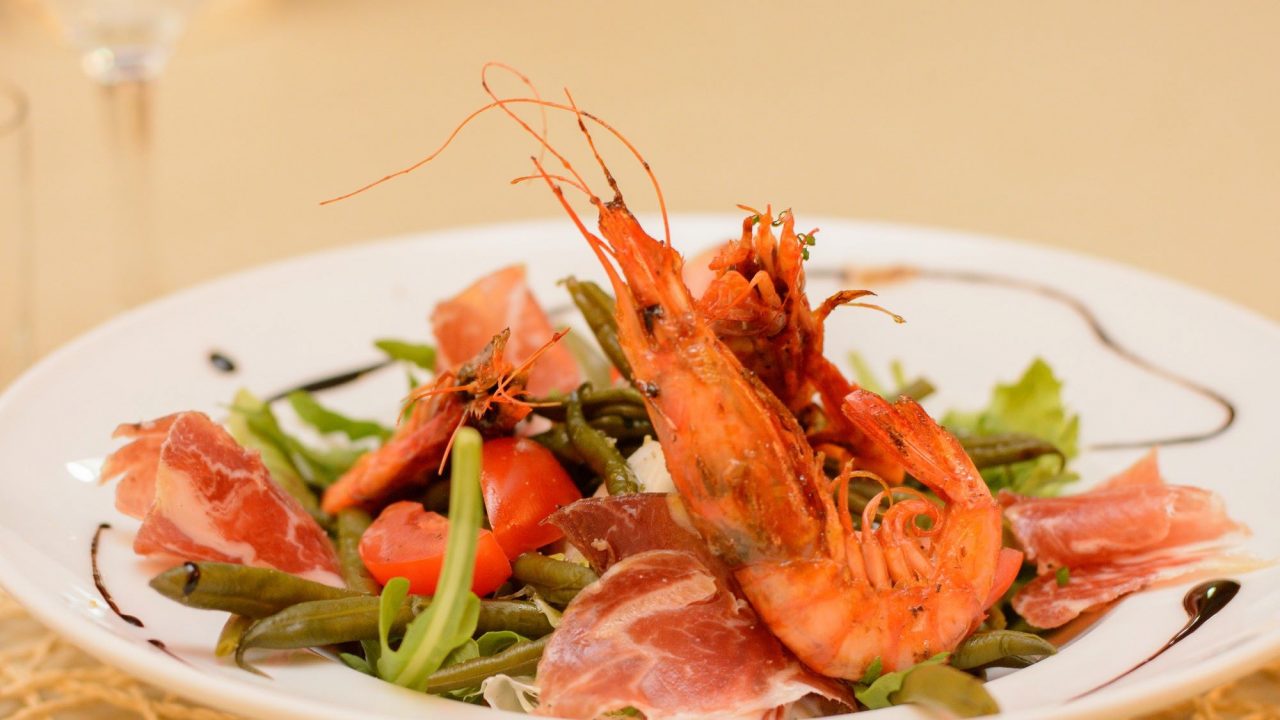
Amanida Andorrana
Andorran Mountain Salad
Lunch or dinner starter
Medium
📜 Story
Arròs de Muntanya
Andorran Mountain Rice
Sunday lunch Easy
📜 Story
Easy
📜 Story
Botifarra amb Mongetes
Beef Sausage with White Beans
Lunch or dinner
Medium
📜 Story
Canelons
Andorran Stuffed Cannelloni
Sunday lunch, Saint Stephen's Day (December 26)
Comments (0)
Log in to leave a comment.
No comments yet. Be the first to share your thoughts!