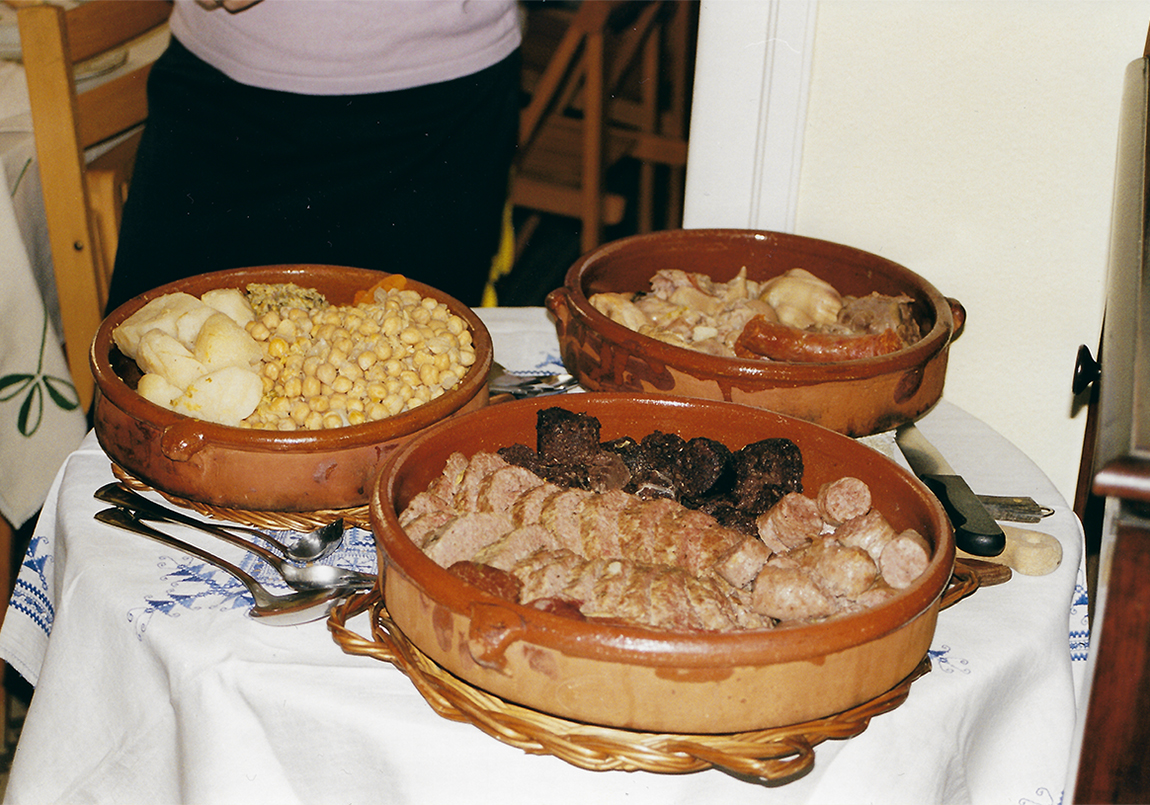
A rich mountain stew of beef, chicken, vegetables, and pasta shell stuffed with meat. Andorra's national winter warmer.
Nutrition & Info
Allergen Warnings
Equipment Needed
Presentation Guide
Vessel: deep ceramic bowl
Garnishes: fresh parsley
Accompaniments: crusty bread, carn d'olla (boiled meats on the side)
Instructions
-
1
If using dried chickpeas, drain the overnight-soaked chickpeas and place them in a large stockpot with the beef chunks, chicken thighs, halved onion, bay leaves, and 10 cups of cold water. Bring to a boil over high heat, skimming off any foam and impurities that rise to the surface with a ladle. Reduce heat to low and simmer gently, partially covered, for 90 minutes until the chickpeas are tender and the meats are nearly falling off the bone.
-
2
While the broth simmers, prepare the pilota meatball. In a mixing bowl, combine 250g of ground beef with the breadcrumbs, beaten egg, minced garlic, chopped parsley, cumin, salt, and pepper. Mix thoroughly with your hands until all ingredients are evenly distributed. Shape the mixture into one large oval meatball about the size of a fist — the pilota is traditionally a single dramatic meatball, not individual small ones. The pilota will slowly poach in the broth, enriching the liquid with its savory flavor.
-
3
After 90 minutes of simmering, carefully lower the pilota into the broth along with the carrot chunks and celery. Continue simmering gently for 20 minutes. Then add the potato quarters and cabbage wedges, pushing them below the surface of the broth. Cook for an additional 20-25 minutes until all vegetables are tender when pierced with a knife and the pilota is cooked through.
-
4
Remove all the meats, the pilota, and the vegetables from the broth using a slotted spoon, arranging them on a large warmed serving platter. Cover with foil to keep warm. Strain the broth through a fine-mesh sieve back into the pot, discarding the bay leaves and onion. Bring the strained broth to a boil, add the pasta shells, and cook for 8-10 minutes until the pasta is al dente and the broth becomes a satisfying soup.
-
5
Serve in the traditional two-course Pyrenean manner. First, ladle the rich, golden broth with pasta into deep bowls as a warming soup course. Then present the platter of sliced beef, chicken pieces, sliced pilota, and vegetables as the hearty second course, accompanied by crusty mountain bread and coarse salt. The pilota should be sliced into thick rounds to reveal its herbed interior, and each guest should receive a portion of every element.
Did You Know?
Escudella is served in two courses — the broth first, then the meat and vegetables.
Chef's Notes
Equipment Tips
- large stock pot
- sharp knife
- cutting board
- ladle
Garnishing
fresh parsley
Accompaniments
crusty bread, carn d'olla (boiled meats on the side)
The Story Behind Escudella
The Story: Escudella is Andorra's national dish, a rich mountain stew that has warmed Pyrenean families through brutal winters for centuries. The stew features a pilota, a large meatball made from ground beef, breadcrumbs, garlic, and egg, simmered alongside chickpeas, potatoes, cabbage, carrots, celery, and pasta shells. Traditionally, the broth is served first as a soup course, followed by the meats and vegetables as a second course.
On the Calendar: Escudella is the essential dish of Andorran winter, served from October through March and as the centerpiece of Christmas Day lunch.
Then & Now: While modern Andorran restaurants offer international cuisine to tourists, escudella remains the dish that every Andorran grandmother prepares during winter gatherings.
Legacy: Escudella is Andorra's edible constitution, the dish that defines what it means to eat, gather, and survive in the high Pyrenees.
More Andorran Dishes
 Easy
📜 Story
Easy
📜 Story
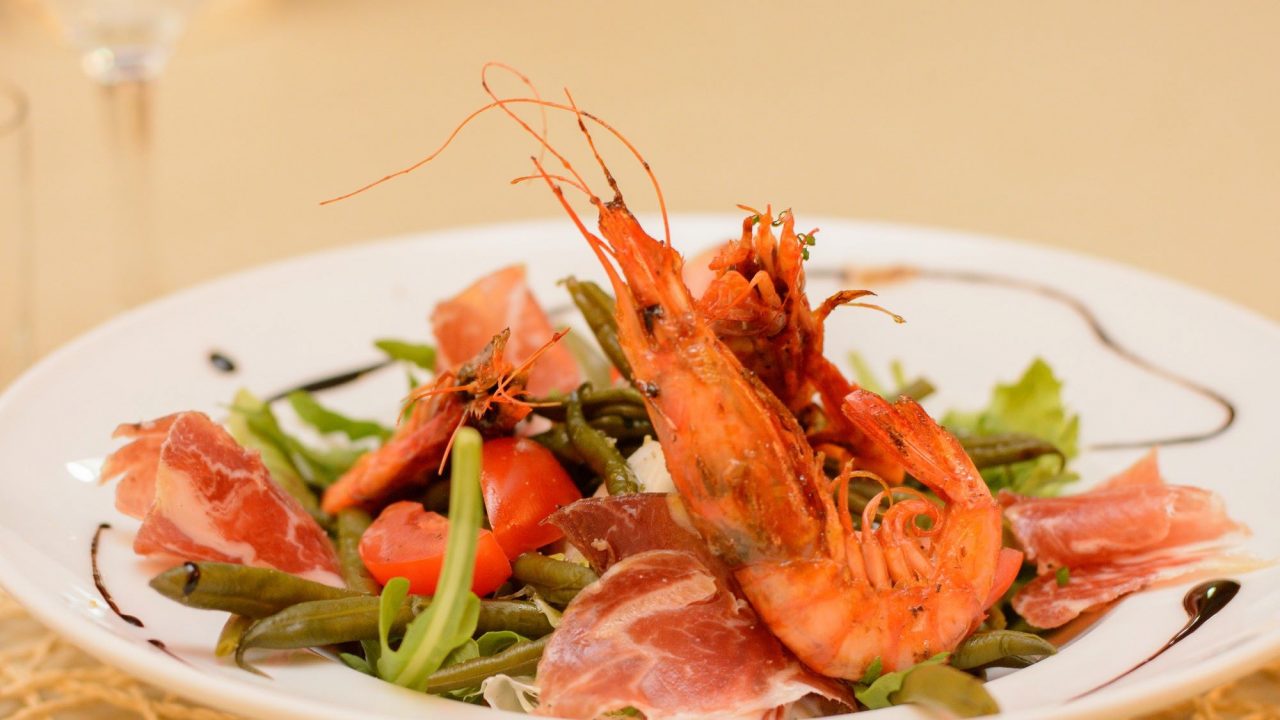
Amanida Andorrana
Andorran Mountain Salad
Lunch or dinner starter
Medium
📜 Story
Arròs de Muntanya
Andorran Mountain Rice
Sunday lunch Easy
📜 Story
Easy
📜 Story
Botifarra amb Mongetes
Beef Sausage with White Beans
Lunch or dinner
Medium
📜 Story
Canelons
Andorran Stuffed Cannelloni
Sunday lunch, Saint Stephen's Day (December 26)
Comments (0)
Log in to leave a comment.
No comments yet. Be the first to share your thoughts!