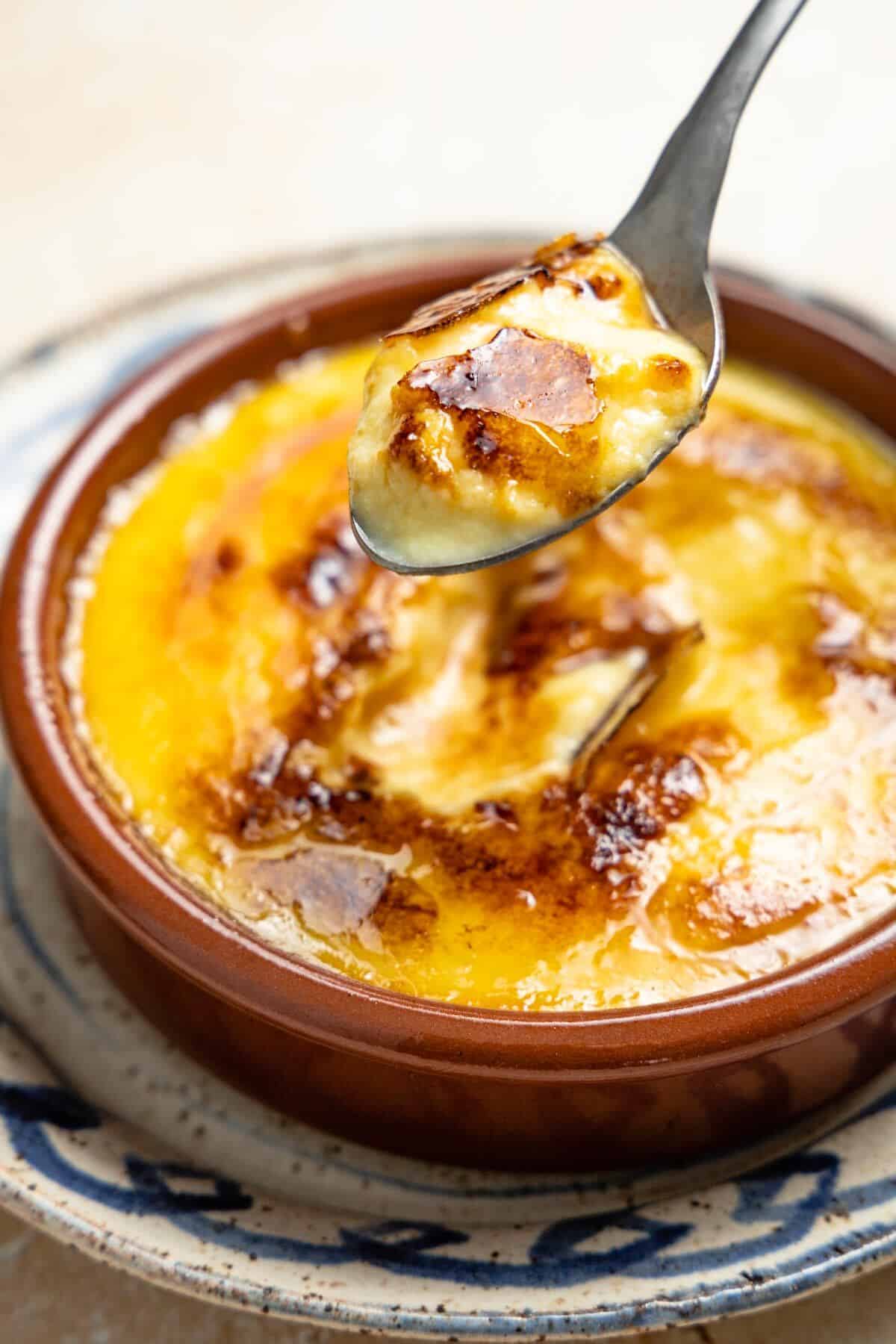
Crema Catalana
Crema Catalana (KREH-mah kah-tah-LAH-nah)
Catalan Burnt Cream
A silky custard infused with cinnamon and lemon zest, topped with a shattering layer of caramelized sugar. This Andorran and Catalan classic is the Iberian predecessor to French crème brûlée.
Nutrition & Info
Allergen Warnings
Equipment Needed
Presentation Guide
Vessel: individual clay ramekins
Garnishes: cinnamon stick, lemon zest curl
Instructions
-
1
Pour the milk into a saucepan with the lemon zest strips and cinnamon stick. Heat over medium until just barely simmering, then remove from heat, cover, and let the aromatics infuse for 15 minutes. The milk should taste distinctly of cinnamon and lemon.
-
2
In a large bowl, whisk the egg yolks with 3/4 cup sugar until pale and thick, about 3 minutes. Add the cornstarch and whisk until completely smooth with no lumps remaining.
-
3
Strain the infused milk through a fine sieve, discarding the lemon zest and cinnamon. Gradually pour the warm milk into the egg mixture while whisking constantly. This tempering process prevents the eggs from scrambling.
-
4
Return the mixture to the saucepan over medium-low heat. Stir constantly with a wooden spoon in a figure-eight pattern for 8-10 minutes until the custard thickens enough to coat the back of the spoon and leaves a clear trail when you draw your finger through it.
-
5
Remove from heat immediately when thickened and stir in the vanilla extract. Pour the custard into 6 individual ramekins or shallow clay dishes, filling each about three-quarters full.
-
6
Let the custards cool to room temperature, then refrigerate for at least 4 hours or overnight until completely set and chilled through. The custard should be firm but still tremble slightly when the ramekin is gently shaken.
-
7
Just before serving, sprinkle an even layer of sugar over each custard. Using a kitchen torch, caramelize the sugar by holding the flame 5-8cm from the surface, moving in slow circles until the sugar melts, bubbles, and turns a deep amber. Let the caramel harden for 1 minute, then serve immediately while the top is still crackling.
Did You Know?
Catalans and Andorrans firmly believe crema catalana predates French crème brûlée by several centuries, and they have documentation to back it up. Recipes appear in Catalan cookbooks as early as the 14th century.
Chef's Notes
Equipment Tips
- saucepan
- individual ramekins
- kitchen torch
Garnishing
cinnamon stick, lemon zest curl
The Story Behind Crema Catalana
Crema catalana is one of Europe's oldest desserts, with documented recipes dating to medieval Catalan cookbooks. It is traditionally served on March 19, Saint Joseph's Day, making it one of the few European desserts tied to a specific calendar date.
In Andorra, which shares the Catalan culinary tradition, crema catalana is the most popular dessert and a point of cultural pride. The use of cinnamon and citrus zest distinguishes it from French crème brûlée.
Today crema catalana is served year-round in Andorran restaurants, though purists insist it is most meaningful when enjoyed on its traditional date.
More Andorran Dishes
 Easy
📜 Story
Easy
📜 Story
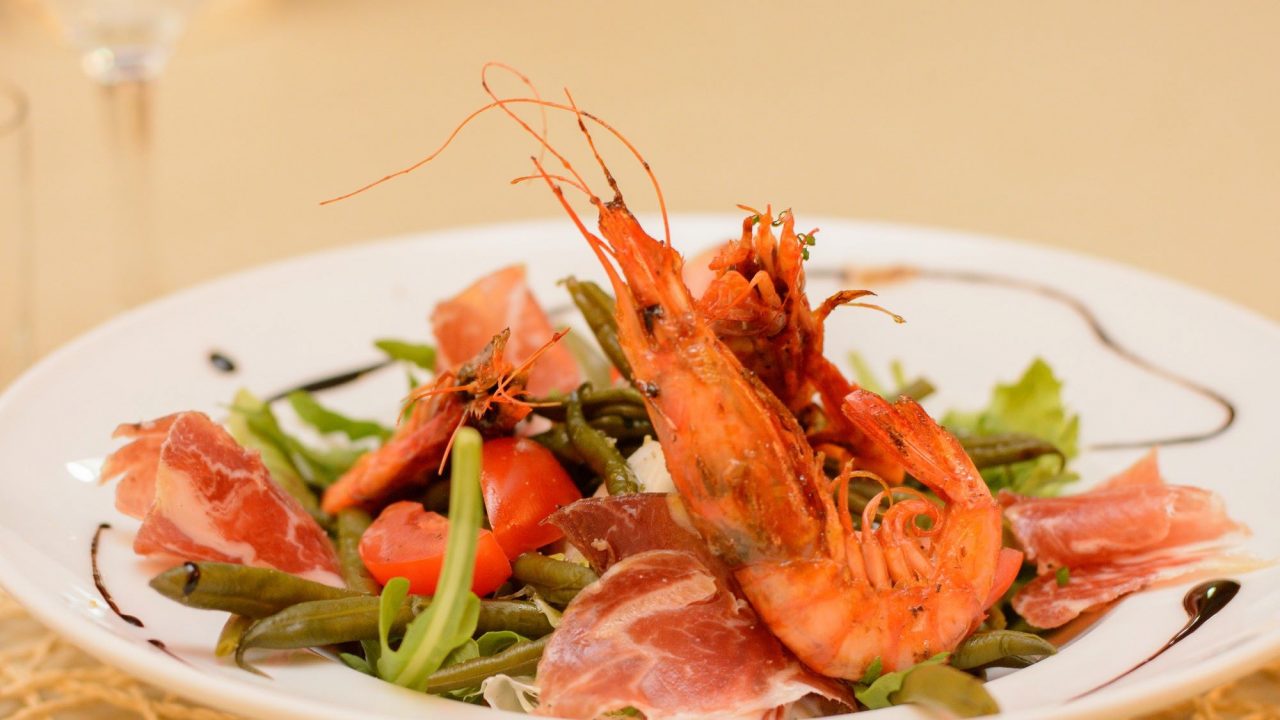
Amanida Andorrana
Andorran Mountain Salad
Lunch or dinner starter
Medium
📜 Story
Arròs de Muntanya
Andorran Mountain Rice
Sunday lunch Easy
📜 Story
Easy
📜 Story
Botifarra amb Mongetes
Beef Sausage with White Beans
Lunch or dinner
Medium
📜 Story
Canelons
Andorran Stuffed Cannelloni
Sunday lunch, Saint Stephen's Day (December 26)
Comments (0)
Log in to leave a comment.
No comments yet. Be the first to share your thoughts!