
Fiery, paprika-red lamb sausages seasoned with cumin, harissa, and fennel, grilled until the casings snap and release intensely flavorful juices. These North African sausages are one of Algeria's greatest culinary exports.
Instructions
-
1
Combine the ground lamb with all the spices, garlic, harissa paste, salt, and pepper in a large bowl. Mix thoroughly with your hands for 5 minutes until the spices are evenly distributed and the mixture becomes tacky and slightly emulsified.
-
2
Cover the spiced lamb mixture and refrigerate for at least 1 hour, or preferably overnight. This resting period allows the spices to bloom and the flavors to penetrate deeply into the meat.
-
3
Rinse the soaked lamb casings inside and out with cold water. Thread the open end of a casing onto a sausage stuffer nozzle or a large piping tip, gathering the casing onto the nozzle like a stocking.
-
4
Feed the spiced lamb mixture through the stuffer, filling the casings evenly without air pockets. The sausages should be full but not overly tight, as they will expand during cooking. Twist into 12-15cm links.
-
5
Prick each sausage 2-3 times with a needle to prevent bursting during grilling. Let the formed sausages rest at room temperature for 15 minutes before cooking to ensure even cooking.
-
6
Grill the merguez over medium-high heat for 10-12 minutes, turning every 2-3 minutes, until the casings are deeply browned and crispy and the internal temperature reaches 71°C (160°F). The fat should render and create occasional flare-ups that char the exterior.
-
7
Rest the grilled merguez for 3 minutes before serving. Arrange on a platter with harissa on the side, warm bread, and a simple salad of tomatoes and onions.
Did You Know?
Merguez has become so popular in France that it outsells all other sausage varieties during summer barbecue season. French supermarkets stock more merguez than any other fresh sausage from May to September.
The Story Behind Merguez
Merguez originated in North Africa, with both Algeria and Tunisia claiming credit. The sausage's vibrant red color comes from generous amounts of paprika and harissa, not from artificial coloring.
Algerian immigrants brought merguez to France in the twentieth century, where it became a staple of French barbecue culture and street food, particularly in couscous restaurants.
Today merguez is enjoyed worldwide, but the most authentic versions remain those made with pure lamb, hand-ground spices, and natural casings, as prepared by Algerian butchers.
More Algerian Dishes
 Medium
📜 Story
Medium
📜 Story
Bourek
Algerian Stuffed Pastry Rolls
Ramadan iftar, celebrations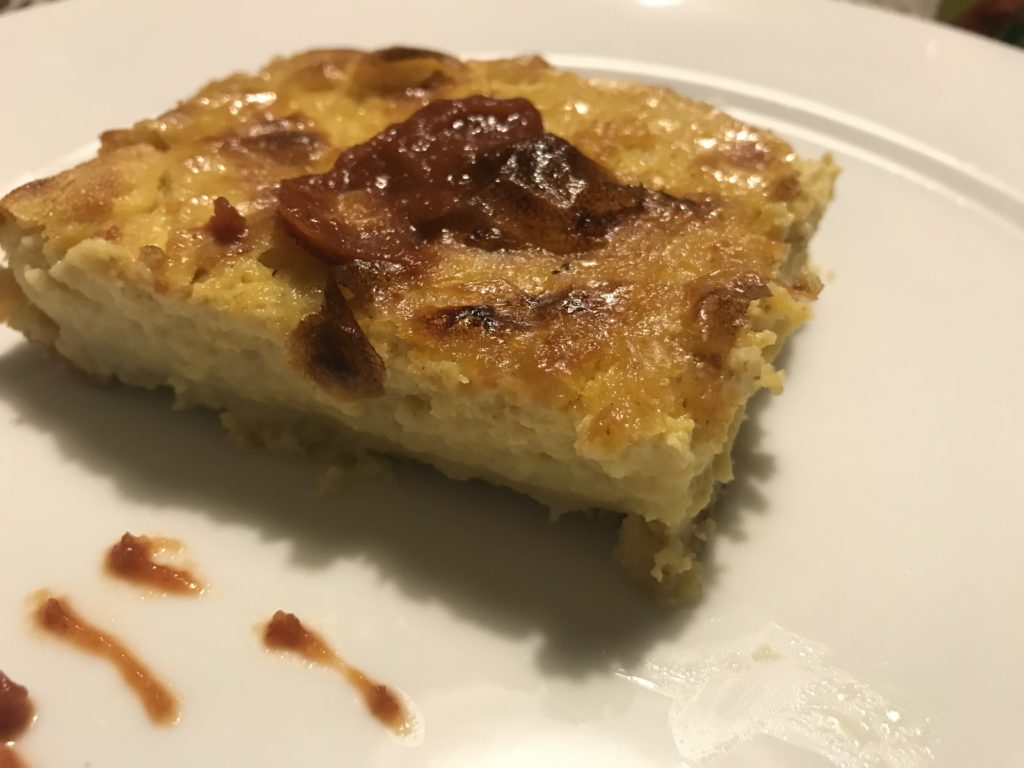 Medium
📜 Story
Medium
📜 Story
Bradj
Algerian Semolina Date Cake
Snack, Ramadan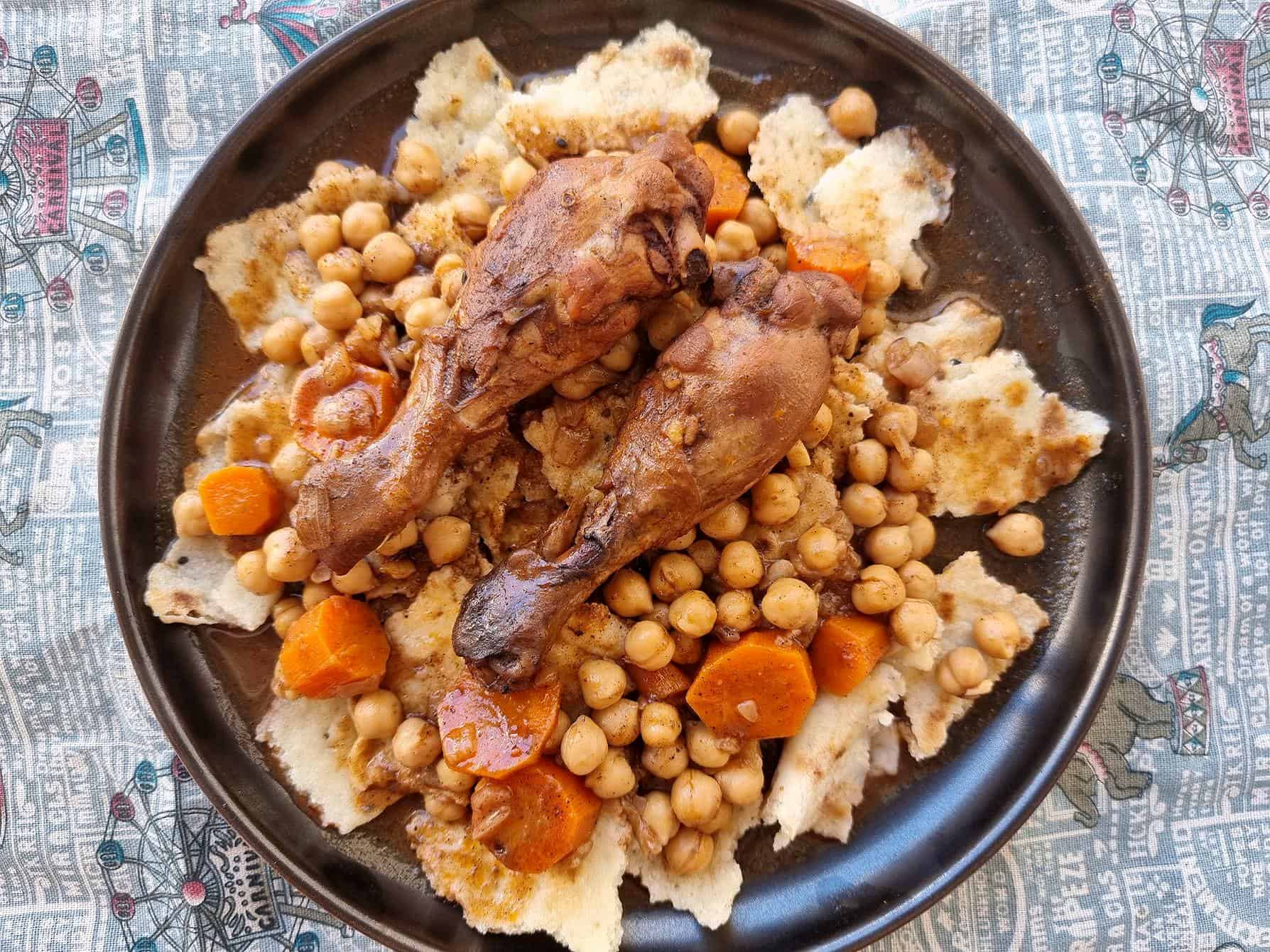 Medium
📜 Story
Medium
📜 Story
Chakhchoukha
Torn Flatbread Stew
Lunch, festive occasions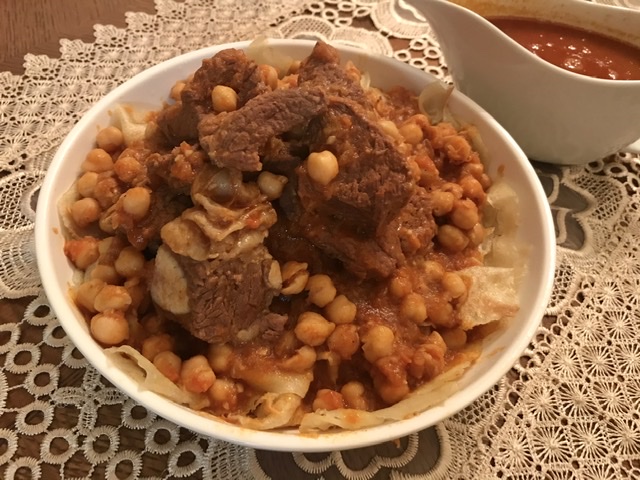 Hard
📜 Story
Hard
📜 Story
Chakhchoukha Biskria
Biskra-Style Torn Bread in Spiced Sauce
Friday lunch, celebrations
Comments (0)
Log in to leave a comment.
No comments yet. Be the first to share your thoughts!