
Diamond-shaped semolina pastries filled with a spiced date paste, deep-fried until golden, and dipped in warm honey syrup. These iconic North African sweets are synonymous with Algerian celebrations and hospitality.
Nutrition & Info
Allergen Warnings
Equipment Needed
Presentation Guide
Vessel: decorative platter
Garnishes: sesame seeds
Accompaniments: mint tea
Instructions
-
1
Mix the semolina with salt in a large bowl. Add the vegetable oil and melted butter, rubbing the mixture between your palms until it resembles wet sand. Gradually add warm water and knead until a soft, pliable dough forms that holds together without cracking.
-
2
Prepare the date filling by processing the pitted dates in a food processor with cinnamon and orange blossom water until a smooth, thick paste forms. If the dates are dry, add a teaspoon of water. Roll the paste into long ropes about 1.5cm in diameter.
-
3
Divide the semolina dough into portions and roll each into a long rectangle about 8cm wide and 5mm thick. Place a rope of date paste along the center of each rectangle.
-
4
Fold the dough over the date filling, enclosing it completely, and press the edges to seal. Roll gently to smooth the surface. Using a sharp knife, cut into diamond shapes about 4cm long, making diagonal cuts.
-
5
Heat vegetable oil for deep frying to 170°C (340°F). Fry the makroud in batches for 3-4 minutes, turning once, until deep golden brown on all sides. Remove with a slotted spoon and drain briefly on paper towels.
-
6
Prepare the honey syrup by warming the honey with water and orange blossom water in a saucepan until fluid and aromatic. Do not boil, as this destroys the delicate flavors.
-
7
Dip the still-warm makroud into the honey syrup, turning them to coat all surfaces. Let excess syrup drip off, then arrange on a serving platter. Allow to cool and set for 30 minutes before serving.
Did You Know?
In the city of Kairouan, where makroud is said to have originated, there is an annual competition for the best makroud maker. Winners gain celebrity status and their shops become pilgrimage destinations for sweet lovers.
Chef's Notes
Equipment Tips
- deep fryer or pot
- saucepan
- rolling pin
Garnishing
sesame seeds
Accompaniments
mint tea
The Story Behind Makroud
Makroud is one of the oldest pastries in North African cuisine, with origins possibly dating to the medieval period when date cultivation and semolina production were both well established.
The pastry spread across the Maghreb and became particularly beloved in Algeria, where it is associated with every major celebration from weddings to Eid festivities.
Today makroud is made commercially throughout Algeria but the finest versions are still handmade by home bakers who have inherited their family's secret proportions of dates, semolina, and spices.
More Algerian Dishes
 Medium
📜 Story
Medium
📜 Story
Bourek
Algerian Stuffed Pastry Rolls
Ramadan iftar, celebrations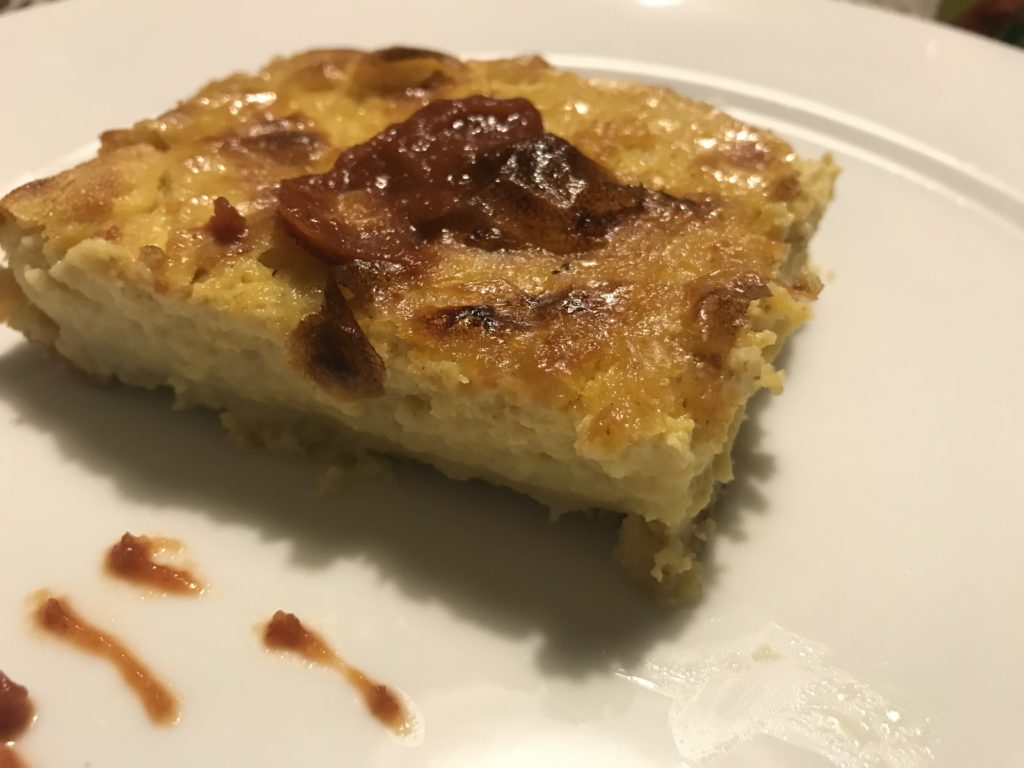 Medium
📜 Story
Medium
📜 Story
Bradj
Algerian Semolina Date Cake
Snack, Ramadan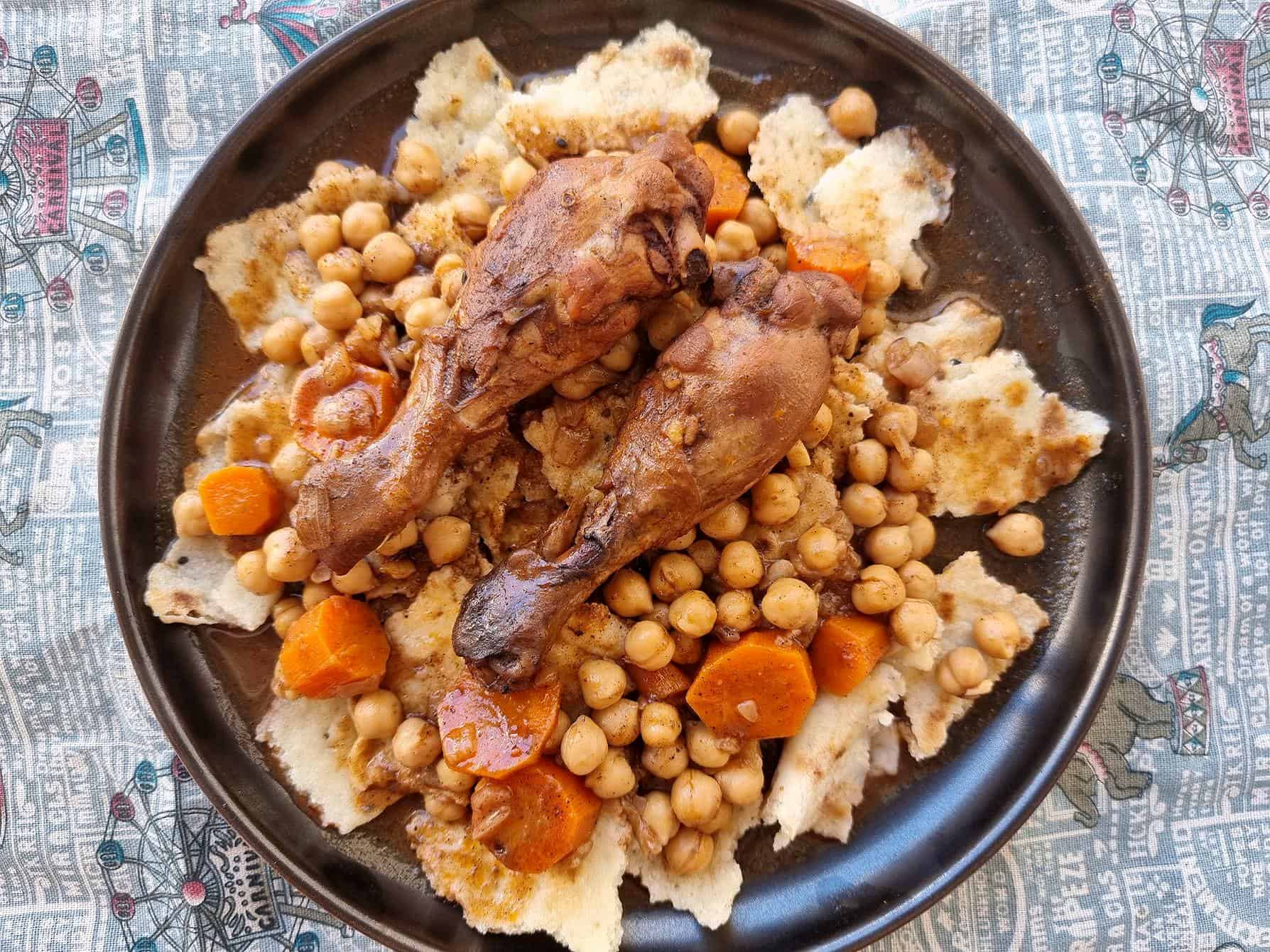 Medium
📜 Story
Medium
📜 Story
Chakhchoukha
Torn Flatbread Stew
Lunch, festive occasions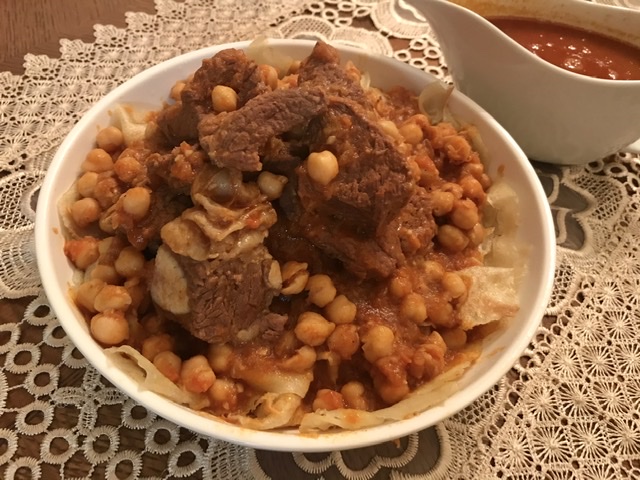 Hard
📜 Story
Hard
📜 Story
Chakhchoukha Biskria
Biskra-Style Torn Bread in Spiced Sauce
Friday lunch, celebrations
Comments (0)
Log in to leave a comment.
No comments yet. Be the first to share your thoughts!