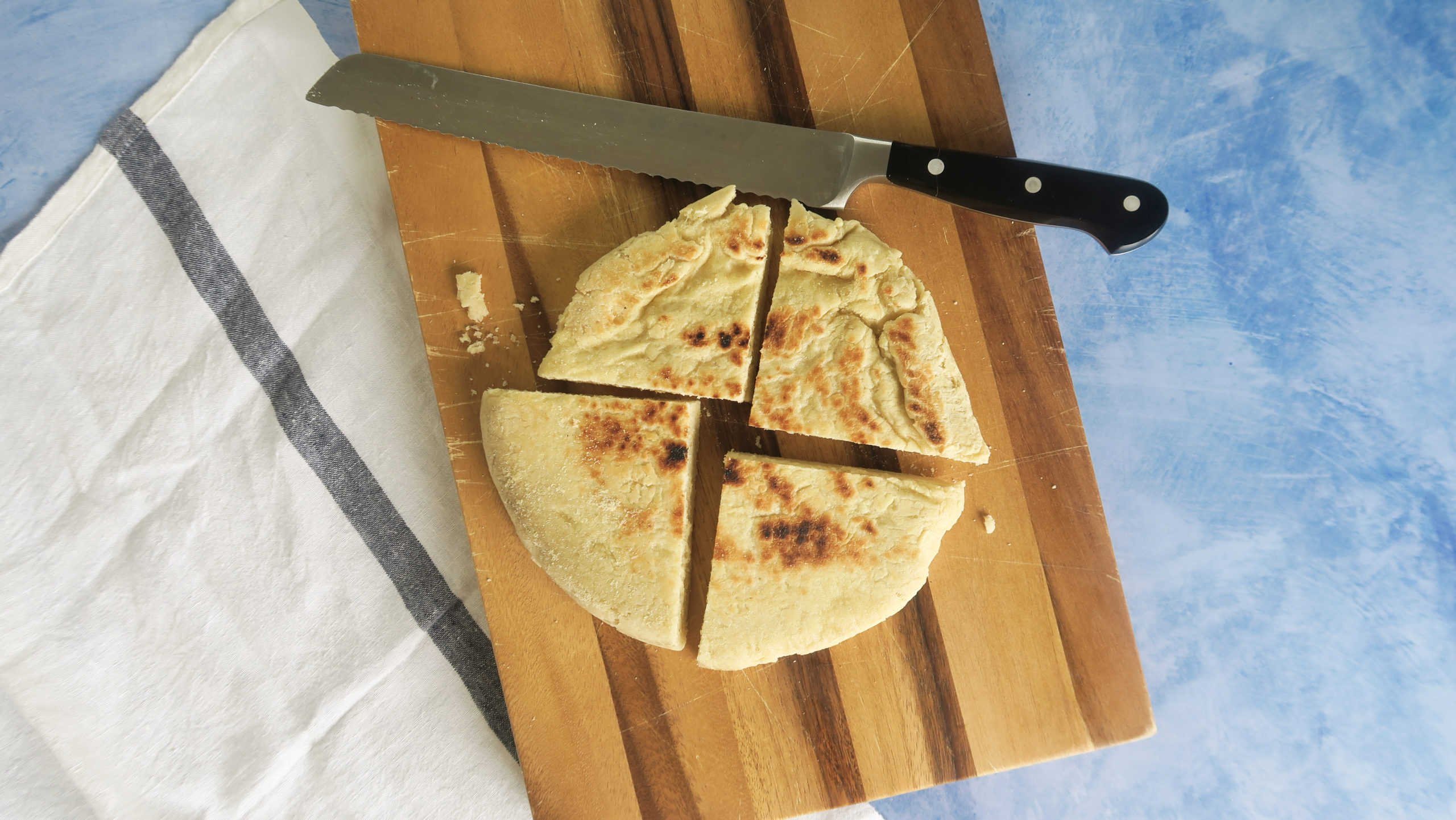
A golden, slightly crispy semolina flatbread cooked on a griddle, with a tender, slightly crumbly interior. This essential Algerian bread accompanies every meal and is the foundation of the country's bread culture.
Instructions
-
1
Combine the semolina, flour, and salt in a large bowl. Add the olive oil and rub it into the dry ingredients with your fingertips until the mixture is evenly coated and feels like damp sand.
-
2
Gradually add warm water while mixing with your hands, adding just enough to bring the dough together into a soft, smooth ball. The dough should not be sticky but should be moist enough to hold together without cracking.
-
3
Knead the dough for 5 minutes until smooth and elastic. Cover with a damp cloth and let rest for 15 minutes. This allows the semolina to fully hydrate, resulting in a more tender bread.
-
4
Divide the dough into 2 equal portions. Shape each into a smooth ball, then flatten into a round disc about 20cm in diameter and 1cm thick. Press nigella seeds into the surface if using.
-
5
Heat a dry griddle or heavy skillet over medium heat. When a drop of water sizzles and evaporates immediately, the surface is ready. Place one kesra on the griddle and cook for 6-7 minutes per side.
-
6
The bread is done when both sides are golden brown with darker spots, and the center feels firm when pressed. The internal temperature should be set but the bread should remain slightly flexible.
-
7
Remove from the griddle and wrap in a clean kitchen towel to keep warm and soft while cooking the second kesra. Break into pieces by hand at the table and serve warm alongside any dish.
Did You Know?
Kesra is so fundamental to Algerian meals that the word for bread in Algerian dialect has become synonymous with food itself. When Algerians say they are going to eat, they literally say they are going to eat bread.
The Story Behind Kesra
Kesra is the oldest and most fundamental bread in Algerian cuisine, predating oven-baked breads by millennia. Its preparation on a flat stone or griddle connects modern Algerians to their Berber ancestors.
Every region of Algeria has its own kesra variation, differing in thickness, the ratio of semolina to flour, and the type of fat used. The bread is never sliced but always broken by hand.
Today kesra remains Algeria's daily bread, accompanying every meal from a simple bowl of chorba to an elaborate feast. No Algerian table is complete without freshly made kesra.
More Algerian Dishes
 Medium
📜 Story
Medium
📜 Story
Bourek
Algerian Stuffed Pastry Rolls
Ramadan iftar, celebrations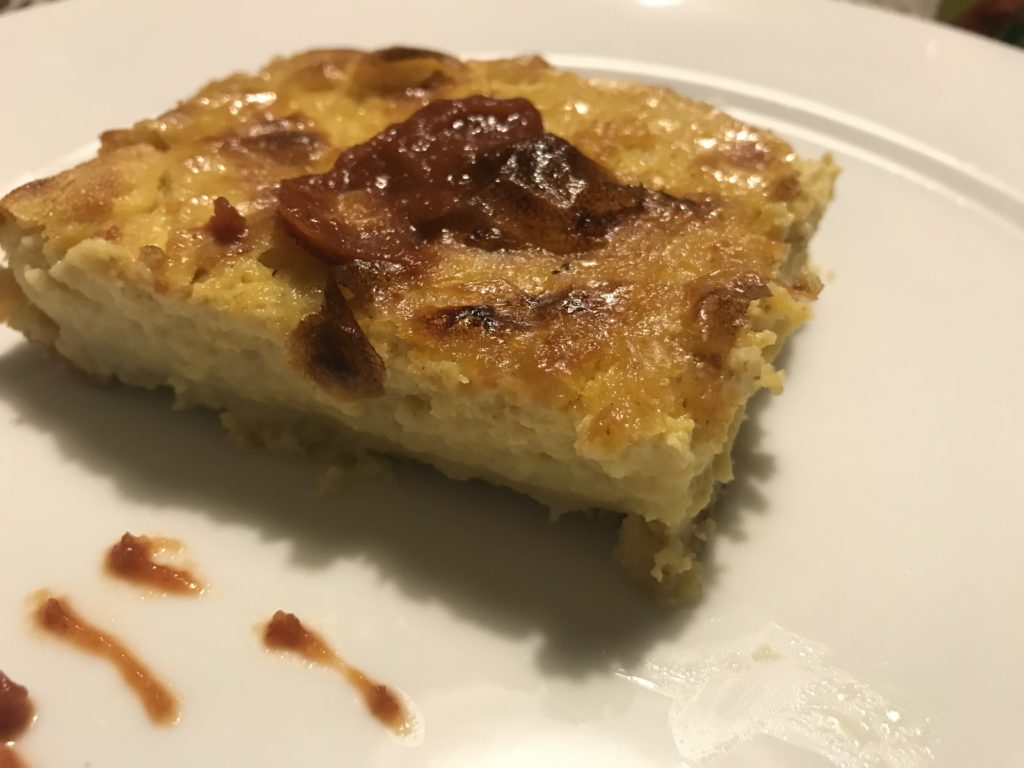 Medium
📜 Story
Medium
📜 Story
Bradj
Algerian Semolina Date Cake
Snack, Ramadan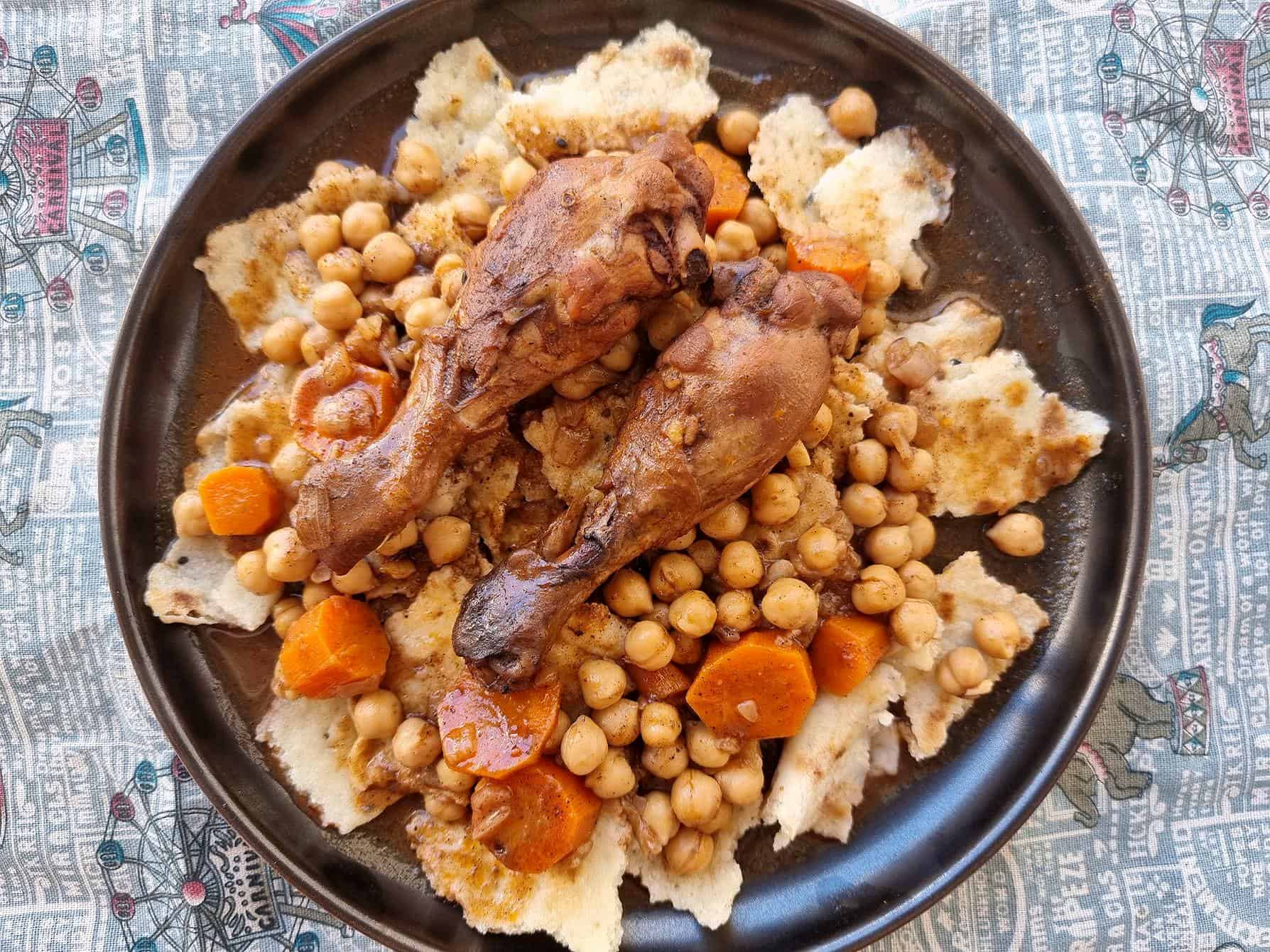 Medium
📜 Story
Medium
📜 Story
Chakhchoukha
Torn Flatbread Stew
Lunch, festive occasions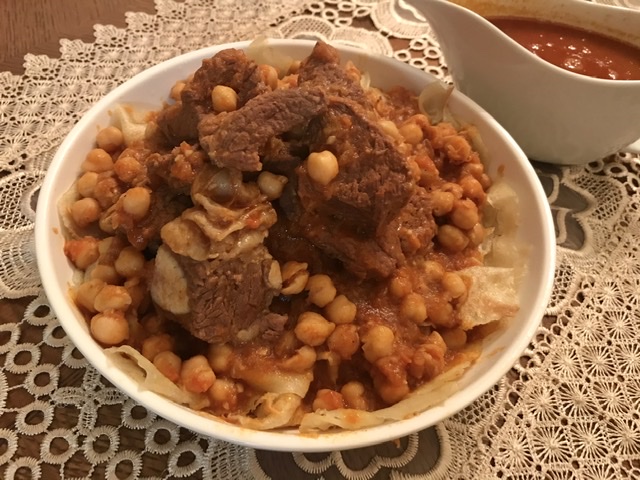 Hard
📜 Story
Hard
📜 Story
Chakhchoukha Biskria
Biskra-Style Torn Bread in Spiced Sauce
Friday lunch, celebrations
Comments (0)
Log in to leave a comment.
No comments yet. Be the first to share your thoughts!