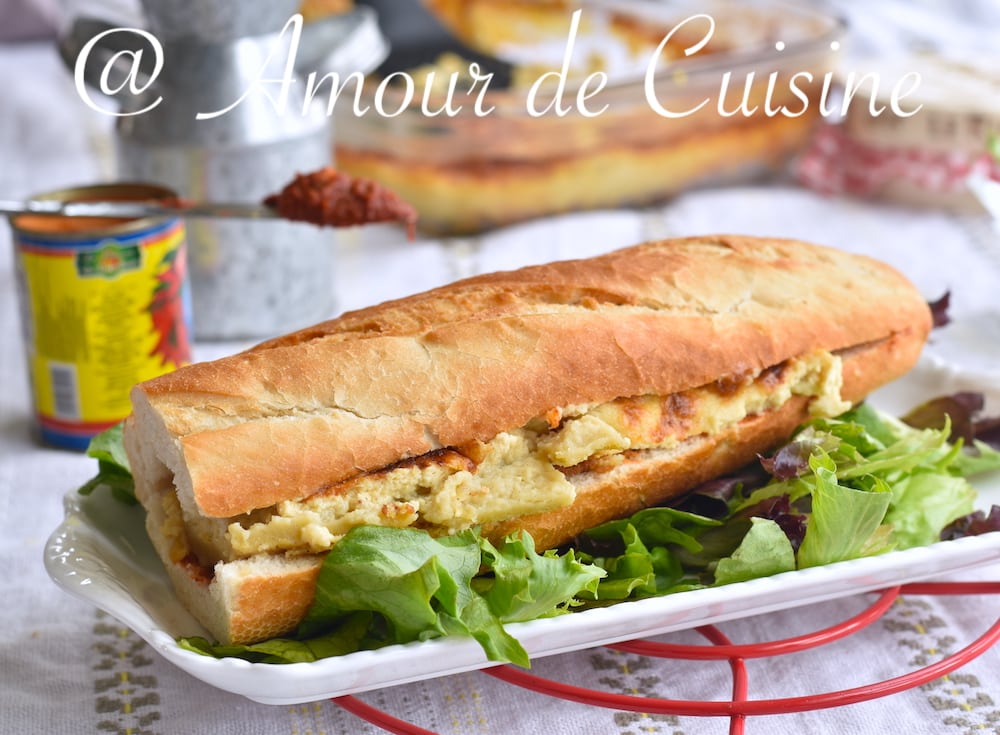
A savory, custardy baked flan made from chickpea flour, eggs, and cumin, served hot with a fiery harissa drizzle. This beloved Algerian street food from Oran delivers bold flavors from the simplest ingredients.
Nutrition & Info
Allergen Warnings
Equipment Needed
Presentation Guide
Instructions
-
1
Preheat the oven to 220°C (430°F). Generously oil a large baking dish or cast-iron skillet with olive oil and place it in the oven to heat while you prepare the batter.
-
2
In a large bowl, whisk the chickpea flour with water until completely smooth and free of lumps. The mixture should have the consistency of thin pancake batter that flows freely from the whisk.
-
3
Add the beaten eggs, olive oil, cumin, salt, and black pepper to the chickpea mixture. Whisk vigorously for 2 minutes until everything is thoroughly combined and the batter is uniform in color.
-
4
Carefully remove the hot baking dish from the oven. Pour the batter into the sizzling dish; it should immediately begin to set around the edges. The hot oil creates a crispy bottom layer.
-
5
Bake for 35-40 minutes until the top is set and deeply golden brown, with some darker spots. The center should be just barely set and still slightly custardy. The surface should have an appealing crackled appearance.
-
6
Remove from the oven and let cool for 5 minutes. Cut into squares or wedges directly in the baking dish. The texture should be firm enough to hold its shape but creamy and custardy in the center.
-
7
Serve hot with a generous smear of harissa paste on top of each piece. The combination of the mild, cumin-scented chickpea custard with the fiery harissa is what makes karantika irresistible.
Did You Know?
Karantika vendors in Oran are legendary for their speed and precision, slicing perfect squares from enormous baking trays and topping each piece with the customer's preferred amount of harissa without missing a beat.
Chef's Notes
The Story Behind Karantika
Karantika emerged during the French colonial period in Oran as an affordable, nutritious street food accessible to working-class Algerians. Its simplicity and low cost made it a democratic dish enjoyed across social classes.
The name likely derives from the Italian 'quarantina' referring to a 40-day period, though its exact etymology is debated. The dish shares DNA with Ligurian farinata and Niçoise socca.
Today karantika is Oran's most iconic street food and has spread to cities across Algeria, prized for its satisfying combination of cumin-scented chickpea custard and fiery harissa.
More Algerian Dishes
 Medium
📜 Story
Medium
📜 Story
Bourek
Algerian Stuffed Pastry Rolls
Ramadan iftar, celebrations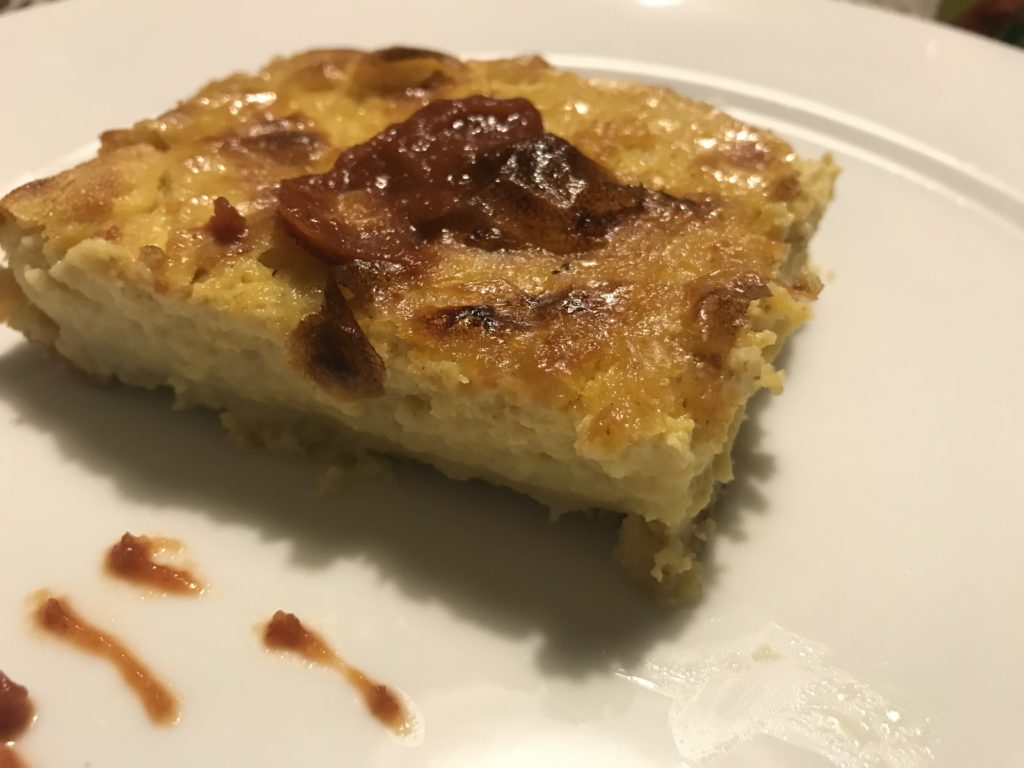 Medium
📜 Story
Medium
📜 Story
Bradj
Algerian Semolina Date Cake
Snack, Ramadan Medium
📜 Story
Medium
📜 Story
Chakhchoukha
Torn Flatbread Stew
Lunch, festive occasions Hard
📜 Story
Hard
📜 Story
Chakhchoukha Biskria
Biskra-Style Torn Bread in Spiced Sauce
Friday lunch, celebrations
Comments (0)
Log in to leave a comment.
No comments yet. Be the first to share your thoughts!