
Fluffy hand-rolled semolina couscous steamed to perfection and topped with tender lamb, chicken, and vegetables in a fragrant broth.
Nutrition & Info
Allergen Warnings
Equipment Needed
Presentation Guide
Vessel: large shallow ceramic bowl
Garnishes: fresh parsley, chickpeas, raisins
Accompaniments: harissa sauce, turnips, buttermilk
Instructions
-
1
Heat 3 tablespoons of olive oil in the bottom of a large couscoussier or stockpot over medium-high heat until shimmering. Season the lamb cubes and chicken thighs with salt, pepper, and a pinch of ras el hanout. Sear the lamb for 4-5 minutes until browned on all sides, then remove. Brown the chicken thighs skin-side down for 5 minutes until the skin is golden and crispy. Remove both meats and set aside on a plate.
-
2
In the same pot, add the quartered onions and cook for 5-6 minutes until softened and lightly golden. Stir in the tomato paste, remaining ras el hanout, and cumin, cooking for 2 minutes until the spices bloom and become intensely fragrant. Return the lamb and chicken to the pot, add 8 cups of water or stock, and bring to a boil. Reduce heat to a gentle simmer, cover, and cook for 45 minutes until the lamb is nearly tender.
-
3
Add the carrots and turnips to the simmering broth, nestling them around the meat. Continue cooking for 15 minutes. Then add the zucchini rounds and drained chickpeas, cooking for an additional 10 minutes until all vegetables are tender but still hold their shape. Taste the broth and adjust seasoning with salt and pepper.
-
4
Meanwhile, prepare the couscous by placing the dry granules in a large shallow bowl. Drizzle with 1 tablespoon of olive oil and sprinkle with 1/2 teaspoon of salt. Gradually add 1 cup of warm water while raking the grains with your fingers to prevent clumping. Let the couscous absorb the water for 10 minutes, then break up any lumps with your fingers, rubbing the grains between your palms.
-
5
Transfer the moistened couscous to the steamer basket (top tier of the couscoussier) and set it over the simmering broth. Steam uncovered for 20 minutes, then turn the couscous out into the bowl, add 2 tablespoons of butter and another 1/2 cup of warm water, and rake through with a fork to fluff and separate every grain. Return to the steamer for a second 15-minute steaming. The finished couscous should be light, fluffy, and each grain perfectly separate.
-
6
During the final steaming, add the merguez sausages to the broth and simmer for 10-12 minutes until cooked through and plump, turning once halfway. The sausages should be firm to the touch and heated all the way through, their spicy flavor infusing the surrounding broth.
-
7
To serve in the traditional manner, mound the fluffy couscous in a large dome on a wide serving platter. Create a well in the center and arrange the lamb, chicken, and sliced merguez around and on top. Artfully place the vegetables around the meat, then ladle several spoonfuls of the rich, spiced broth over the couscous to moisten it. Serve the remaining broth in a separate bowl alongside harissa paste, allowing each guest to add heat and moisture to their preference.
Did You Know?
UNESCO inscribed couscous-making as Intangible Cultural Heritage shared by Algeria, Morocco, Tunisia, and Mauritania.
Chef's Notes
Equipment Tips
- couscoussier
- large pot
- sharp knife
- cutting board
Garnishing
fresh parsley, chickpeas, raisins
Accompaniments
harissa sauce, turnips, buttermilk
The Story Behind Couscous Royal
The Story: Couscous is the undisputed monarch of Algerian cuisine, with roots stretching back over a thousand years to the Amazigh peoples of the Maghreb. Archaeological evidence of couscous preparation vessels dating to the ninth century has been found in Algeria. Royal couscous, the most lavish preparation, crowns the steamed semolina granules with multiple meats, typically lamb, chicken, and merguez, alongside a garden of vegetables including carrots, turnips, zucchini, and chickpeas. The art of hand-rolling couscous, passing semolina through moistened fingers to form uniform granules, is a skill passed from mother to daughter.
On the Calendar: Couscous is served every Friday after prayers in most Algerian households, a tradition so universal it functions as a national ritual. The royal version appears at weddings, Eid celebrations, and gatherings where abundance must be displayed.
Then & Now: UNESCO inscribed the knowledge and practices of couscous-making across the Maghreb on its Intangible Cultural Heritage list in 2020, recognizing Algeria, Morocco, Tunisia, and Mauritania jointly. While factory-produced couscous has simplified weeknight cooking, hand-rolled couscous remains the standard for ceremonial occasions.
Legacy: Couscous royal is not merely a dish but a declaration of Algerian identity, connecting the contemporary table to an unbroken Amazigh tradition spanning more than a millennium.
More Algerian Dishes
 Medium
📜 Story
Medium
📜 Story
Bourek
Algerian Stuffed Pastry Rolls
Ramadan iftar, celebrations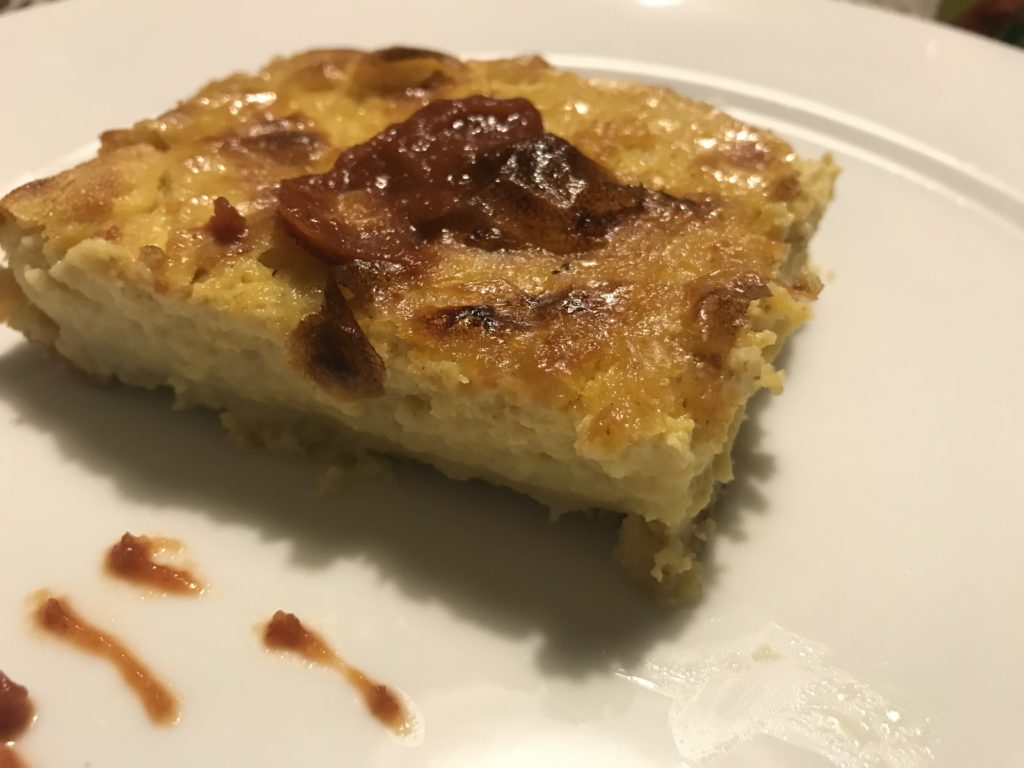 Medium
📜 Story
Medium
📜 Story
Bradj
Algerian Semolina Date Cake
Snack, Ramadan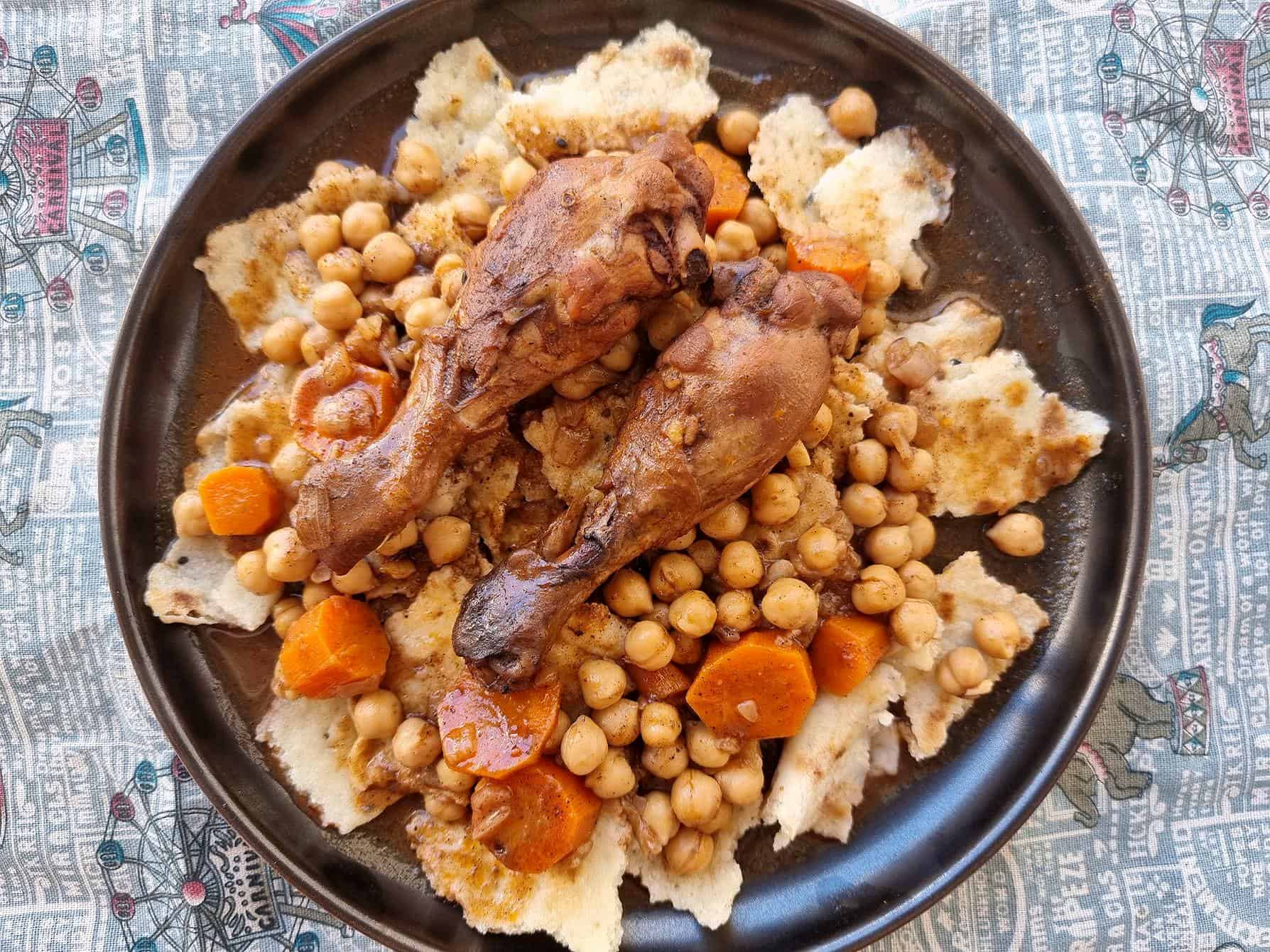 Medium
📜 Story
Medium
📜 Story
Chakhchoukha
Torn Flatbread Stew
Lunch, festive occasions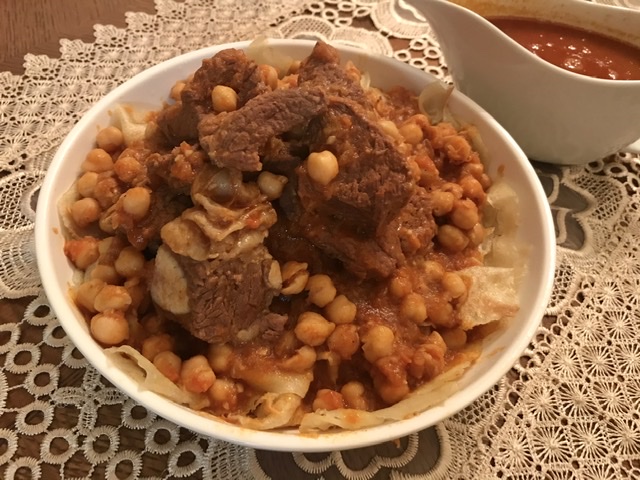 Hard
📜 Story
Hard
📜 Story
Chakhchoukha Biskria
Biskra-Style Torn Bread in Spiced Sauce
Friday lunch, celebrations
Comments (0)
Log in to leave a comment.
No comments yet. Be the first to share your thoughts!