
Thin, crispy flatbread stuffed with seasoned potatoes or leeks, pan-fried until golden and shatteringly crisp. Afghanistan's favorite street snack, served with yogurt and fresh chutney.
Nutrition & Info
Allergen Warnings
Equipment Needed
Presentation Guide
Vessel: flat platter
Garnishes: fresh cilantro, green chutney
Accompaniments: yogurt dip, pickled vegetables
Instructions
-
1
In a large mixing bowl, combine 3 cups of flour with 1 teaspoon of salt. Gradually pour in 1 cup of warm water and 2 tablespoons of vegetable oil, mixing with your hands until a shaggy dough forms. Knead on a lightly floured surface for 8-10 minutes until the dough becomes smooth, elastic, and springs back when pressed with a finger. Cover with a damp cloth and rest for at least 30 minutes at room temperature.
-
2
While the dough rests, prepare the filling. Drain and mash the boiled potatoes in a large bowl until smooth with no lumps remaining. Add the finely chopped scallions, cilantro, ground coriander, cumin, black pepper, and salt to taste. Mix thoroughly until the herbs and spices are evenly distributed throughout the potato mixture. The filling should be well-seasoned and aromatic.
-
3
Divide the rested dough into 8 equal balls, each roughly the size of a golf ball. On a lightly floured surface, roll each ball into a thin oval or circle about 8 inches in diameter and 2-3 millimeters thick. The dough should be thin enough to see the shadow of your hand through it, which ensures a crispy result when fried.
-
4
Spread approximately 3 tablespoons of the potato filling evenly over one half of each rolled-out dough circle, leaving a 1/2-inch border around the edges. Fold the uncovered half over the filling to create a half-moon shape. Press the edges firmly together with your fingertips, then crimp with the tines of a fork to seal completely and prevent the filling from leaking during frying.
-
5
Heat a large heavy-bottomed skillet or cast-iron pan over medium heat with enough vegetable oil to generously coat the bottom, about 3 tablespoons. When the oil shimmers and a small piece of dough sizzles immediately upon contact, carefully place one or two bolani in the pan. Cook for 3-4 minutes per side until the flatbread turns deep golden brown and develops crispy, blistered spots across the surface.
-
6
Transfer the cooked bolani to a wire rack or paper towel-lined plate to drain excess oil. Continue frying the remaining bolani, adding more oil to the pan as needed between batches. Keep finished bolani warm in a low oven set to 100°C/200°F while you cook the rest.
-
7
Serve the bolani hot, cut into wedges or left whole, alongside a bowl of cool, creamy plain yogurt and bright cilantro-mint chutney. The contrast between the crispy, golden bread and the tangy accompaniments is the hallmark of a perfectly prepared bolani.
Did You Know?
Bolani is the Afghan equivalent of a grilled cheese — simple, comforting, and universally loved. Every household has a slightly different filling.
Chef's Notes
Equipment Tips
- rolling pin
- large skillet
- mixing bowl
Garnishing
fresh cilantro, green chutney
Accompaniments
yogurt dip, pickled vegetables
The Story Behind Bolani
### The Story
Bolani is a beloved Afghan flatbread stuffed with savory fillings -- most commonly potatoes with green onions and cilantro, though leek (gandana) and lentil versions are equally traditional. The filled bread is rolled thin and pan-fried until golden and crispy on both sides, creating a satisfying contrast between the crunchy exterior and the soft, spiced filling inside. Bolani's origins trace to the traditional bread-making culture of Afghanistan, where naan in various forms has been the dietary staple for millennia. The practice of stuffing flatbread with vegetables and legumes reflects the resourcefulness of Afghan home cooking -- extending bread into a complete, portable meal. The dish has deep roots in both Pashtun and Tajik culinary traditions.
### On the Calendar
Bolani is particularly associated with Ramadan, served as a popular iftar food at communal tables and bazaars. It is also a staple during Nowruz (Afghan New Year, March 21) celebrations and is prepared for picnics, travel, and any gathering where portable, shareable food is needed.
### Then & Now
Traditional bolani is made with a simple dough of flour, water, and salt, rolled paper-thin to ensure crispness when fried. The potato filling is seasoned with fresh cilantro, green onions, and sometimes fresh or dried chili. Gandana (leek) bolani is considered the most traditional variety. The bread is served with fresh yogurt or chutney -- a tangy cilantro-mint dip that provides a cooling counterpoint to the fried bread. In Afghan diaspora communities, bolani has become a signature dish at cultural events and a gateway food that introduces newcomers to Afghan flavors.
### Legacy
Bolani is Afghan comfort food at its most elemental -- flatbread, vegetables, and a hot pan producing something that is simultaneously simple and deeply satisfying, a taste of Afghan home wherever it is made.
More Afghan Dishes
 Easy
📜 Story
Easy
📜 Story
Afghan Salata
Afghan Fresh Salad
Every meal, always on the table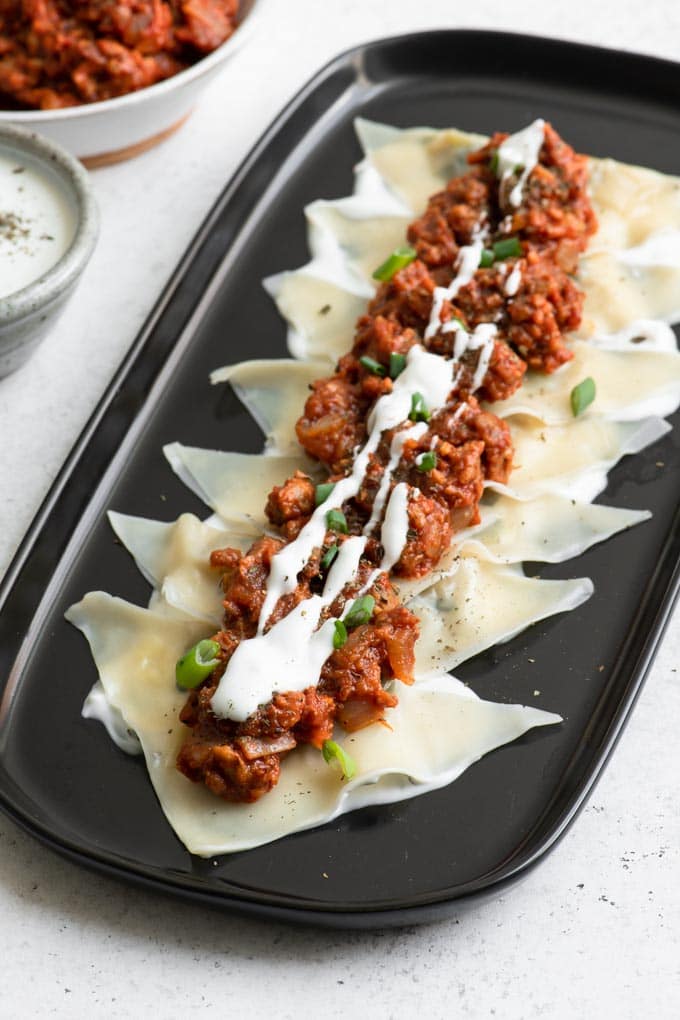 Hard
📜 Story
Hard
📜 Story
Ashak
Leek-Filled Dumplings
Special family dinners, Nowruz Medium
📜 Story
Medium
📜 Story
Aush
Afghan Noodle Soup
Winter meals, Nowruz, communal gatherings Easy
📜 Story
Easy
📜 Story
Bolani Kachaloo
Potato-Stuffed Flatbread
Ramadan iftar, snack, appetizer
Comments (1)
Log in to leave a comment.
Reminds me of my grandmother's cooking. Such a nostalgic flavor.