
A hearty soup brimming with hand-pulled noodles, kidney beans, chickpeas, and fresh herbs, crowned with tangy yogurt and fragrant dried mint. This beloved Afghan comfort dish is a complete meal in a single warming bowl.
Nutrition & Info
Allergen Warnings
Equipment Needed
Instructions
-
1
Make a firm dough from flour, water, and a pinch of salt. Knead for 8 minutes until smooth. Rest covered for 20 minutes.
-
2
Roll dough thin and cut into 5mm wide noodles by hand. Toss with a little flour to prevent sticking.
-
3
Brown ground beef with diced onion in a large pot. Add tomato paste, salt, and pepper. Cook for 5 minutes until the paste darkens.
-
4
Add 6 cups of water, kidney beans, and chickpeas. Bring to a boil and simmer for 15 minutes to build flavor in the broth.
-
5
Drop hand-cut noodles into the simmering broth. Cook for 8-10 minutes until noodles are tender. Add spinach, cilantro, and dill in the last 2 minutes.
-
6
Mix yogurt with minced garlic and salt. Ladle soup into bowls, top with garlic yogurt, and sprinkle generously with dried mint. Drizzle with a little oil.
Did You Know?
In Afghanistan, aush is traditionally served at charity events and Nowruz celebrations — large pots feed entire neighborhoods as an act of communal generosity.
Chef's Notes
Equipment Tips
- large pot
- rolling pin
- skillet
- ladle
The Story Behind Aush
Aush connects Afghanistan to the ancient Central Asian noodle-making tradition that stretches from China through the Silk Road to Persia. The word "aush" itself is related to the Persian "ash," the broad category of thick soups and stews. Afghan aush distinguishes itself through the combination of hand-pulled noodles, multiple legumes, and an abundance of fresh herbs that reflect the country's position at the intersection of culinary worlds. This hearty dish was historically communal food, prepared in enormous quantities for religious gatherings, Nowruz festivities, and charitable events.
More Afghan Dishes
 Easy
📜 Story
Easy
📜 Story
Afghan Salata
Afghan Fresh Salad
Every meal, always on the table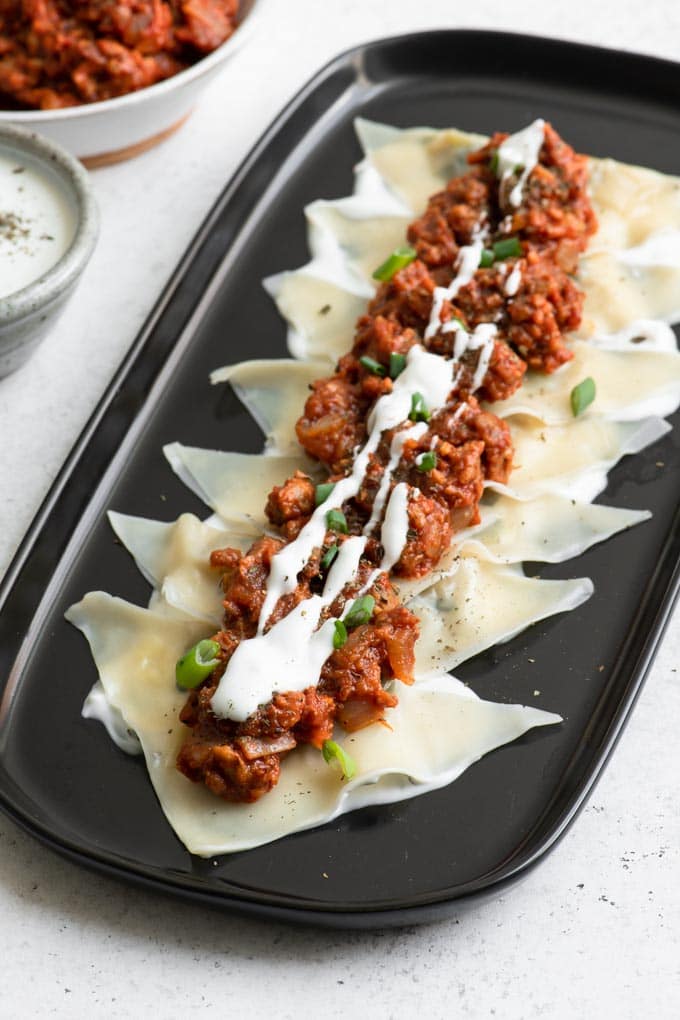 Hard
📜 Story
Hard
📜 Story
Ashak
Leek-Filled Dumplings
Special family dinners, Nowruz Easy
📜 Story
Easy
📜 Story
Bolani
Bolani
Ramadan iftar, Nowruz, snack or appetizer year-round Easy
📜 Story
Easy
📜 Story
Bolani Kachaloo
Potato-Stuffed Flatbread
Ramadan iftar, snack, appetizer
Comments (0)
Log in to leave a comment.
No comments yet. Be the first to share your thoughts!